
A partnership for Mozambique’s energy transition
September 14, 2024 Mozambique


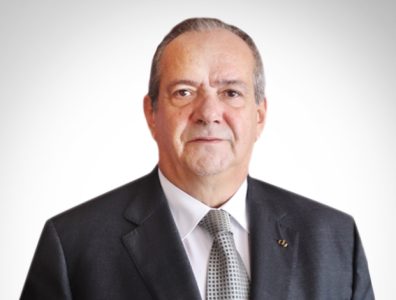
António Costa Moura, Portugal’s Ambassador to Mozambique, talks to The Energy Year about transferring know-how in renewable energy production and providing financial and technical support for Mozambique's development and energy transition plans. The Portuguese embassy in Maputo is the main office of Portugal’s diplomatic representation in Mozambique.
How can Portugal help Mozambique achieve its energy transition goals?
Portugal sees Mozambique’s ambitious energy transition strategy as a tremendous opportunity and pledges strong support. The country’s plan to harness its rich endowment of renewable resources aligns perfectly with Portugal’s expertise and interests.
The official document outlining the strategy emphasises the need for diverse funding sources, but of course building technical capacity is paramount. Portugal is especially well positioned in that context, being able to offer extensive know-how in renewable energy production and utilisation. With 61% of our electricity generation coming from renewables, Portugal has valuable experience to share, particularly in hydropower, solar and wind energy. There are collaborations already underway to enhance Mozambique’s hydroelectric production, grid capacity and solar and wind energy infrastructure.
Additionally, Portugal can assist in developing green industrial parks and clean energy corridors. Our collaboration extends to smart city initiatives, promoting decarbonisation of urban transport through cleaner energy sources. In all these areas, Portugal can be a leading partner in Mozambique’s energy transition journey.
Concerning funding sources, we have some mechanisms that can be relevant. Besides those at the bilateral co-operation level, there are financial instruments designed to stimulate investment projects, with energy and the environment being priority sectors. Such is the case of InvestimoZ, a EUR 93-million fund aimed at supporting private investment in Mozambique by Portuguese companies or by partnerships that include Portuguese companies.
What would you highlight about the commercial relationship that unites Portugal and Mozambique?
Portugal prioritises Mozambique in our development aid programmes. More than 35% of Portugal’s co-operation funds are directed towards the country. This commitment is further solidified by the recent strategic co-operation programme signed in 2021, which allocates nearly EUR 189 million in spending between 2022 and 2026.
Our relationship is further reinforced by the annual bilateral summits between Portugal and Mozambique, which bring together heads of government to discuss key issues. Additionally, the Mozambique-Portugal Business Forum which takes place alongside these summits fosters collaboration between Portuguese and Mozambican businesses.
During the latest summit in Maputo, 18 bilateral agreements were signed, including a EUR 400-million guarantee agreement with the African Development Bank to implement the Lusophone Development Compact, which has been designed to stimulate investment across Portuguese-speaking countries.
How do you envision co-operation efforts evolving in the future?
The four-year strategic co-operation programme between Portugal and Mozambique outlines plans across various sectors, but, in addition to providing development aid, Portugal emphasises its unwavering commitment to Mozambique’s stability and prosperity.
Portugal views its democratic journey as intertwined with Mozambique’s path to independence. With both countries reaching milestone anniversaries – Portugal’s 50th year of democracy and Mozambique’s 50th year of independence – it is time for reflection on the ways by which Portugal and Mozambique can strengthen their partnership and tackle future challenges together.
Portugal firmly believes that collaboration and knowledge-sharing bring mutual enrichment. We recognise Mozambique’s innovative spirit and unique approach to problem-solving, and we prioritise supporting Mozambique’s self-reliance while helping where needed, particularly in skill development. This critical area requires long-term investment, and the foundation for a skilled workforce is often laid in primary education, which is where we see a significant need in Mozambique.
How do you assess the situation in Cabo Delgado and do you expect the EU’s peacekeeping mission to continue?
We in Portugal reject a purely military approach to fighting terrorism. Terrorism is an asymmetrical challenge that requires a multifaceted strategy. Intelligence is key, and so is the empowerment of local forces. The EU plays a vital role in this fight, and we’ve been actively bringing international attention to the crisis in Cabo Delgado.
We acknowledge our historical responsibility towards Mozambique; the peaceful integration of the Mozambican community within Portugal is a testament to this. Security and defence co-operation, including the renewal and adaptation of the EUTM [European Union Training Mission] in Mozambique, remain a top priority for us.
Keeping the world focused on this issue is crucial. The EUTM has been instrumental in establishing Quick Reaction Forces, highly trained Mozambican units specifically designed to combat terrorism and provide security in the region. But it is equally important to build local capabilities, and that’s why we so vigorously commit to a tripartite approach based on the nexus of security, humanitarian support and development.
Portugal is mainly focused on the professional training component of the circular economy directly or indirectly linked to oil and gas and other sectors. We play a pivotal role in this matter, as we are the EU member state in charge of implementing the EU co-operation programme +Emprego, to promote professional training and employment opportunities for Cabo Delgado’s youth, not only in the LNG sector but in all areas of activity.
Read our latest insights on:
-
Project highlight: Mozambique LNG
PROJECT HIGHLIGHT -
-

Project highlight: Mozambique’s Central Térmica de Temane
PROJECT HIGHLIGHT
More content from Mozambique



Latest Reports


The Energy Year Oman 2026
The Energy Year Kuwait 2025
The Energy Year Angola 2025
The Energy Year Nigeria 2025
The Energy Year Saudi Arabia 2025
The Energy Year UAE 2025