

Boosting Mozambique’s offshore capabilities
October 30, 2024 Mozambique


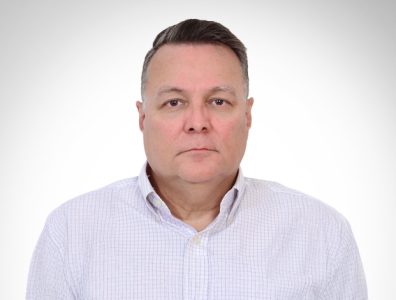
Andrew Brown, global director of LNG business and project development at Smit Lamnalco, and Peter Sedgwick, the company’s contract operations manager, talk to The Energy Year about Smit Lamnalco’s contributions to the Coral Sul FLNG project and their expectations for future LNG projects in Mozambique. Smit Lamnalco is an international marine support and towage services company specialising in offshore terminals.
Can you give us an overview of Smit Lamnalco’s involvement in the Coral Sul LNG project?
Peter SEDGWICK: In 2019, we won the contract to provide comprehensive marine services to Coral Sul FLNG. We are honoured to be a part of this pioneering project because it is one of the most advanced vessels of its kind globally and also holds the distinction of being the first ultra-deepwater FLNG project in Mozambique.
We constructed a fleet of vessels specifically designed to meet the project’s requirements that arrived on-site in early 2022. Since then, we have maintained an exceptional safety record, completing 51 ship-to-ship operations without incident. Our contribution extends beyond the vessels, however. Smit Lamnalco will also supply highly qualified marine pilots who will manoeuvre the LNG tankers to bring them alongside the FLNG unit. It is an intricate operation that demands advanced skills and expertise, and we are very proud to be in charge.
What is the significance of the Coral Sul FLNG project for the company?
PS: It’s our first operation in Mozambique, so for us, it’s huge. The vessels were built in Turkey under 10+5+5 contracts, so our engagement with the Coral Sul FLNG project is potentially for 20 years. It represents a substantial commitment.
Beyond operational and commercial aspects, this endeavour also presents a learning and investment opportunity. There was no specialised seafaring sector here when we arrived, and we committed to developing a local workforce. We have made significant investments in staff and services, providing 70 local seafarers with STCW [Standards of Training, Certification, and Watchkeeping] training. We are now the largest employer of STCW-approved seafarers in the country, another source of pride for us.
How does Smit Lamnalco maintain consistent safety and operational standards?
PS: As an international group operating in over 30 countries, we adhere to all international safety standards, including the OVMSA [Offshore Vessel Management and Self-Assessment] programme and the ISM [International Safety Management] Code. These standards are meticulously followed across our global operations.
Andrew BROWN: We ensure the presence of on-site expertise to oversee proper application. All our offshore managers – including captains, chief engineers and pilots – have worked with us for several years and are familiar with our high standards and expectations. They ensure that all onboard crews are educated on our guidelines and adhere to them, with a particular focus on local content.
What do you expect from future gas projects in Mozambique?
AB: Industry forecasters predict a significant supply deficit in gas markets until around 2050. Mozambique has immense potential to contribute, with estimates suggesting that annual production from onshore and offshore sources can reach roughly 60 million tonnes of LNG. However, achieving this level of production will require collaboration among several entities and the involvement of major international players.
Current plans point to the development of another FLNG operation within the next 10-15 years, potentially followed by a large onshore liquefaction unit modelled after successful projects such as those in Qatar. This model typically involves a primary operator who manages the terminal and various companies who own and operate individual processing trains within the facility.
PS: In the interim, Smit Lamnalco will continue working with its clients across various projects and will keep developing local expertise and resources to ensure that the company is well positioned when tenders are issued. The nature of the LNG industry dictates a project-specific approach because each project requires a unique set of marine services due to variations in overall design, vessel layout and tugboat requirements.
Standardisation across projects is simply not possible. We need a clear understanding of the specifics to leverage our expertise and tailor our services to deliver the optimal solution. This is precisely why the vessels for the Coral FLNG project were purpose-built.
Read our latest insights on:
-
Project highlight: Mozambique LNG
PROJECT HIGHLIGHT -
-

Project highlight: Mozambique’s Central Térmica de Temane
PROJECT HIGHLIGHT
More content from Mozambique



Latest Reports


The Energy Year Oman 2026
The Energy Year Kuwait 2025
The Energy Year Angola 2025
The Energy Year Nigeria 2025
The Energy Year Saudi Arabia 2025
The Energy Year UAE 2025