
A low-code approach to high-performance software
August 31, 2024 Kuwait


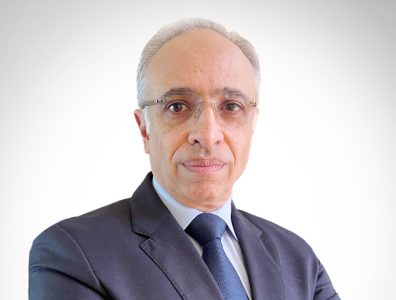
Magd Donia, general manager of Kuwait Application Service Provider (KASP), talks to The Energy Year about how effective data management systems can help improve the operational efficiency of Kuwaiti businesses. KASP provides IT services across sectors such as financial services, government, transportation, oilfield services and construction.
What is your strategy for strengthening KASP’s business operations?
KASP is part of BoodaiCorp and we have been developing custom software – for example, warehouse management systems – for about 25 years for most of the Group’s companies, which range from airlines to public transportation to construction of heavy equipment. At first, we used programming languages, but that took a long time and the software was difficult to maintain. That is why we decided to adopt low-code systems in 2020.
In a traditional environment, developers manually write lines of code to produce software, resulting in high development costs and, often, different frontends. With a low-code approach, developers use a model-driven, visual language with a drag-and-drop graphical interface that enables them to create applications with minimal hand coding.
We implemented this development approach in partnership with Mendix, one of the fastest and easiest low-code platforms to develop mobile and web apps at scale. We picked them because it is a top-rated system and, most importantly, it is part of Siemens. When you build dependency on an application development system, you need to know that it is going to be there for many years. We are highly dependent on this system and our customers – banks, first and foremost – are very conservative institutions that demand top reliability and accountability from the infrastructure we provide.
At the moment we are developing applications for several customers, including our travel agency sister company, for whom we are building a more sophisticated version of Expedia, setting up a centralised management unit where it will be possible to specify which features are available in what version of the system. It will come on line in Q2 2024 and it is intended for the general public as well as corporate customers.
How can the company meet the demands of oil and gas players looking for digital solutions?
Oil companies want to optimise their processes and for that they will have to rely on custom solutions, something which we believe Mendix can help with. We can build custom solutions very quickly and reliably, and then they can take ownership and train their IT staff to handle the system without being dependent on us.
It is time for us to move out of our comfort zone, and oil and gas is one of the sectors at the top of our target list. We are gearing up our human capital by creating a sales workforce that can open doors for us, and we are confident that we can help the domestic hydrocarbons sector conduct its business.
Can you provide some concrete examples of the benefits that automated data collection and model forecasting can bring?
Although ERP systems can handle most types of data across multiple sectors, many tasks are not yet being monitored and cannot be captured. An example is supplier and customer invoices. These are typically entered into systems manually, which is slow and prone to error. Our aim is to improve the way companies conduct their businesses and, to do so, we need to see how they are using their systems, understand their weaknesses and then approach them with an open mind to come up with creative solutions.
As an example, KASP carried out a project for a major regulatory agency to develop a forecasting model based on machine learning. Prior to its implementation, the process of collecting and assessing data was highly time-consuming and had an 82% forecasting accuracy level at best.
The main barrier was that the model had more than 200 parameters, each weighted according to certain conditions. Our goal was to shorten the prediction cycle, and in February 2021 we deployed a model that gathered data automatically and increased forecasting accuracy to 99%. It has never gone below that since then. We have a solid business collaboration with Kuwaiti banks and have built most of their reporting and analysis systems.
What is your overall assessment of Kuwait’s digital sector and what are your plans to capitalise on the opportunities that emerge?
Many developments are going on at the moment. Just to mention a few, SAP recently announced an expanded partnership with Google Cloud Platform to help enterprises harness the power of data and generative AI, and in 2023 the government signed a USD 900-million, seven-year agreement with Google Cloud Platform that will allow the country to benefit from innovative technologies for digital transformation, which is one of the most important priorities for the coming years.
In terms of plans, we are focusing on industries that have complex business models, like oil and gas and finance. One of the characteristics that these two sectors have in common is that they do not have single, centralised systems that manage their operations, but multiple ones that need to communicate with each other and that often present important gaps. To tackle them, we can either provide companies with ERP systems or develop tailor-made tools that suit specific business needs. Many different activities do not fully fit into the scope of ERP systems and, besides, most of them are moving into the SaaS model, meaning that businesses might be restricted in terms of how they can customise these systems. Businesses will either have to adapt, which is not always cost-effective, or they will have to deploy more targeted tools to fill those gaps.
Read our latest insights on:
More content from Kuwait






Latest Reports


The Energy Year Oman 2026
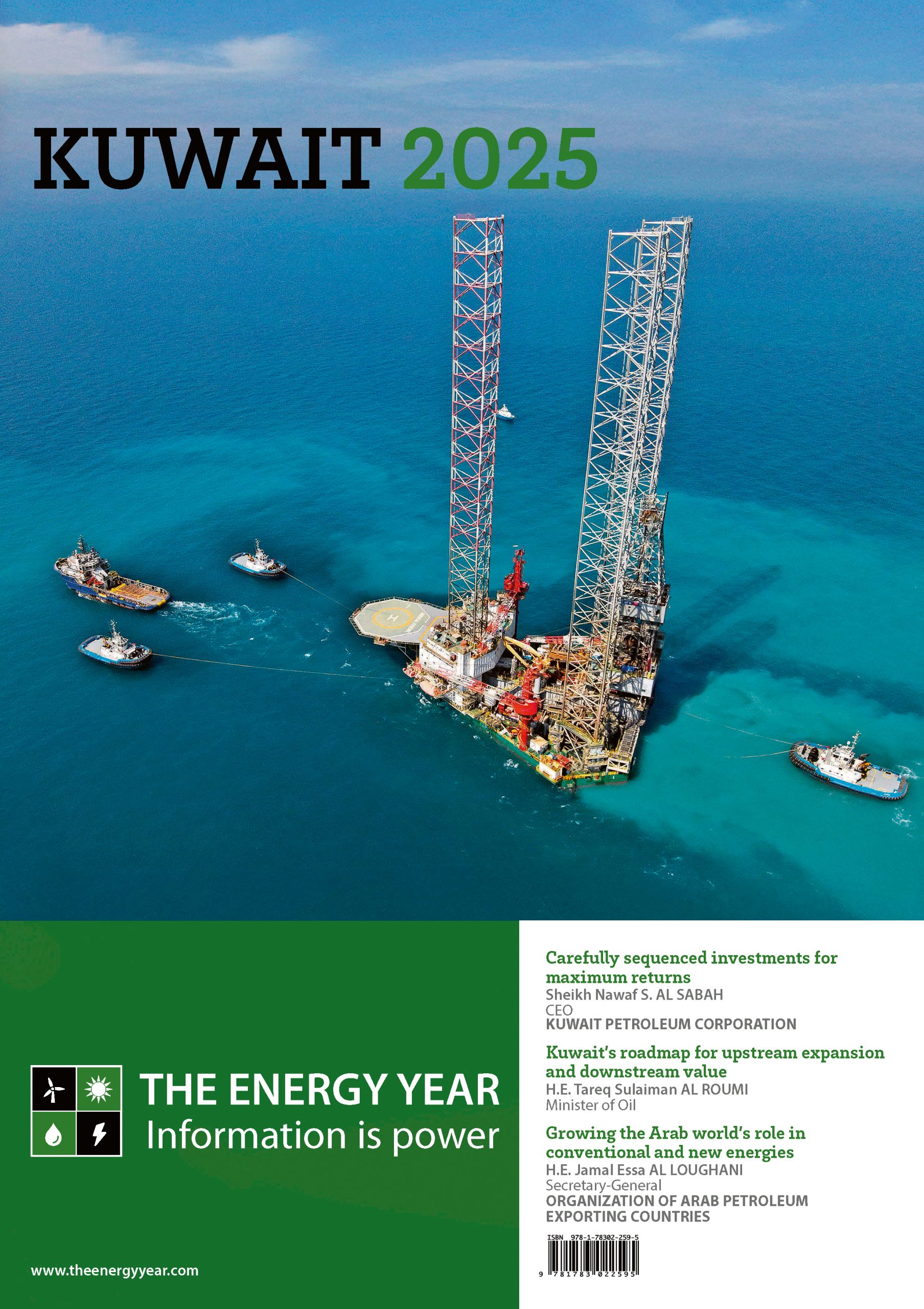
The Energy Year Kuwait 2025
The Energy Year Angola 2025
The Energy Year Nigeria 2025
The Energy Year Saudi Arabia 2025
The Energy Year UAE 2025