
Paving the way for Mozambique’s LNG transformation
November 7, 2024 Mozambique


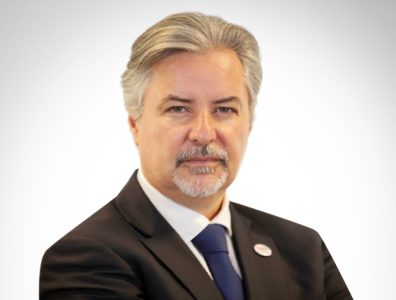
Maxime Rabilloud, managing director and country chair for TotalEnergies E&P Mozambique Area 1, talks to The Energy Year about how the Mozambique LNG project will develop natural gas resources in northern Mozambique and contribute to the growth of Cabo Delgado province and the country. TotalEnergies E&P Mozambique LNG is a wholly owned subsidiary of TotalEnergies that has 26.5% ownership of the Mozambique LNG project in Cabo Delgado.
This interview is featured in The Energy Year Mozambique 2024
What updates can you provide from TotalEnergies’ LNG business in Mozambique?
Mozambique has one of the world’s largest and purest natural gas reserves, and its location in East Africa provides access to both the Atlantic and Pacific markets. This natural advantage allows for a highly efficient and low-emissions development. Mozambique LNG is using the latest technology to ensure the development will be world-class in terms of its CO2 footprint.
Mozambique LNG paused the project in March 2021 due to the security situation. However, the improvement in the security situation and the conclusion of a framework agreement with the contractors to resume the project when the force majeure is resolved allows preservation and remedial works to be conducted prior to a restart decision.
These works include engineering and limited work at the site associated with remedial work, site preparation and security infrastructure. It should be noted that at the time the project was stopped, engineering and procurement were significantly advanced, and this progress has helped protect the project from the price escalation that has been observed in the market.
An LNG project of the scale contemplated by Mozambique LNG involves enormous commitments by the project owners, the lenders, the construction contractors and the LNG buyers. Despite the security challenges, all the major stakeholders remain committed given the improvement in the security situation and are hopeful of a full restart in the near term.
The project is a major opportunity for Mozambique to become a global energy player and a successful completion of this mega-project will be a strong signal that Mozambique is open for business and a viable destination for investment.
What contributions has the company made to improve the situation in Cabo Delgado while the project has been waiting to resume?
We recognise that socioeconomic development is an important component of any solution that addresses the security issue. Over the past two years, to contribute to the economic stabilisation of the communities in northern Cabo Delgado, the project has developed comprehensive socioeconomic initiatives aimed at generating revenues for the communities, developing the local economy, preserving biodiversity and promoting human rights.
We’ve created 8,000 jobs, benefiting around 40,000 people in Palma and Mocímboa da Praia. We’ve evolved from providing basic humanitarian aid to supporting local businesses, fishermen and farmers. As an example, we’ve built a cashew nut factory and helped farmers get back to work. This creates an ecosystem for future initiatives where Mozambique LNG can be the off-taker for local products.
We aim for 10,000 non-oil and gas jobs by 2025 and 25,000 by 2030. Combined with the 7,000 jobs from the oil and gas sector, this makes a significant impact. We’re transitioning from temporary jobs to sustainable employment and strengthening the local economy. We’ve also greatly improved the situation with the community impacted by our project, building new housing and community infrastructure and taking great care to ensure their long-term economic viability.
How would you describe Mozambique’s potential as an energy player?
Mozambique, due to its geographical position, is a very interesting country, as it’s an entry point to Central and Southern Africa. Logistics and energy often flow from Mozambique to the interior and vice versa for exports.
Mozambique has a crucial geographical location for this. The country started trading with Asia and the Middle East in the 12th century. This commercial spirit is deeply ingrained in Mozambican culture. Mozambicans are adept negotiators and open to business, which is a significant strength. They aren’t afraid to partner with foreign investors to create mutually beneficial projects.
The country has shown remarkable agility, especially in the oil and gas sector. Despite the scale of the resources in the Rovuma Basin, Mozambique swiftly adapted its regulatory framework to accommodate massive investments. This happened before TotalEnergies’ involvement, which highlights the country’s strengthening business environment. There’s a clear commitment to upholding the rule of law and contracts, which are crucial factors for long-term investors. This is critical for any country to attract foreign investment. We believe Mozambique LNG will play an important role in the energy transition and therefore be a key enabler for countries to meet their climate change targets.
What is the importance of Mozambique within TotalEnergies’ African and worldwide portfolio?
In Mozambique, we have a diverse range of activities, including LNG, power generation, gasoline distribution and a growing renewable business with both solar and hydropower projects. These renewable projects include the 41-MW solar plant in Metoro, Cabo Delgado, and our participation in the Mphanda Nkuwa Hydropower Project.
Mozambique LNG has significant energy needs and can provide an anchoring off-taker for renewable energy projects, which adds to the compelling environmental credentials of Mozambique LNG. These are not just ambitions; we have projects under way such as a solar power plant for our construction camp, and we are also collaborating with local farmers to produce biodiesel, which will benefit 2,000 families and have a meaningful socioeconomic impact while reducing diesel imports and emissions.
Where else do you see potential for involvement in renewables?
Mozambique has a great potential for solar energy, especially in mid-sized farms around 30-40 MW, such as Dondo and Metoro. This is an efficient way to decentralise energy, and Mozambique’s abundant sunshine supports this.
Hydropower is another strong point, with the Zambezi River basin holding massive generation potential. We’re interested in efficient investments with minimal environmental impact. New projects include Mphanda Nkuwa, which requires a relatively small reservoir for its 1.5 GW of capacity.
What can TotalEnergies contribute to renewable generation projects such as Mphanda Nkuwa?
We are recognised for our ability to develop mega-projects, and as such, we bring significant value to our partnership with EDF and Sumitomo. Our strength lies in managing large-scale, complex projects and delivering them on time and within budget. This core competency, along with our experience in the energy industry, is directly transferable to the challenges of hydropower development.
Beyond project management, we have expertise in environmental management and community engagement. We have a proven track record of implementing high standards in these areas, minimising environmental consequences and maximising positive outcomes for local communities. This experience is invaluable in a sector where careful planning and execution are keys.
By combining our strengths with those of our partners, we can create a formidable team capable of delivering successful hydropower projects that generate clean energy while respecting the environment and local communities.
Can you provide an update regarding the Dondo 40-MW solar project?
The Dondo solar project won’t be completed in 2024, as construction hasn’t started. Global economic changes have impacted the project, particularly increased financing costs. We’re working with the government to find a mutually beneficial solution. Dondo’s central location in Mozambique makes it a relevant project and demonstrates our commitment to the country. It’s a well-sized project and is ideally located near substations, minimising infrastructure needs.
We’re nearing project sanction for Dondo, with some adjustments due to the new economic climate. We aim to start construction as soon as possible. We are quite satisfied with our partnership with EDM [Electricidade de Moçambique]. EDM understands the importance of profitability and the obvious link with sustainability.
Is TotalEnergies involved in the biofuel segment in Mozambique?
We are considering a biofuel project in northern Mozambique using coconut oil. Coconut trees are native to Cabo Delgado and local farmers have been cultivating them for decades. Coconut trees provide shade for crops and improve water retention. We’re training farmers in irrigation and agricultural practices to increase their productivity in both coconut production and food crops. This dual-crop approach enhances their income through both subsistence farming and coconut sales.
We are studying the possibility of establishing a co-operative to purchase coconuts and produce biodiesel for our project. This would create a guaranteed market for farmers and initiate a domestic biofuel industry. Currently, Mozambique imports biofuel feedstock for refining elsewhere.
What is the company’s footprint in the country’s fuel distribution market?
We have a long-standing presence in the Mozambican fuel distribution market, operating a network of approximately 86 petrol stations nationwide. Our strategy centres on profitable growth, despite increasing market competition. By expanding our reach to include new locations in key cities such as Maputo, Matola, Beira and Nacala, we aim to strengthen our market position and better serve our customers.
Beyond domestic distribution, our network positions us strategically for potential import and export activities. Mozambique’s geographic location makes it a crucial transit point for fuel destined for countries such as Zimbabwe and Zambia. By investing in storage facilities, we can capitalise on this opportunity and thereby contribute to the country’s role in the regional energy supply.
Ultimately, our goal is sustainable growth that benefits both our company and our customers. By expanding our network and optimising our operations, we aim to maintain our position as a leading player in the Mozambican fuel market while contributing to the country’s energy landscape.
Read our latest insights on:
-
Project highlight: Mozambique LNG
PROJECT HIGHLIGHT -
-
Project highlight: Mozambique’s Central Térmica de Temane
PROJECT HIGHLIGHT
More content from Mozambique

Latest Reports


The Energy Year Oman 2026
The Energy Year Kuwait 2025
The Energy Year Angola 2025
The Energy Year Nigeria 2025
The Energy Year Saudi Arabia 2025
The Energy Year UAE 2025