
Towards an adaptable and resilient GCC grid
April 30, 2025 UAE
UAE 


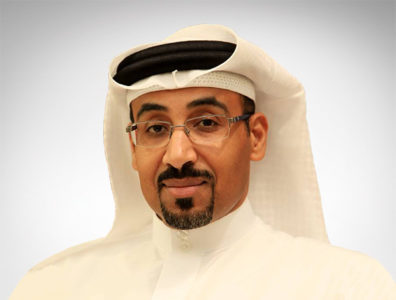
Ahmed Ali Al Ebrahim, CEO of GCC Interconnection Authority (GCCIA), talks to The Energy Year about incorporating electricity from renewable sources into the regional grid and investing in infrastructure to position the GCC as an exporter of green energy. Based in Saudi Arabia, GCCIA is the entity charged with interlinking the power grids of GCC countries and creating a regional power exchange.
How has the GCC interconnected grid sought to incorporate Renewable Energy?
The GCC countries are aiming to produce nearly 66 GW of renewable energy by 2030, up from the current roughly 8 GW capacity. Therefore, to achieve this goal, we need a comprehensive reform of our systems and network infrastructure. This will ensure that we are ready to meet the demands of a rapidly changing energy landscape.
The interconnection of electricity in the GCC’s power grids is fundamental for this transition. It provides a valuable opportunity to decarbonise the electricity system as it enables GCC countries to harness and share large amounts of renewable energy across member states. The GCC region is well-positioned to establish itself as a hub for clean and cost-effective energy due to its abundant renewable resources and potential for lower energy costs. This will allow it to export power to neighbouring regions through the interconnected grid.
A critical enabler of this shift will be the integration of energy storage systems. These solutions will allow for the efficient use of renewable energy, particularly during periods of low demand, ensuring grid stability and reliability. By creating a more flexible grid, the GCC interconnected system expects to support an effective integration of renewable energy, enhancing system stability and resilience.
Looking ahead to 2030, the plans to develop large renewable energy facilities across the GCC will significantly bolster the region’s clean energy capacity. At GCCIA, we are committed to supporting this GCC vision by fostering a collaborative and interconnected energy ecosystem that will help unlock the full potential of renewable energy while maintaining a stable and efficient power grid.
How is GCCIA helping evolve the Gulf electric energy market?
Since the inception of the Gulf Electricity Interconnection Project in 2009, we have achieved economic savings of approximately USD 3.6 billion for member countries, with an average annual saving of USD 256 million. These savings, which exceed the cumulative capital and operational costs of the project, underscore the efficiency and value of regional interconnectivity. By reducing the need for new generation stations, we have lowered operating and maintenance costs while significantly reducing carbon emissions – a critical step toward achieving the GCC’s net-zero and sustainable development goals.
Looking to the future, we are committed to developing a robust Gulf electric energy market in line with global standards. Our efforts include enhancing the energy trading platform, officially launched in 2021, which has already increased energy exchanges among member states by more than 20%. We also recently inaugurated the bilateral contracts platform for energy trading, further streamlining transactions and bolstering regional cooperation.
We are also investing in the development of a spot market for electricity trading, a key component in optimising energy exchange and achieving potential savings of up to USD 24 billion by 2038. By leveraging advanced systems and collaborative planning, GCCIA wants to ensure that the grid remains adaptable, interconnected, and resilient.
What role does storage play in GCCIA’s strategy?
Energy storage is key in GCCIA’s strategy to support the Gulf region’s energy transition and to ensure the reliability and sustainability of the interconnected grid. The intermittency of renewable energy sources such as solar and wind presents certain challenges for maintaining a consistent and stable energy supply. Energy storage technologies could address these interruptions and offer solutions for both short-term and long-term needs.
Short-duration storage, typically involving batteries with 4-6 hours of capacity, enhances system flexibility. It allows energy to be stored during periods of low demand and dispatched when demand peaks or when renewable generation fluctuates. This ensures a more stable and efficient grid operation, increasing confidence in the reliability of electricity supply.
For long-duration storage, hydrogen is emerging as a promising solution. Currently, gas turbines play a significant role in long-term energy storage, but integrating hydrogen storage could further decarbonise the system while providing the capacity to store and utilise large amounts of renewable energy. This supports the broader goal of transitioning away from fossil fuels.
Energy storage can also act as a critical backup during unexpected outages, providing power to maintain grid stability and prevent disruptions. By leveraging energy storage technologies, GCCIA will be able to effectively support the decarbonisation of the regional electricity system.
How will AI shape GCCIA’s future operations?
The growth of AI in the energy sector has been exponential, and this presents both opportunities and challenges. As the grid becomes more complex, integrating AI systems into existing infrastructure – particularly older systems – poses a considerable challenge. Additionally, ensuring cybersecurity is critical to safeguarding our increasingly interconnected system.
However, the benefits are exponential. I am convinced that AI will play a crucial role in not only improving the operational and management efficiency of the grid but also in enhancing its ability to respond dynamically to changing conditions, including demand response and predictive maintenance.
What are your main priorities in GCCIA’s expansion plan?
We have three major projects currently underway to expand the grid, including interconnections between Kuwait, the UAE and Oman, with a total investment of USD 1.2 billion. We expect these projects to be completed before 2027.
Another big priority for us is the development of the interconnection with Iraq, a USD 330-million project that will provide 500 MW of electricity via new transmission lines between Kuwait and Iraq. We expect the project to be operational by H2 2025. This will enhance energy reliability and trade in the region and support the energy needs of southern Iraq.
Additionally, our long-term goal is to create electricity highways extending to other regions, especially Europe, which will enable the exchange of surplus energy during seasonal peaks – winter in Europe and summer in the GCC. These interconnections will position our region as a key exporter of stable, green energy. Moreover, studies for additional connections and grid expansions are already in progress to establish a Pan-Arab electricity market in the short-term future.
Read our latest insights on:
-

How the UAE is building its future
INTERVIEW -

-

More content from UAE

Latest Reports


The Energy Year Oman 2026
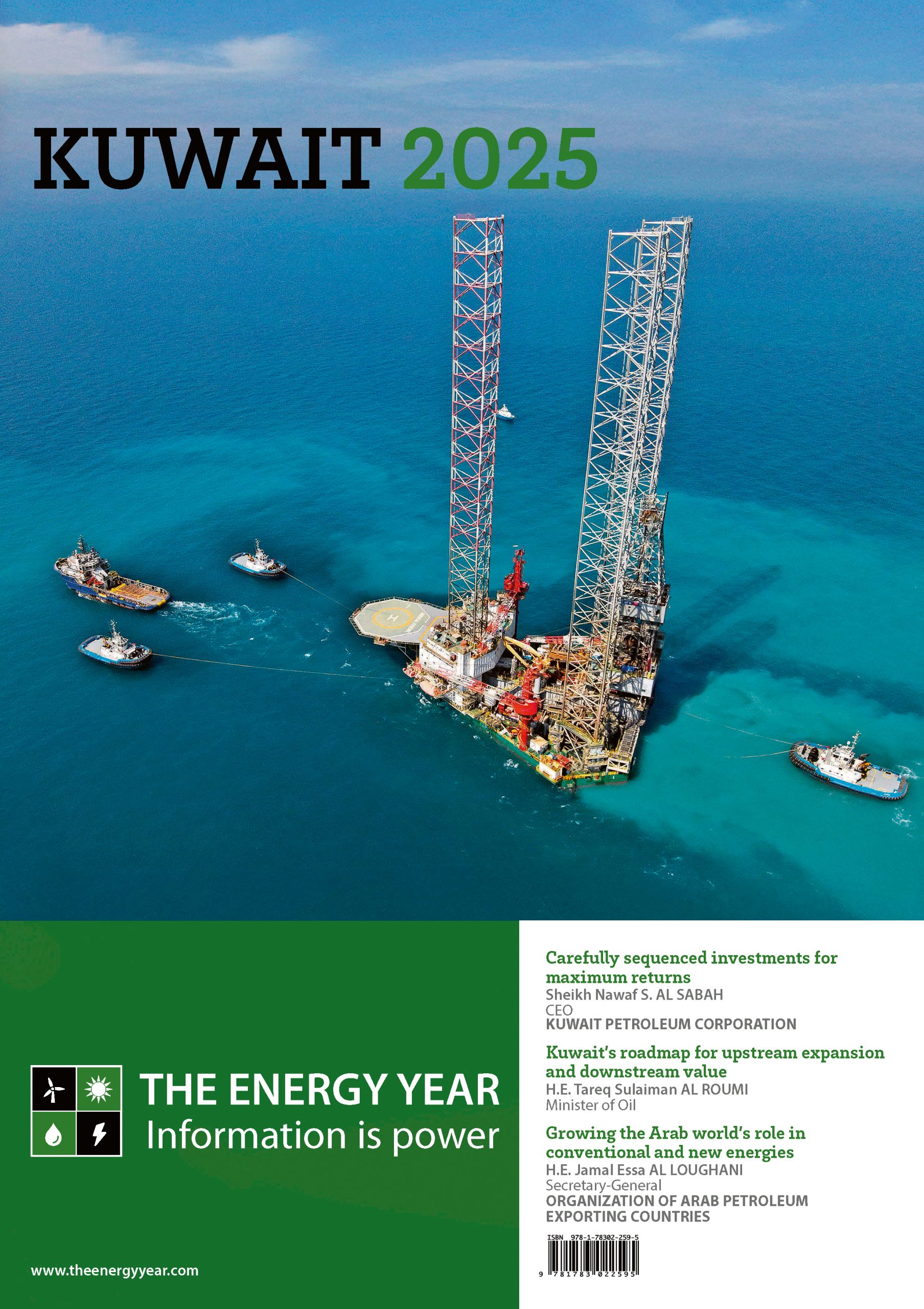
The Energy Year Kuwait 2025
The Energy Year Angola 2025
The Energy Year Nigeria 2025
The Energy Year Saudi Arabia 2025
The Energy Year UAE 2025