
At the core of Kuwait’s power generation and transmission
August 21, 2025 Kuwait


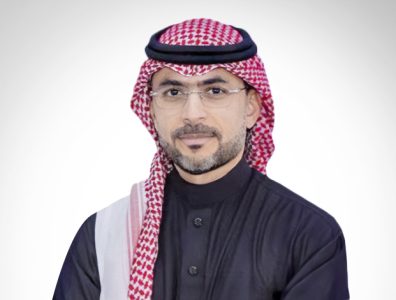
Rayan Mourcy, managing director of Siemens Energy Kuwait, talks to The Energy Year about optimising the efficiency of Kuwait's new and existing power infrastructure and the recently launched Siemens Energy Tooling Center. Siemens Energy is a global provider of power generation, transmission and distribution technologies and equipment.
What is your outlook on Kuwait’s energy industry, and what are the most promising areas for growth and innovation?
I do not doubt that Kuwait’s energy industry is poised for robust growth. The country is pursuing ambitious goals and working to establish itself as a global financial and trade hub. Kuwait Vision 2035 shows our country’s commitment to developing non-oil sectors, investing in workforce development to drive Kuwaitisation, reinforcing infrastructure and building a sustainable and diversified economy.
This vision will drive massive efforts to strengthen the grid. The country aims to add 17.35 GW of new power capacity by 2030 and is actively participating in the Gulf Electricity Interconnection Expansion Project. There is enormous potential for building a resilient energy mix in Kuwait, backed by advanced digital technologies.
Furthermore, there is strong potential for upgrading existing power plants with high-efficiency gas turbines and combined-cycle solutions supported by Kuwait’s recent 15-year LNG purchase agreement with Qatar. I also see room for the expansion of CCUS technologies, improving energy efficiency and accelerating decarbonisation.
Can you provide insights into Siemens Energy’s footprint and the company’s most important projects in Kuwait?
Siemens Energy delivers advanced technologies, infrastructure solutions and technical expertise to support Kuwait’s energy transition. Our valuable partners include the MEWRE, KNPC, KOC, KIPIC [Kuwait Integrated Petroleum Industries Company], as well as top private companies.
Our technologies, machinery and equipment contribute nearly 22% of Kuwait’s power generation and represent approximately 70% of power transmission infrastructure. We play a vital role in the supply, installation and upgrading of high-voltage substations, helping to expand and digitalise the national grid.
We modernise power plants to enhance their energy efficiency and operational resilience. Siemens Energy has supplied advanced gas turbines to the Sabiya power plant and delivered critical components, and we continue to provide long-term service support to the Az Zour South power plant. We also leverage the Siemens Energy Tooling Center Kuwait to maintain energy facilities.
What is your outlook on the challenges Kuwait faces in reaching 30% renewable energy by 2030?
Kuwait’s renewable energy targets are ambitious. With energy demand expected to triple by 2030, a holistic approach is essential to securing a sustainable energy future.
Public-private co-operation will be critical to prepare the grid for renewables integration, and to modernise transmission and distribution infrastructure with energy storage and CCPPs [combined-cycle power plants] to handle intermittent renewable generation. Given Kuwait’s heavy reliance on fossil fuels, the rapid deployment of clean energy projects is essential to accelerate the energy transition. An example is the Shagaya Wind Farm, where Siemens Gamesa turbines have been operational since 2019, powering 7,000 households.
What is the significance of the Siemens Energy Tooling Center, inaugurated in Kuwait in January 2025?
Our centre is a strategic asset, not only for Siemens Energy but for the region’s energy industry. It is fully equipped to deliver high-quality maintenance services for gas turbines, generators and steam turbines, enhancing operational efficiency and minimising downtime for customers.
Equally important is the centre’s role in advancing Kuwaitisation. We are training nationals to operate and maintain complex energy systems, including those in oil and gas, reflecting our commitment to building domestic capabilities. These skilled professionals are being prepared to support both domestic and regional projects. This centre reflects Siemens Energy’s deep commitment to building local capabilities and supporting Kuwait’s energy transition through innovation, expertise and strong partnerships.
What impact will AI have on Kuwait’s energy landscape, and can Siemens Energy help meet the resulting rise in power demand?
AI has the potential to be a powerful enabler, but the rise of data services will place greater demands on Kuwait’s energy system. Meeting this challenge will require a balanced and reliable energy mix that combines the flexibility of natural gas with the sustainability of renewables. Siemens Energy can support this shift with technologies for high-efficiency gas-fired generation and the integration of renewables into the grid.
Kuwait is not only engaging with global technology leaders on AI but also fostering regional collaboration, such as through the MoU signed between Kuwait’s Association of Artificial Intelligence of Things and Saudi Arabia’s Artificial Intelligence Governance Association. It seeks to advance AI governance standards, promote knowledge exchange and drive innovation.
What are Siemens Energy’s strategic priorities in Kuwait over the next two years, and how do you envision growing the company’s participation in the country’s energy and infrastructure sectors?
Our focus in Kuwait is on enabling a sustainable, reliable and digital-ready energy industry. We are supporting Kuwait’s energy transition by participating in major national power projects and increasing the efficiency of ageing energy infrastructure, and by exploring the production of clean fuels such as hydrogen.
We aim to remain a trusted energy technology partner to Kuwait by supporting national development, enhancing energy resilience and contributing to the country’s economic growth. Strengthening our partnerships with our major stakeholders, the MEWRE and KPC, as well as EPC companies, will be key to driving innovation and building domestic capabilities to achieve these goals.
Read our latest insights on:
More content from Kuwait





Latest Reports


The Energy Year Oman 2026
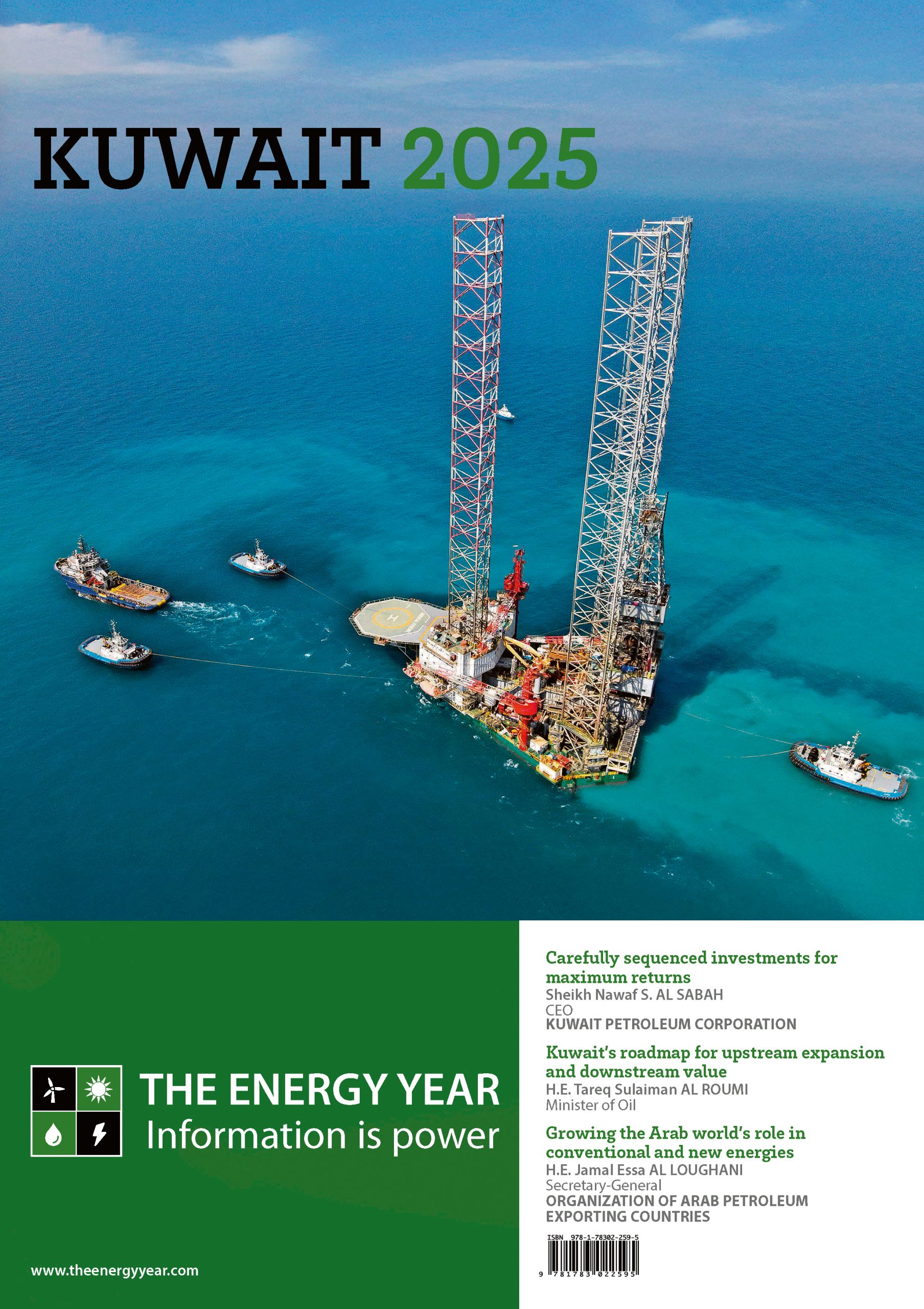
The Energy Year Kuwait 2025
The Energy Year Angola 2025
The Energy Year Nigeria 2025
The Energy Year Saudi Arabia 2025
The Energy Year UAE 2025