

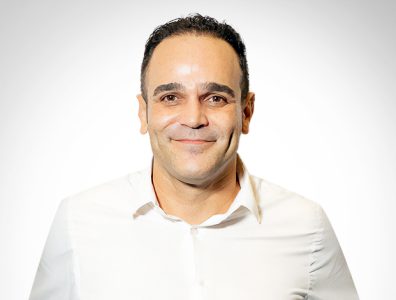
Angola’s logistics sector turns towards integrated solutions
September 24, 2025 Angola


Tiago Ferreira, country manager of Transportation & Logistic Consulting (TLC) Angola, talks to The Energy Year about the factors driving demand for the company’s services, the importance of new technologies for the company and the steps it is implementing to improve its operational capabilities and cost-effectiveness. TLC Angola provides oil and gas logistics.
What factors are driving the increased demand for TLC’s integrated services?
We have been experiencing an increase in the demand for integrated services for a while now. Integrated services are an added value to what we already provide for our customers. These are not new for us, but we’ve been experiencing increasing demand.
Normally, we operate as a freight forwarder, meaning we do transportation, Customs clearance and delivery to yards. Now our clients are requesting that we accommodate and keep track of the cargo on top of the other services.
TLC Angola is a mid-sized company, which makes creating tailormade tools for our clients, including integrated services, relatively easy. We can adapt to the clients’ needs by implementing new technologies.
One example is electronic document management (EDM), where we digitalise our records and have a records database. We started working on this in 2024, designing processes that could be integrated in our system. We have the ability to develop these types of tools in house. As of today, I don’t believe we have any competitors on our level that have the same quality of technology in Angola.
How important is it for TLC to implement new technologies?
It is of the utmost importance, and it is a part of our strategy to make the difference with our IT tools. Moreover, we focus on training our staff to operate these systems. We are committed to training Angolans at the management level, and we value the fact that we have some highly skilled people with 10-15 years’ experience in Angola.
The IT tools that we have developed internally include EDM, and we also have a special portal dedicated to personnel logistics, where our clients can request services – for example, visa issuance, hotel booking, transport, vessel embarkation and disembarkation, and offshore deployment. We gather all this information on a dedicated IT platform, and we have developed other tools for our own team.
What steps are you implementing to strengthen your operational capabilities and cost-effectiveness?
The model of TLC Angola has always been asset light, where we act principally as a consulting company rather than owning physical assets. However, now with the need to integrate many solutions for our clients, one of our aims for 2025 is to acquire our own assets.
We are working on purchasing trucks, land, yards and warehouses. We’ve been fully busy with that. The new Luanda International Airport started operating, and we have a couple of shipments coming in with chartered flights. We are planning on having our own facility near the international airport to better serve our clients.
The logistics industry is very dynamic, and one of our strategies requires our own assets. Otherwise, we will be unable to compete. Competition is extremely fierce nowadays, and we are always challenged when we compete for tenders. Aspects such as tracking and warehousing costs are especially competitive.
What strategies are you using to navigate the challenges and opportunities in Angola?
The Angolan market is increasingly competitive, and sometimes it is difficult to position ourselves on big projects. There are many competitors, many more than 15 years ago. It was a niche market, but now there is a constellation of competitors. At TLC Angola, we are aiming to do the best we can, provide the best service we can and be selected by the clients based on what we can deliver.
We have a very diversified portfolio within the oil and gas industry. We have a good reputation in the market, and TLC Angola is the fastest-growing branch in the TLC group. We have offices in Cabinda, Soyo and Lobito, and we provide services all along the coast of Angola.
Now we are in a position where we can ensure we have the right clients. At the end of the day, we’ve been here for more than 20 years. We can work with complex projects and deal with complex situations, and we do not have to ask permission from the board, whereas for larger companies, obtaining permission is a long and bureaucratic process.
We speak directly to the client; we make it easy for them. They want fast solutions when they are working on oil and gas operations.
How do you see your operations evolving as you expand into Namibia?
We have now entered the Namibian market by forming a partnership with a local company. The objective is to build our brand there with our expertise. Namibia must experience the same quality of service that we are providing in Angola. It’s a very politically stable country, and they are working now on the laws and incentives for companies to set up and develop their activities in the country.
Read our latest insights on:
-

-

Quality acquisitions over acreage
INTERVIEW -

More content from Angola



Latest Reports


The Energy Year Oman 2026
The Energy Year Kuwait 2025
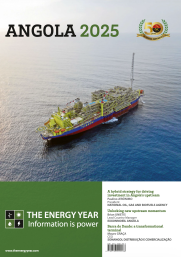
The Energy Year Angola 2025
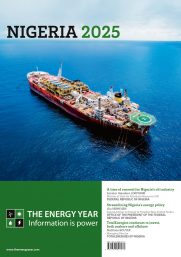
The Energy Year Nigeria 2025
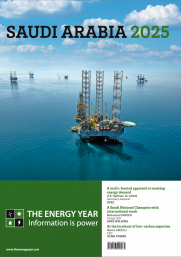
The Energy Year Saudi Arabia 2025
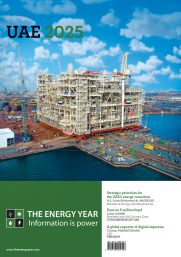
The Energy Year UAE 2025