
Equinor-BP Bay du Nord deal to bring $4.7 billion to Newfoundland
 Canada


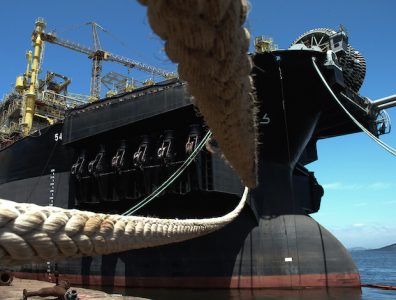
ST. JOHN'S, March 4, 2026 – Equinor and BP have reached a deal with the government of Canada’s Newfoundland and Labrador to move forward with the Bay du Nord offshore oil and gas project, expected to generate about USD 4.7 billion in government revenue in its first phase, the province said on Tuesday.
The agreement covers life-of-field benefits, royalties and an equity option for the province and marks the first new standalone offshore oil and gas development in Newfoundland and Labrador since Hebron as well as the province’s first deepwater project.
The deal establishes the province’s first life-of-field benefits agreement for an oil and gas project and is expected to generate over 31 million person-hours of work over 25 years, alongside commitments to fabricate a minimum of 95% of subsea components in Newfoundland and Labrador.
For the first time, the agreement also includes apprenticeship targets of 10% during construction and 15% for onshore operations, as well as a minimum of 1.9 million person-hours of professional work in project management, procurement management and engineering.
The partners will provide CAD 200 million (USD 146 million) in fabrication funding to support long-term trades employment and plans for a floating dry dock at Bull Arm weighing around 7,000-8,000 tonnes, alongside a CAD 100 million (USD 73 million) contribution to research and development.
“Newfoundland and Labrador is officially back in the oil and gas business,” premier Tony Wakeham said. “It guarantees new trades jobs for the entire duration of the project along with billions of dollars in new revenue for services here at home.”
Discovered in 2013, Bay du Nord has estimated recoverable resources of nearly 430 million barrels and is located approximately 500 kilometres offshore in the Flemish Pass Basin in water depths of about 1,200 metres. Project sanction is targeted for 2027 with first oil expected in 2031.
Newfoundland and Labrador has long relied on offshore hydrocarbons to support economic growth and government revenues in a province historically dependent on federal transfers and resource industries.
More content from Canada


Latest Reports



The Energy Year Oman 2026
The Energy Year Kuwait 2025

The Energy Year Angola 2025

The Energy Year Nigeria 2025

The Energy Year Saudi Arabia 2025

The Energy Year UAE 2025