
A capacity boost for Rovuma LNG
August 27, 2024 Mozambique


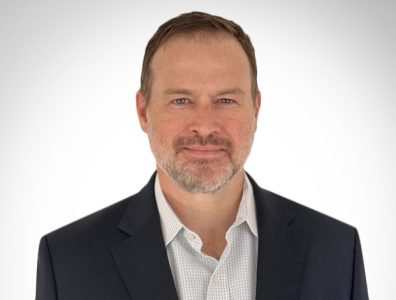
Arne Gibbs, general manager of ExxonMobil Moçambique, talks to The Energy Year about designing new liquefaction units for Rovuma LNG and collaborating with TotalEnergies in Cabo Delgado. ExxonMobil is an international energy company with a 25% indirect interest in Mozambique’s offshore Area 4.
This interview is featured in The Energy Year Mozambique 2024
What is the status of ExxonMobil’s FLNG operations in Mozambique?
We recently celebrated the shipment of our 50th cargo from the Coral Sul FLNG Project, an accomplishment that wouldn’t have been possible without our partner, Eni, who is the principal operator.
Coral Sul demonstrates Mozambique’s ability to deliver large-scale LNG projects and positions the country as a major player in the global LNG market. As a 25% partner, ExxonMobil is proud to contribute to this success story.
What progress is being made on the Rovuma LNG project and how did ExxonMobil overcome the problems in Cabo Delgado?
After force majeure was declared in April 2021, we recognised that we needed to adapt our design to the reality of the new security, operating and business environment to create the best opportunity to progress our project. Ultimately, we landed on a new liquefaction design that not only reduces our onsite footprint but is much more competitive, creates additional value, significantly reduces greenhouse gases and reduces execution risk.
We adopted a modular construction approach that contemplates building liquefaction units off-site for subsequent assembly on location, which reduces workforce and space requirements at the main site. With this new design, we have now increased capacity from 15 million tpy to 18 million tpy by incorporating 12 individual liquefaction modules of 1.5 million tpy each. This results in lower per-unit costs and a projected 50% increase in revenue for the Mozambican government compared to the previous design.
We have entered the FEED phase of Rovuma LNG targeting an FID in 2026. It’s important to note that most of this work is being conducted off-site and is not impacted by the ongoing force majeure.
ExxonMobil is committed to the Rovuma LNG project and our primary objective is to reach an FID by 2025. While security concerns are extremely important and challenges remain, we are optimistic about moving forward and hope we can resume operations on this significant project soon. We are continuously working to address these challenges in close collaboration with TotalEnergies and the Mozambican government.
How important is Mozambique in ExxonMobil’s portfolio and emissions reduction plans?
Our Rovuma LNG project is a very attractive asset in ExxonMobil’s portfolio – its location, size and competitiveness speak for themselves. Mozambican gas boasts a very low native CO2 content, which leads to superior emissions performance even with a standard LNG plant design, and our redesign pushes this performance even further.
Focusing on sustainability benefits all stakeholders. The facility has an on-site power plant, which allows future integration of renewable energy sources such as solar or hydro, further lowering emissions. While CCS wasn’t an initial feature, our new design is CCS-ready, which will enable the potential future installation of CCS capabilities without a major shutdown. A key aspect of our design is its flexibility to handle a variety of scenarios over 30 years of project life.
Can you comment on your experience working with the Mozambican government?
Our experience in Mozambique has been very positive. We view this venture as a true partnership, with a long-term commitment lasting decades. These partnerships evolve over time, and open communication is key. We’re pleased with the positive dialogue we’ve established with the Mozambican government, and the creation of a sovereign wealth fund is an encouraging development.
How does ExxonMobil promote the welfare of local communities and why is that important for the company?
Even during the toughest times, when security risks made it incredibly difficult to access the site, we never interrupted our social and community work in Cabo Delgado. Through the challenges, we did everything we could to support the communities we’re part of.
With Cabo Delgado now entering a reconstruction phase, we see ourselves as having a crucial role in helping the region rebuild. A stable community is essential for our project’s success, as our workforce lives there and relies on a safe and healthy environment. In a powerful symbol of regrowth, we’ve partnered with EDM, the national electricity company, to rebuild the electrical grid in Palma.
We are also supporting educational programmes and initiatives to improve access to clean water. Our commitment to Cabo Delgado goes beyond just business; we are invested in its future.
Read our latest insights on:
-

Project highlight: Mozambique LNG
PROJECT HIGHLIGHT -
-
Project highlight: Mozambique’s Central Térmica de Temane
PROJECT HIGHLIGHT
More content from Mozambique


Latest Reports


The Energy Year Oman 2026
The Energy Year Kuwait 2025
The Energy Year Angola 2025
The Energy Year Nigeria 2025
The Energy Year Saudi Arabia 2025
The Energy Year UAE 2025