
A local advocate for European investors
October 4, 2024 Mozambique


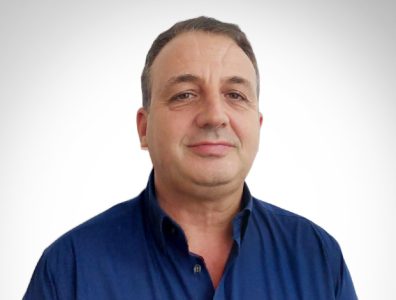
Simone Santi, president of Eurocam, talks to The Energy Year about fostering international partnerships to further Mozambique’s economic development and realise the country’s potential beyond extractive industries. Eurocam is a business association that represents EU interests in Mozambique for investment and trade opportunities.
What are Eurocam’s main activities and areas of interest in Mozambique?
Eurocam represents 11 countries as a bilateral agency and chamber of commerce. We work to protect, support and encourage European investment in Mozambique. Europeans are the largest investors in the country and we position ourselves as their voice, though we collaborate with other international investors as well and we have particularly good dialogue with the government on economic reform and investment promotion.
We also support local entities. Last year, together with APIEX, Mozambique’s Investment and Export Promotion Agency, and in collaboration with the Ministry of Industry and Commerce and the European Commission, we organised a Global Gateway event to promote energy transition and the electrification of the country. Energy, and specifically the energy transition, plays a key role in Eurocam activities. The event provided a forum for large energy companies, such as Eni, and local employers to discuss the issue.
How does Eurocam assess the current economic situation in Mozambique?
There’s huge potential in Mozambique; the country’s natural resources are not only minerals and gas, but also include tourism, agriculture and the environment. New projects are starting to gain traction, such as the Mphanda Nkuwa Hydropower Project, which is now underway with the support of two big European players, EDF and TotalEnergies. It is an important step towards improving the Mozambican economy and we are working to promote investments in transmission lines, which are key for the viability of the project.
It’s important to pay attention to how international investments impact the daily lives of Mozambicans, and we are optimistic that we can bring European companies to carry out EPC work, provide services or even implement social and agricultural projects that will have a big impact on the domestic market.
What are some factors that can make Mozambique attractive to European investors?
Abundant natural resources are a big draw for mining companies. We recently worked with Kenmare, an Irish company that operates the Moma Titanium Minerals Mine on the northeast coast of Mozambique, which is a good example of an attractive long-term investment.
Other sectors also have huge potential. Agriculture and infrastructure are attractive to European investors, and we shouldn’t forget tourism.
Cabo Delgado has received attention recently due to security issues. What future does Eurocam envision for the province and what are your expectations there?
Regarding the conflict that started in 2017, Eurocam still has an office in Cabo Delgado. The suspension of the Rovuma LNG project is a problem for business, of course, but TotalEnergies’ approach has been to channel investment into NGOs with social impact while on standby, providing tools and financial support to SMEs and promoting investments in transportation and infrastructure, as well as in renewables to help electrify the area.
The key issue is that you have to sustain the economy of Cabo Delgado and give people the chance to return there and stay. It’s a difficult game, but we are playing it together with resourceful companies such as TotalEnergies, Eni and Saipem. We are optimistic that the model is changing for the better.
This year, the Mozambique Energy and Industry Summit will be held in Cabo Delgado. I think that is quite relevant, as it shows that Cabo Delgado has not been abandoned, which is sometimes the perception around the world. We’re building factories, and people are starting to feel safe. It’s very important for this event to happen in Cabo Delgado.
What is Eurocam’s opinion of local content laws in terms of their impact on commercial activity?
Local content requirements, a cornerstone of Mozambican law, present a complex scenario. While the regulations undeniably push international companies towards collaborating with local partners, the potential drawback lies in inflated costs. Here we have a 27% interest rate compared to 4% in Europe but, more importantly, readily available expertise within the country is sometimes limited.
Given Mozambique’s current stage of industrial development, a more strategic approach might be better. Local content can be prioritised in areas where skilled Mozambican companies and labour exist while, for services requiring expertise that is not available locally, partnerships with international companies should be encouraged to foster knowledge transfer and long-term capacity building.
In addition, the strategy should identify crucial areas where a lack of local expertise necessitates the involvement of international companies. This balanced approach would bring the benefits that local content laws pursue while keeping efficacy a priority.
What is Eurocam’s view of Mozambique’s electrification goals?
Electrification is a highly ambitious undertaking on which we’re making significant progress. We have secured crucial investments, with the European Investment Bank playing a key role. The private sector is also actively engaged, with companies like Wärtsilä from Finland bringing cutting-edge technology to the project.
Mozambique has the potential to unlock clean electrification through biomass. Innovative technologies like pyrolytic cooking gas show promise. Companies are already investing, and a carbon credit framework can further incentivise sustainable solutions.
Europe is poised to be a major player in Mozambique’s renewable energy sector, particularly in off-grid solutions. To address electrification needs, we’ve established a consortium with key European and Mozambican companies, recently joined by Schneider Electric, to help bring technology into the country.
Effective leadership in this undertaking will take Mozambique’s unique needs into account while making the most of its strategic position as a resource-rich country and a natural hub for diverse activities in the region.
Read our latest insights on:
-

Project highlight: Mozambique LNG
PROJECT HIGHLIGHT -
-
Project highlight: Mozambique’s Central Térmica de Temane
PROJECT HIGHLIGHT
More content from Mozambique

Latest Reports


The Energy Year Oman 2026
The Energy Year Kuwait 2025
The Energy Year Angola 2025
The Energy Year Nigeria 2025
The Energy Year Saudi Arabia 2025
The Energy Year UAE 2025