

A major contributor to Mozambique’s electrification
July 23, 2024 Mozambique


Isália Dimene, chair of the board of directors of FUNAE, talks to The Energy Year about improving the supply of electricity in rural areas through the development of mini-grids and establishing partnerships with the private sector for long-term energy access. FUNAE is a public entity charged with financing and implementing energy projects that benefit Mozambique’s rural communities.
How does FUNAE contribute to Mozambique’s 2030 electrification targets?
FUNAE is responsible for Mozambique’s off-grid electrification strategy, which aims to achieve universal access by 2030. Our activities focus on two main areas, namely mini-grids and solar generation systems for households. We take the lead in developing and managing mini-grids to electrify administrative posts across the country, with 98 mini-grids built so far and more coming soon.
While household generation systems are supplied by the private sector, the government views them as an essential part of the plan and facilitates their development as far as possible, encouraging companies to participate in this open market.
What specific electrification projects has FUNAE been involved in so far?
In our off-grid electrification efforts, we have implemented 13 new mini-grids in the current five-year period (2020-2024), with capacities ranging between 100 and 200 kW and another 25 mini-grids will be implemented in the following years.
These projects are transforming lives across the country, for example by powering vaccine storage facilities and creating better conditions for childbirth. They also improve education outcomes by providing school children and working women with reliable lighting to read by and study in the evenings, in addition to facilitating the development of income-generating activities.
Despite Mozambique’s vast size and diverse landscapes, all of FUNAE’s mini-grids meet the national grid’s technical standards, which will ensure a seamless transition when the national grid expands into the areas where they are located. In essence, our mini-grids are built with future integration in mind, maximising their long-term value and efficiency.
What role can the private sector play in promoting electrification?
FUNAE collaborates with various partners and donors who support our efforts, as we recognise the vital role that the private sector can play in the achievement of our goals. To encourage greater private sector participation, the government has made provisions for off-grid networks to address concerns related to the long-term viability of mini-grids as the national grid grows.
As we continue to develop mini-grids, our vision is for the private sector to take over the assets in the future. Our role is to launch these projects and create the best conditions for long-term operation. We are in discussions with several private companies and are working on the timeline to launch official tenders. We have conducted successful pilots with mini-grids in Nampula, Inhambane and Gaza that demonstrate the viability of our approach.
We are targeting 850,000 new connections, and short-term collaborations with private investors will be the key to success. Following our general assessment and the definition of technical requirements, partners will be chosen depending on the specific capabilities required in different locations, and we will work with them throughout the lifecycle of projects. Being flexible will allow us to leverage the expertise of a diverse range of participants to achieve our electrification goals.
Does FUNAE have other projects that complement the development of mini-grids?
Bringing electricity to Mozambique’s diverse geographies and communities is a complex challenge. Affordability is another key concern, as many communities lack the financial resources for traditional grid connections, and we are testing tariff subsidies and different forms of infrastructure financing to address this issue.
Beyond electrification, we are also exploring solutions to improve access to clean fuels for cooking and lighting. A single solution doesn’t exist, and we are implementing location-specific models to maximise energy access.
Read our latest insights on:
-

Project highlight: Mozambique LNG
PROJECT HIGHLIGHT -

-
Project highlight: Mozambique’s Central Térmica de Temane
PROJECT HIGHLIGHT
More content from Mozambique



Latest Reports


The Energy Year Oman 2026
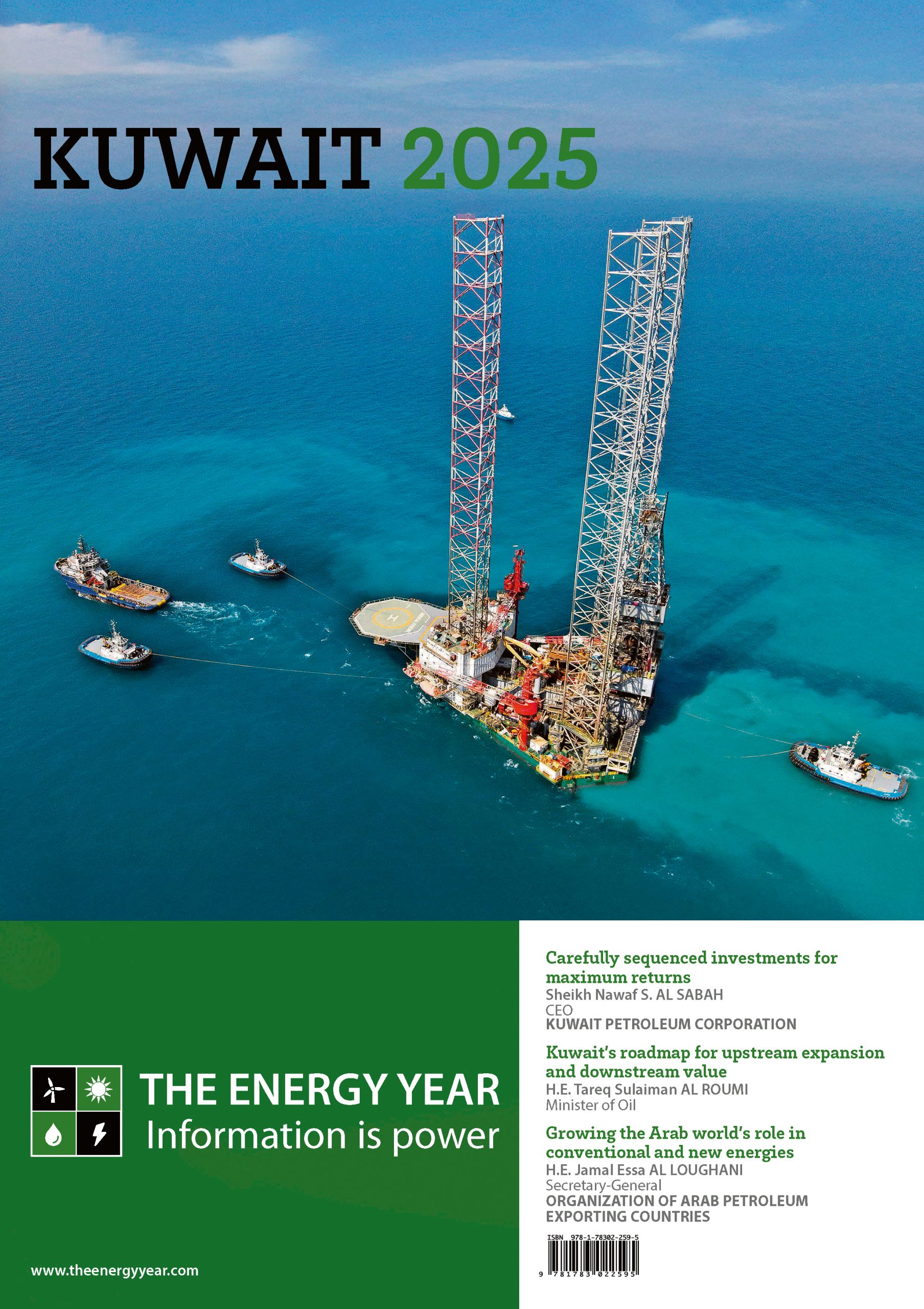
The Energy Year Kuwait 2025
The Energy Year Angola 2025
The Energy Year Nigeria 2025
The Energy Year Saudi Arabia 2025
The Energy Year UAE 2025