

A more streamlined business environment on Nigeria’s horizon
March 10, 2025 Nigeria


Ayo Salami, partner and head of the energy and natural resources sector for KPMG West Africa, talks to The Energy Year about the firm’s role in Nigeria’s energy sector and how it is assisting companies with the ongoing divestments of onshore assets. KPMG is an international professional services network that provides audit and assurance, tax and legal, and advisory services.
What is KPMG’s role in Nigeria’s energy sector?
KPMG Nigeria has a very vibrant energy practice. We have a team of 16 partners who are focused on the various aspects of the energy sector. In the domestic energy market, our strengths lie in supporting the energy transition. We assist clients with digital transformation, renewables investment and the optimisation of synergies that have happened because of the divestments by the IOCs from their onshore and shallow-water assets.
In KPMG, we operate on a functional basis but execute a go-to-market strategy from the sector lens. We have three functions, advisory, tax and audit, but our go-to-market strategy focuses on sector groupings.
We have the energy and natural resources sector, and then other sectors we focus on include infrastructure, government and healthcare; financial services; consumer and industrial markets; and technology, media and telecommunications. What we do is align our functions by these sectors. By doing this, collaboration is seamless.
How can KPMG assist companies through the IOC’s ongoing divestments from their onshore assets?
There are two components to divestment. One is the sell side; the other is the buy side. What we do is leverage our global expertise. If you have an E&P company seeking to divest, clearly there must be some due diligence by the potential offtaker. We can support the potential offtaker on due diligence for assets that are being divested.
What we’ve also done in the recent past is leverage our expertise across Africa and beyond to ensure that we give the best to our clients in terms of the skillsets and technology they need to go through the divestment process.
We have partners who are dedicated to specific subsectors: power, mining, oil and gas, and so on. What we then do is evaluate the needs of that divestment. This involves doing some due diligence on the block or the assets. In most cases, if the offtaker is to buy, they need to be sure that the asset is worth the price. They need to know the asset’s potential, for example, in terms of reserves.
We can also help a seller do due diligence on the buyer and ensure that the potential offtaker of that asset is not linked to any illicit funding. We do that for the sale as well.
How do you see the business environment in oil and gas evolving?
When the previous government, under President Buhari, set up the Presidential Enabling Business Environment Council, there were expectations that this was the silver bullet needed to improve the business environment in Nigeria. In all fairness, it worked to an extent. Nigeria moved up in the Ease of Doing Business index in Africa and globally.
Today, the Tinubu administration has set up a presidential fiscal policy and tax reform committee, and the major aim of that committee is to propose policies to ease tax administration and harmonise tax incentives across the board. Notably, if you go back to which metrics Nigeria scored poorly on in the Ease of Doing Business index, one was taxes, highlighting the need for tax reform.
The ease of doing business in Nigeria is still a challenge, but we see a light at the end of the tunnel, assuming the incentives and initiatives put forward by the current government succeed.
We are also bound to see some changes in, for instance, the contracting cycle in the oil and gas sector, which used to be about three years. The target is to now make it between 6-12 months. If that takes shape, we’re going to see some improvement in the ease of doing business.
Read our latest insights on:
-

-

A new opening for African gas
INTERVIEW -

More content from Nigeria


Latest Reports


The Energy Year Oman 2026
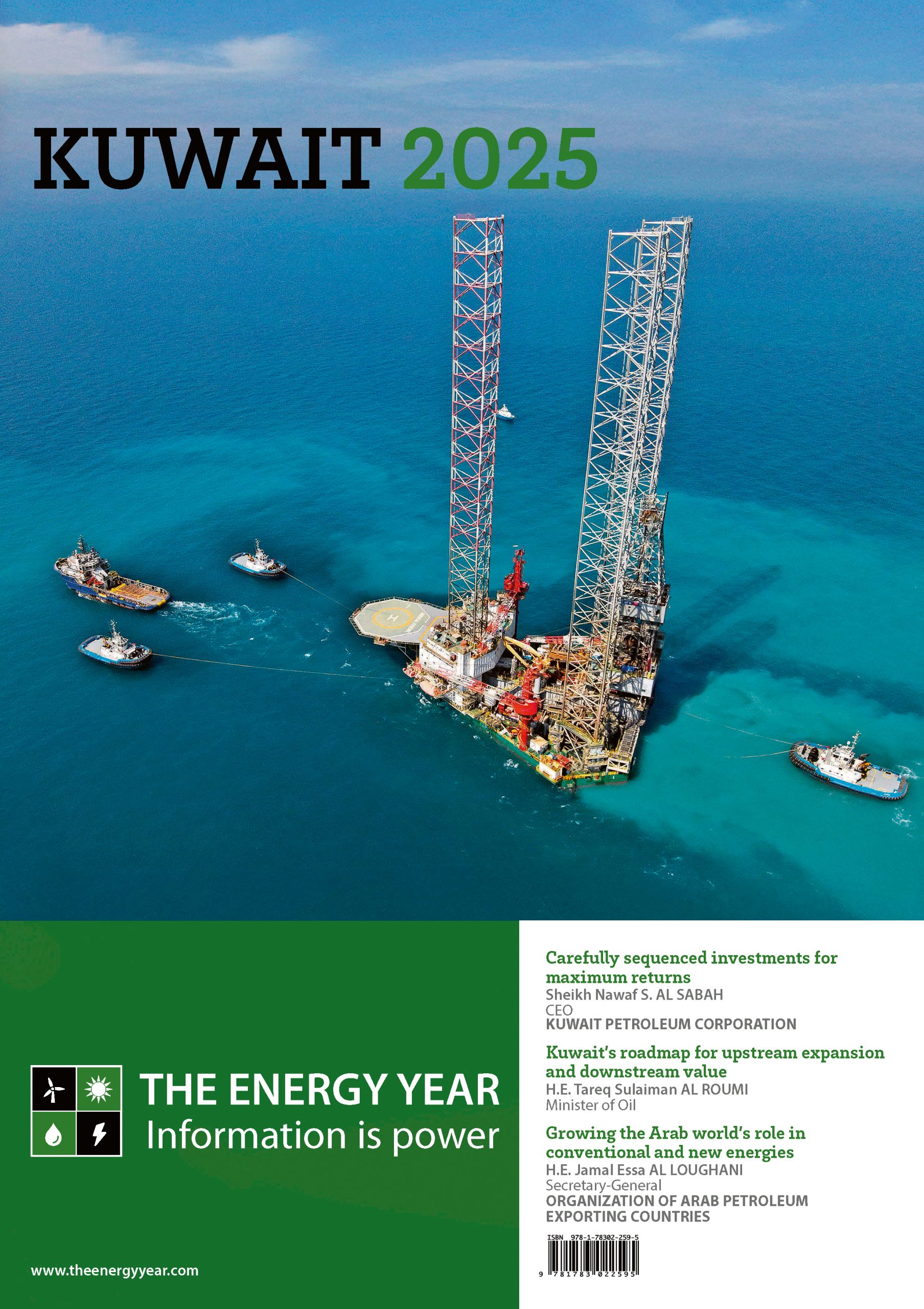
The Energy Year Kuwait 2025
The Energy Year Angola 2025
The Energy Year Nigeria 2025
The Energy Year Saudi Arabia 2025
The Energy Year UAE 2025