

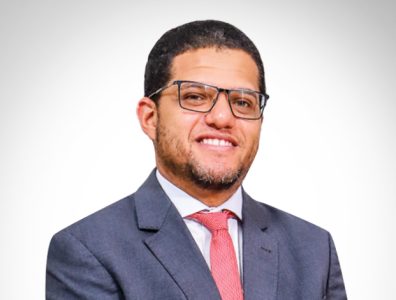
A pivotal role in digitalising Angola
August 26, 2024 Angola


Willian Oliveira, general manager of TIS, talks to The Energy Year about the role the company plays in Angola’s digital services sector, how it is impacting Angola’s progress towards digital modernisation and its involvement in the oil and gas sector. TIS is a systems integrator developing solutions in information technology.
What role does TIS play in Angola’s digital services sector?
TIS is an Angolan consulting and systems integrator company, developing and delivering solutions in several areas of information technology. We established ourselves 11 years ago in 2013, with the specific target of being the country’s main integrator.
When TIS started, we had 50 employees, and now we have 250. As a leading information technology company in Angola, TIS plays a pivotal role in the nation’s digital services sector. It pioneers innovative tech solutions, not just locally but also internationally, thereby setting a benchmark for technological excellence.
We offer a broad spectrum of services, from integrated tax management to custom software development, addressing various sectoral needs. Our focus on business process management and data security is crucial for modern businesses, and we are instrumental in driving digital transformation, aiding in the modernisation of Angola’s economy.
We also have a great commitment to talent development, through training and certification programmes, which bolster the local tech workforce. By partnering with diverse businesses for digitalisation, we are a key contributor to the country’s digital economy, making it an indispensable player in Angola’s technological landscape.
We deliver everything that is needed to set up a digital transformation project – software, hardware, networking and cybersecurity – thanks to our organisation being divided into specific units. We also provide consulting to address management changes, business analysis and technology support.
How would you assess Angola’s steps towards digital modernisation and the impact your business activities have on it?
I view Angola’s digital modernisation positively, driven by increasing digital infrastructure and technology adoption. Our company plays a crucial role in this transformation.
TIS’s diverse digital solutions are facilitating digital adoption across various sectors. We’re significantly involved in developing local talent, which is essential for sustaining Angola’s digital growth. Our efforts in digitalising business processes and enhancing cybersecurity are helping companies in their digital transition, boosting market efficiency and competitiveness.
TIS’s international presence not only marks our success but also promotes Angola’s digital capabilities globally, attracting investments and partnerships.
Since our inception, we have been involved in some very special projects that have really added value to the country. For example, the first SOC [security operational centre] in Angola was built by us.
Then, we developed, implemented and integrated the local tax system in collaboration with the Angolan tax authority. We are still partnering with them, and recently we renewed our collaboration for a new three-year digital transformation project that aims to change the way the tax authority works. The intention is to facilitate and improve taxpayers’ experience and the entire process of tax collection to help Angola improve how business is done.
We are aware that the market for IT, both regionally and globally, is highly competitive, but we are optimistic about Angola’s future. It’s important to invest in digital transformation because Angola must reduce its operational costs and improve the way services are delivered, but we are on the right path. The IMA [Institution for Administrative Modernization] is evidence of this, as it is leading a process to modernise the domestic public sector, and we are keen to help it to do so.
What is the extent of your involvement in the oil and gas sector and your strategy for expanding your exposure to it?
Our role in the oil and gas sector focuses on delivering specialised, efficient digital solutions, with an emphasis on operational efficiency and cybersecurity. We engage in strategic partnerships and invest in research and development to stay ahead in technology. Our approach includes a strong commitment to sustainability and training, ensuring the sector’s workforce is digitally adept.
Currently, we are providing mainly IT infrastructure services to oil and gas companies, as well as cybersecurity services. Our cybersecurity unit is growing significantly and includes Sonangol as one of its clients. However, we want to expand our scope in oil and gas and be closer to the business beyond IT. In that way we will really bring added value to customers.
We are working to build a tailor-made division to deal with oil and gas operations, providing services for platforms and software to optimise operators’ activities. We want to speak the same language of hydrocarbons players, including both operators and service providers, and ultimately extend our business in oil and gas more than ever.
Speaking of strategy, we are looking for partners to further penetrate the sector, and we are open to sharing technologies, software and platforms that already exist. It is not our intention to reinvent the wheel. Instead, our idea is to provide solutions that are consolidated and used in other countries, while adapting and adjusting them for our specific environment and challenges.
What are the key challenges that a local IT company faces in dealing with large oil and gas companies, and how do you plan to overcome them?
The key challenge is convincing them that local companies can perform as well as foreign companies in delivering quality products and services. The local content law states that operators need to employ a certain percentage of local services to conduct their business, but occasionally, it is very difficult for them to trust us anyway. Usually, these companies want to bring their technology and use their international partnerships, thus limiting our opportunities.
Oil and gas companies have stringent compliance, high security standards and complex custom needs. We address these by ensuring regulatory adherence, investing in advanced cybersecurity and enhancing our R&D for tailored solutions. Keeping pace with technological advancements and building credibility are also key. We focus on continuous innovation and demonstrating our expertise through successful projects.
What is TIS’s market position in the banking sector?
Our market position in the banking sector is both strategic and growing. We have established ourselves as a key provider of innovative IT solutions, focusing on areas such as secure transactions, data management and customer relationship management. Our products and services are designed to meet the unique needs of banks, enhancing their operational efficiency and digital capabilities.
We’ve built strong relationships with major banking institutions by offering customisable solutions and reliable support. Our commitment to security, compliance and staying abreast of technological advancements has made us a trusted partner in the banking sector. As we continue to innovate and expand our offerings, TIS aims to further solidify its position as a leader in providing cutting-edge digital solutions to the banking industry in Angola and beyond.
The banking and finance sector is an important one for us. We have significant partnerships with the main banks, including Banco BAI, which is Angola’s largest bank and for which we are a very strategic partner.
Although we are already very well positioned in banking, we want to consolidate our participation in the sector. For 2024, we plan to invest in machine learning and AI to tackle money laundering and offer fraud prevention platforms. We also want to align ourselves with what the central bank, BNA, is demanding from financial institutions, namely that they should be more organised and fraud resistant.
We have already started working on these solutions in 2023, partnering with SAS, one of the most significant companies worldwide for fraud prevention and compliance systems. AI is going to change the way people and companies work, and we want to be ready in advance to capitalise on the opportunities that will stem from it.
How well positioned is Angola to successfully deal with the digital transformation process?
I believe Angola is well positioned for the digital transformation process, with a few areas for improvement. The government’s commitment to digital infrastructure and policies is a solid foundation for this transformation. Additionally, the emerging technology sector, with companies such as TIS, is essential for driving digital advancement. Angola’s young and tech-savvy population is another key asset.
However, challenges such as the need for more comprehensive digital infrastructure and enhanced digital literacy and skills among the workforce must be addressed. Increased private sector engagement is also crucial. With concerted efforts in these areas, Angola can fully embrace and benefit from the digital era, leveraging its unique strengths and addressing its challenges head-on.
Making Angola fully digitalised will be a great journey, and there will be some challenges, such as telecom network coverage throughout the whole country; training and educating population and students for digital transformation; and technology itself and the way we adjust it according to what we are. It must be customised to respond promptly to our specific reality and needs. Picking up whatever technology from any place in the world and bringing it here does not mean it will be successful. We need to adapt it.
If you ask me how we can gear ourselves up to face this process, my answer is by investing. In my opinion, we are on the right path, and we need to move forward with the private and public sector companies and authorities working together.
Africa will be the continent to look at in the coming decades, and Angola can play a special role, supported by its people’s capabilities and natural resources, in driving digital transformation, providing services for the whole region and contributing to make it more attractive for investors too.
What are your main targets for the company’s future, both domestically and internationally?
We are focused on growth, innovation and expansion. Domestically, we aim to solidify our leadership in the Angolan IT sector by continuously innovating and offering cutting-edge technology solutions that meet the evolving needs of our local market. We plan to expand our services across different industries, enhancing digital literacy and infrastructure within Angola.
We want to consolidate our presence, particularly in regions where our expertise can make a significant impact; form strategic partnerships and collaborations to extend our reach; continue to invest in research and development, particularly in emerging technologies such as AI and machine learning; and foster talent development, ensuring our team is equipped with advanced skills to drive both local and international success. This dual focus on domestic strength and international expansion underpins our vision for TIS’s future.
We want to be a reference point for training not only in Angola but for the entire continent, and we plan to hire 300 employees by the end of Q1 2024. We also want to further penetrate the private sector, and we are planning to obtain the ISO 27001 certification for cybersecurity. That would make us the first company in the country to have it.
Internationally, our objective is to be one of Africa’s main consulting companies for IT while strengthening our role as a service provider. When someone is thinking about technology, we want them to think about TIS. To get there, we must expand our footprint beyond national borders, and that is why we aim to be present in other African countries.
Read our latest insights on:
-

-

Quality acquisitions over acreage
INTERVIEW -

More content from Angola



Latest Reports


The Energy Year Oman 2026
The Energy Year Kuwait 2025
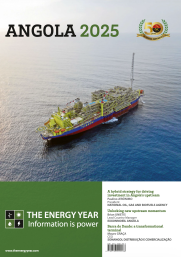
The Energy Year Angola 2025
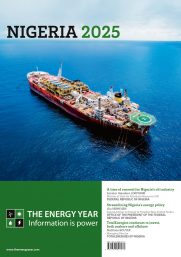
The Energy Year Nigeria 2025
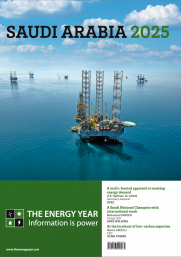
The Energy Year Saudi Arabia 2025
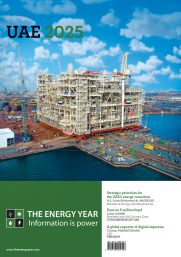
The Energy Year UAE 2025