
A strategic shift to offshore EPC
December 16, 2025 Nigeria


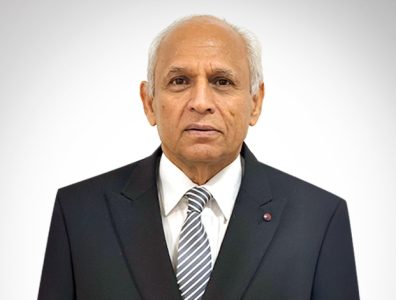
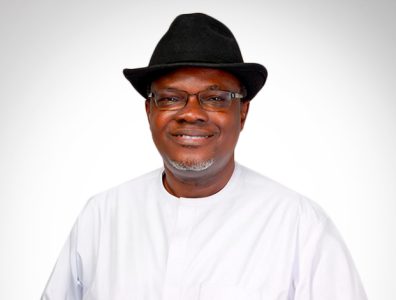
Edward Tawfik, managing director of MORPOL Engineering Services, and Felix Ayejunikanwa, executive director, talk to The Energy Year about the company’s strategic shift from land-based EPC projects to offshore ones and how a proactive, community-focused approach has fuelled its success across Nigeria’s energy infrastructure. MORPOL provides EPC services for the oil, gas and industrial sectors.
What is MORPOL Engineering Services’ track record in Nigeria?
Edward TAWFIK: MORPOL was originally founded in 1968 as a construction equipment outlet, supplying excavators and rollers for earth-moving operations. It was later reinvented and diversified into the EPC sector. We began by undertaking maintenance work with refineries, such as turnaround maintenance (TAM) and other rehabilitation works, shrink wrapping and palletising for the carbon black plant at the Warri Refinery and other petrochemicals plants.
We progressed into long-distance pipelines, including the NNPC-NGC EPC contract for gas supply to PHCN Olorunsogo Power Plant, a 24-inch, 31-kilometre pipeline and station work located in Papalanto, Ogun State. Another major job was the 18-inch by 82-kilometre Indorama Gas Pipeline with its receiving facility, connecting the AGIP Processing Plant at Ob/Ob to Indorama. This was followed by another Indorama Pipeline expansion, which involved connecting to the TotalEnergies and Shell pipelines and developing a receiving station.
We are currently building a valve station for Indorama Eleme Fertilizer & Chemicals Limited (IEFCL) in Imo State, Nigeria, and have worked with Shell since 2014 on projects that serve NLNG for gas supply. Our reputation grew as we consistently delivered projects ahead of schedule. In our first IOC job, they were sceptical that we would not finish on time, but we exceeded expectations.
Safety has always been a priority. Our HSE track record with Shell and other IOCs is nearly spotless. Even modular refinery clients have said during presentations that “you seem bigger than our needs.” We assured them of our ability to fit into different sizes of clients. That speaks to our competitiveness, strength and reliability.
What are the key factors behind your success in EPC projects?
Felix AYEJUNIKANWA: Our flexibility and proactive approach set us apart. Many companies stick rigidly to procedure, but we adapt and think outside the box. We focus on achieving targets. Another critical strength is managing host communities, which we call “community affairs.” Understanding and working closely with community stakeholders is essential.
Integrity is key. It has enabled us to maintain strong relationships with both host communities and other stakeholders. Our management is highly committed and visible. We believe that great results stem from great preparation. We don’t wait to be awarded a project before planning – we prepare in advance, aligning our strategies to optimise costs and minimise disruptions, such as avoiding the rainy season for some field activities, which could significantly impact project costs. This strategic foresight helps us deliver projects efficiently.
What internal strategies do you use to ensure successful project execution across Nigeria?
FA: We operate without bottlenecks; communication is direct and efficient. This streamlined process is a legacy from our founding fathers, whose principles we’ve built on for more than 30 years. I can share a sterling example: four companies were awarded contracts under the same project, including us. It involved four terminal gas stations under NNPC. We delivered our portion two years ahead of the others.
Even when projects become financially challenging, we complete them. We’ve handed over jobs at a loss, prioritising client satisfaction and result delivery. This commitment is a hallmark of our work ethic.
Importantly, we consider our workforce as our greatest assets. Hence, our “Care for People Policy” impacts positively on our staff welfare, which translates to their high productivity level.
Where is MORPOL Engineering headed in the future?
ET: Our origins were in stockfish trading and equipment sales, then we shifted to road construction and, by 1991, into engineering. Around 12 years ago, we ventured upstream by engaging with IOCs.
Our next goal is offshore work. We want to evolve from our current land-based operations to offshore projects. We’re already developing strategies to support this transition. It’s a long-term vision we haven’t yet achieved, but we are fully committed to making it a reality.
Read our latest insights on:
-

-

A new opening for African gas
INTERVIEW -

More content from Nigeria



Latest Reports


The Energy Year Oman 2026
The Energy Year Kuwait 2025
The Energy Year Angola 2025
The Energy Year Nigeria 2025
The Energy Year Saudi Arabia 2025
The Energy Year UAE 2025