

African trade moves through Maputo
September 12, 2024 Mozambique


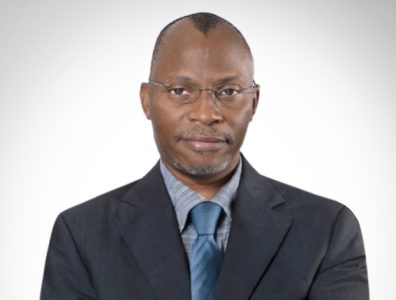
Osório Lucas, CEO of Maputo Port Development Company (MPDC), talks to The Energy Year about how the Port of Maputo can contribute to Mozambique’s energy industry, the key elements in the company’s approach to managing growth and how the country is poised to become a regional logistics hub.
MPDC is a private Mozambican company created as a partnership between Mozambique Ports and Railways (CFM) and Portus Indico, comprising Grindrod, DP World and local player Mozambique Gestores. MPDC was given the Port of Maputo concession in 2003 for an initial period of 15 years, and its latest extension, granted in early 2024, will see the concession last until 2058.
How can the Port of Maputo contribute to Mozambique’s energy industry?
As a multi-purpose port and the nation’s largest, we see an opportunity to play a key role in the industry as energy production ramps up. There will be a lot of materials and consumables coming into Mozambique. However, we may not be the first port of entry – it could be Mauritius, Durban, or Mombasa. Our goal is to make the first port of entry a Mozambican port, and we’re making the Port of Maputo available for this.
That being said, the port can at least serve as the final destination for these goods, and Mozambique has some new legislation on trans-shipment that will help with this. The new laws make things easier from a Customs point of view. Shippers used to have to clear goods at the first port, but now they can clear them solely at the final destination. With our depth and efficiency, Maputo can be that final port of entry.
The second opportunity is oil and gas, and not just in Cabo Delgado. We also have Sasol’s operations at the Pande and Temane fields and other discoveries happening down south. We’re the closest port to these projects. On top of that, there is talk of transporting gas from Mozambique to the region, and some of the target countries are closer to Maputo. So, we can position ourselves as a supporting port for that as well.
What are the key drivers behind MPDC’s approach to port management?
We understand that the idea of good service is constantly evolving. That’s why we’re always looking for ways to improve. We’ve focused on three main areas to achieve this.
First, we invested heavily in infrastructure. In 2016-2017, we dredged the channel to 14 metres so larger ships can access the port, and we’re constantly upgrading other facilities.
However, great infrastructure needs the right people to run it and we realised our historic port needed a fresh perspective. So, secondly, we developed intensive training programmes to bring in young, talented Mozambicans.
This youthful energy led us to our third pillar: technology. We know young people thrive in a tech-driven environment. So, we developed our own innovative solutions throughout the port. For example, our weighbridges are now automated and controlled from a central room. The key is that these solutions are homegrown. We didn’t just buy them off the shelf; we developed them with our young Mozambican staff. This fosters a sense of ownership and allows us to easily adapt these solutions to future needs.
Our focus on efficiency is crucial. We face tough competition from larger South African ports that don’t have border delays. But by having top-notch infrastructure, a highly skilled workforce and cutting-edge technology, we at MPDC can compete effectively and ensure the Port of Maputo remains a vital trade hub.
How do you envision Mozambique as a regional logistics hub and what is the Port of Maputo’s role within it?
The future is uncertain, but there is one constant: our geographical position. We have a natural advantage in our coastline – something our regional neighbours can’t replicate. We need to explore this advantage and turn it into an asset for the country.
But sometimes nature can be a curse as well. Having everything readily available can put you in a comfort zone. Mozambique has it all – oil and gas, rare minerals – and maybe a little too much. When you have everything, you might not be as resourceful from an energy point of view. We need to convert this geographical asset into an economic asset, and for that, we need a national logistics strategy.
In terms of issues to address, the country’s most lacking resource right now is qualified labour. We have a lot of people, but not enough qualified workers. Can we keep doing the same things with the same level of expertise and expect different results? We need a strategic view of how we want to see this country in the next 50 years.
The good news is that we have competition from South Africa challenging us to be strong in multiple areas, such as containers and minerals. This is where we rediscover ourselves every day. South Africa keeps us sharp, so let them keep pushing us.
What are the port’s growth prospects for the next year, specifically in light of the concession’s extension to 2058?
There are three main areas driving our volume growth. First, the container terminal: we’re expanding its capacity to 530,000 teu by the end of 2026 or early 2027. Second, the coal and magnetite terminal will increase its capacity from 8 million to 12 million tonnes in phase one. Third, the bulk terminal will grow from 10 million to 13 million-14 million tonnes in phase one. These are our main focuses for the next three to four years.
To achieve these goals, we’re investing in infrastructure works, dredging, quay reconstruction and supporting equipment. Another key area is system integration. We’ve developed various systems, but now we’re focusing on making them work together seamlessly. Ideally, a client should be able to buy any service at the port’s container, coal or bulk terminals entirely through the phone, without needing to come in person.
This focus on digitalisation came partly from the Covid-19 pandemic. We realised that borders could close quickly, stopping in-person interactions. So, we accelerated our development of paperless solutions for border crossings and payments. This system has been successful. We’ve even linked mines electronically to the port, allowing for real-time transaction tracking by our clients.
What is your strategy for securing funds for these expansion plans?
Our success relies heavily on two things: reputation and partnerships. First, we’ve built a strong reputation in banking. In this industry, trust is paramount – you need to trust the bank and the bank needs to trust you. Our history speaks for itself.
Second, we have two strong shareholders: DP World and Grindrod. Their proven track record is a major asset. We’ve never had to rely on their financial guarantees, but that strong backing gives comfort to banks. When a bank evaluates us, our ownership story strengthens our case. It’s not just about future plans – it’s about past performance.
As a main player in the national economy, how does MPDC contribute to local content and social responsibility?
We have quite a sensitive CSR strategy. One of our flagship projects is called Port Plus. Here, we employ 18 or 19 young people with various disabilities, including cerebral palsy, vision impairment and physical disabilities.
Another project, called The Invisibles, involved staging a fashion show for people experiencing homelessness and sex work, emphasising that everyone is beautiful. We then trained eight people from this programme, who are now employed with the port and its partners. However, leaving them without long-term support would be irresponsible, so we brought in psychologists to work with them as well.
These projects aren’t just about charity. They reflect our commitment to being a relevant institution in Mozambique. We see it as our obligation to give back to the community.
Read our latest insights on:
-
Project highlight: Mozambique LNG
PROJECT HIGHLIGHT -
-
Project highlight: Mozambique’s Central Térmica de Temane
PROJECT HIGHLIGHT
More content from Mozambique

Latest Reports


The Energy Year Oman 2026
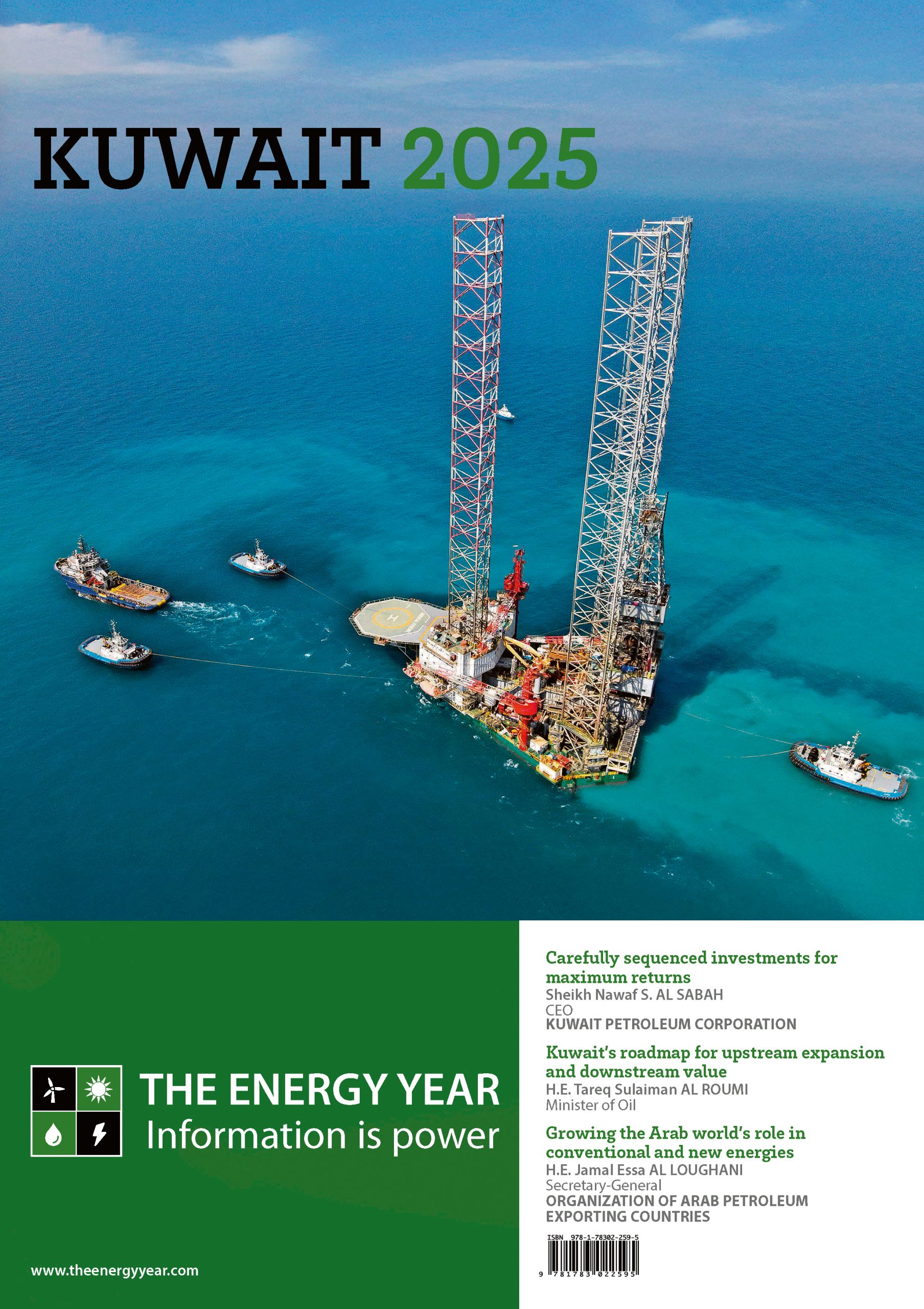
The Energy Year Kuwait 2025
The Energy Year Angola 2025
The Energy Year Nigeria 2025
The Energy Year Saudi Arabia 2025
The Energy Year UAE 2025