
An engine for Angola’s economy
September 2, 2024 Angola


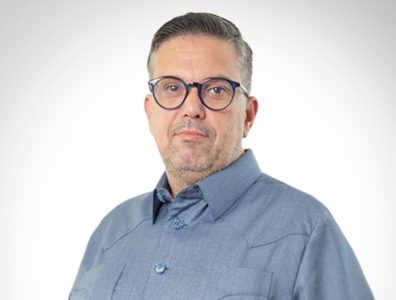
Hugo Teles, CEO of Banco BIC, talks to The Energy Year about how the company’s performance has evolved in recent years, its strategy for extending its leadership in credit and the sectors of the Angolan economy that have the most potential for driving economic growth. Banco BIC provides retail and commercial banking services in Angola.
How has the bank’s performance evolved in recent years?
Our new income reached around USD 83 million in 2022, and we made efforts to increase our equity. Instead of distributing profits to shareholders, we increased our equity to around USD 850 million, strengthening the bank’s financial structure. That is key to our strategy. We prefer stepping ahead and covering more for eventual delayed credit payments. Our strategy is to strengthen the financials of the bank to have a steady future.
What is the bank’s strategy for maintaining and extending its leadership in credit?
We are the Angolan commercial bank that has granted the most loans to the productive sectors of the real economy of Angola. If you help a company grow from the beginning, it’s easier for the company to keep up with you as a banking institution. That’s our approach to the market.
We would like to be more exposed to the energy sector. However, we have focused more on commerce and individuals. We are further penetrating the energy business now and are beginning to work with Sonangol. Hydropower projects also offer a lot of growth potential. We have liquidity, so we want to invest in financing the energy sector.
We are looking very closely at the entire energy value chain. The Soyo fertiliser project, for example, offers many opportunities. Entire industries can flourish around that kind of development.
What sectors have the most potential to drive economic growth in the future?
We think that the mining sector has a lot of untapped potential. Mining at the moment only means gold and diamonds, but it will become more diversified because Angola has everything that you can imagine, and everything is still unexplored.
Moreover, I think that the future all over the world is food. We think that Angola has very good land, very good soil, very good weather and a lot of water. Soon investment is going to increase, probably through other countries or investors coming into Angola. We think that Angola should also start investing in food and water.
There’s a bit more work with agriculture. It takes longer to yield profits. The investment in the beginning is very high, but I think even with the demand right now for, let’s say, grains alone, agriculture would be a very profitable business. Look at Brazil: the largest business in Brazil is food. Angola has all the conditions to do the same.
What are the key challenges that could impede the growth of the mineral sector?
The mineral sector here is not going to work by road. It’s going to operate by railway. I think that the largest challenge – which is probably the most expensive aspect of the business – is transport.
The government is making a significant effort to develop the railway, as it should. They’ve changed the type of trains we have. We are finally looking into the transport of minerals. Previously, they were only thinking about people, that is, taking people from A to B. With cargo trains, I think things will be different.
How interesting are opportunities in the power sector?
With renewable energy, I’m seeing that the US government is making a large effort to develop projects in Angola. Solar energy of course has a lot of potential for development in Angola, and hydroelectric power plays a crucial and growing role in the Angolan economy.
The transmission and distribution of power is a subsector that will see a lot of investment in the coming years. The government’s electrification goals and Angola’s potential to start exporting power demand a more extensive transmission and distribution network.
What are the key priorities and objectives for the bank for the years to come?
Our bank serves as an engine for the economy. We are economic catalysts. We make things work and happen faster. Our only goal is to keep the economy going.
We are one of the banks that believes in the Angolan economy. We know we have a very small economy, so we have to grow. We are therefore here to provide financing counselling, knowledge, information and whatever else we can to make things move.
In the oil and gas business, we want to increase our involvement. We can finance service providers, but what we want is to get in on the financing for the operators. The operators now trust more in the local banks. The involvement of local banks in the business would be interesting for everyone. International banks would have an operator and a local bank that shares risk with them, so this prospect is interesting for them as well as us.
Read our latest insights on:
-

-

Quality acquisitions over acreage
INTERVIEW -

More content from Angola

Latest Reports


The Energy Year Oman 2026
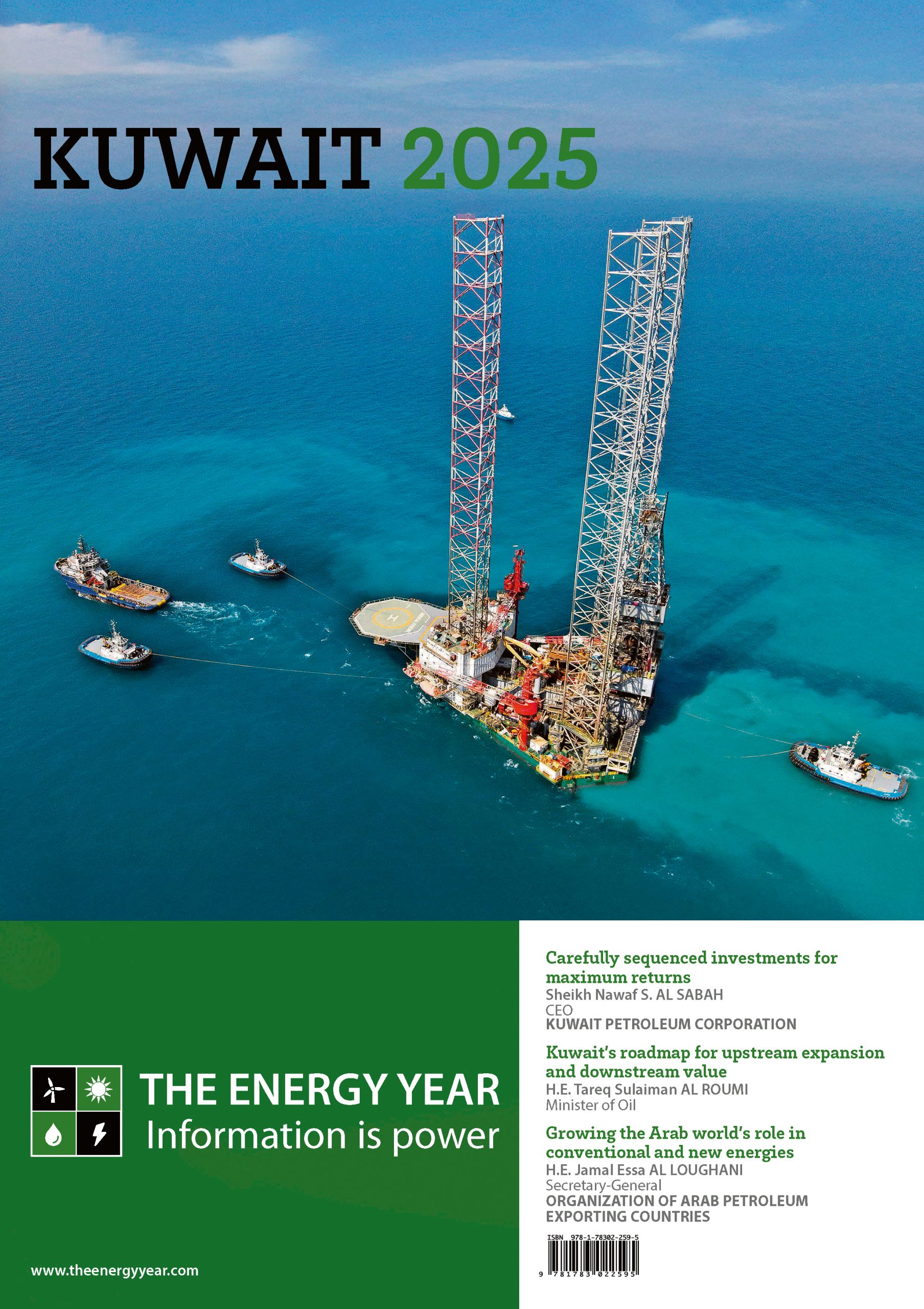
The Energy Year Kuwait 2025
The Energy Year Angola 2025
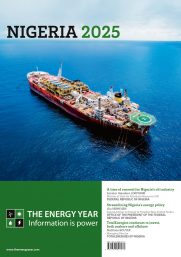
The Energy Year Nigeria 2025
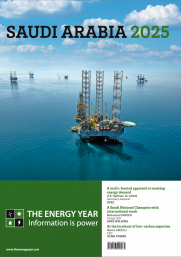
The Energy Year Saudi Arabia 2025
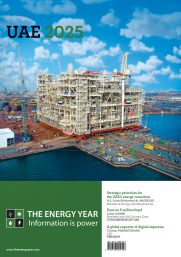
The Energy Year UAE 2025