

Angola and Saudi Arabia’s fruitful relationship
May 23, 2024 Angola


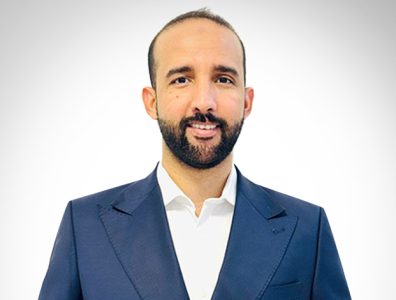
Mohamed Siyame, president of the Chamber of Commerce and Industry Angola-Saudi Arabia (CCIAAS), talks to The Energy Year about the opportunities it sees to facilitate investment and collaboration between Angola and Saudi Arabia and its engagement with prominent players. CCIAAS is a part of the Federation of Chambers of Saudi Arabia.
What opportunities does the CCIAAS see for facilitating investment and collaboration between Angola and Saudi Arabia?
The work to promote foreign investment that has been developed by the Angolan president, His Excellency João Lourenço, together with his government, paved the way for legislative changes that enabled securing investments from the Saudi Development Fund, totalling approximately EUR 330 million, which they committed at the Saudi-Africa summit last November. The agreement was formalised through signing ceremonies involving Minister of State for Economic Coordination José Massano.
This active promotion of foreign investment is critical for attracting external investments, either through joint ventures or other forms where Saudi companies can provide capital, knowledge and other resources that Angolan investments require.
Additionally, Angola has many projects that can benefit from Saudi products, which can help Saudi exports, and there are opportunities for exports to Saudi Arabia.
Given Saudi Arabia’s burgeoning development, there is a growing demand for raw materials. Angola stands to benefit from exporting diamonds, for instance, particularly as Saudi Arabia expands its hospitality and tourism sectors, which will lead to increased demand for such commodities. Angola possesses abundant natural resources, including critical minerals accessible through the Lobito Corridor.
Overall, we identified opportunities that can be very beneficial to both countries, and we are the best vehicle to approach and facilitate those investments.
How does CCIAAS plan to capitalise on its engagement with prominent players and explore events for industrial development in Angola’s mining sector?
Last year, we attended the Future Minerals Forum in Saudi Arabia, an annual event held in Riyadh. During this event, we had the opportunity to engage with numerous companies, including Ma’aden, a prominent player in the mining sector, and its subsidiary, Manara Minerals, which is focused on exploration rather than acquisition. This is particularly relevant for Angola, as there is a growing need for industrial development in the mining sector.
Traditionally, raw materials such as rough diamonds were purchased and exported to destinations such as Dubai and Belgium for processing. However, Angola is now looking to establish its own diamond polishing industry to add value locally before export. We’ve been in discussions with private Saudi companies, which have historically focused more on gold than diamonds but are now exploring opportunities in the diamond sector.
In January 2024, we visited Catoca and held numerous meetings aimed at attracting investors to explore and invest in Angola’s diamond sector. We’ve also engaged with ENDIAMA to facilitate partnerships with Saudi investors interested in establishing factories in Angola. The Angolan government has already laid the groundwork for such initiatives, offering incentives to companies that establish factories in the country. These incentives include access to raw materials from national diamond companies.
Our objective is to facilitate partnerships and investments between Saudi Arabia and Angola, particularly in the diamond industry. We are actively working on the necessary documentation and processes to support these initiatives.
Additionally, we are very interested in following and supporting the development of the mining sector for other minerals. As you know, Angola has significant deposits of several minerals, such as iron ore, phosphates, gold and copper, but their exploitation has been relatively limited.
We believe this opportunity can be a game changer for the development of Angola as it reaches underdeveloped regions. Investments in this area will also require investments in critical infrastructure such as the Moçâmedes Railroad and the Namibe Port with important positive economic consequences for Angola.
How does CCIAAS envision positioning Lobito as an attractive destination for investment and industrial development?
As I said previously in November, a significant milestone was reached with the signing of a EUR 110 million investment deal with the Saudi Development Fund. The investment comes from the investment plan of EUR 330 million, marking the beginning of the first phase of industrial design development in Lobito.
Lobito is currently experiencing a surge in popularity due to various factors, including the Lobito Corridor and the refinery. The local government in Lobito is keen on further exploration and development.
The Angolan government, under the leadership of the president, is advocating for decentralisation. There is a concerted effort to reduce dependency on Luanda and to spread economic development across the provinces. This initiative aims to diversify the economy and distribute resources more evenly throughout the country. Lobito’s emergence as a trendsetter aligns well with this decentralisation strategy, making it an attractive destination for investment and industrial development.
Lobito boasts a strategic location complemented by robust infrastructural assets. Anchored by a deep-water maritime port, Lobito facilitates the seamless exportation of goods, fortifying its position as a pivotal nexus for local industries and agriculture.
Moreover, the significance of the existing railroad cannot be overstated. Serving as Angola’s sole international rail link, it plays a crucial role in providing sea access to countries bordering the eastern frontier of Angola. Beyond facilitating international trade, this railroad infrastructure is instrumental in fostering economic growth in inland regions such as Huambo province, renowned for its abundant agricultural potential.
Furthermore, Lobito enjoys proximity to both the Catumbela airfield and the Benguela International Airport, which are poised to emerge as indispensable assets for regional development.
Given these compelling attributes, we contend that Lobito, alongside Benguela, possesses the requisite elements to ascend as a pivotal economic hub in the region.
How do you perceive the government’s readiness to facilitate growth and attract investment?
As an analyst with 13 years of experience in Angola, I believe the government is making commendable strides. Despite the inherent challenge in gauging people’s emotions, being immersed in the country allows for a firsthand observation of the evolving landscape. There has been a noticeable shift in mindset among both the populace and government officials. They are increasingly receptive to engagement and actively seeking opportunities and demonstrating a greater openness to progress.
There’s a sense of readiness to facilitate growth and attract investment. This sentiment is particularly evident in regions such as Cabinda, where initiatives such as the development of the new Port of Caio present promising prospects. Compared to previous years, the current environment offers more opportunities, and the government appears more willing to collaborate and provide incentives to investors. This positive trajectory reflects a promising outlook for the future of Angola.
What are CCIAAS’s aspirations for the next five years?
I envision the chamber emerging as a key player in Angola’s economic landscape, facilitating investment and earning a reputation for credibility and efficacy. Our team comprises seasoned professionals – including experienced businessmen and women from the energy, oil and industrial sectors – with over 20 years of expertise.
Although the chamber’s operational journey spans only a bit more than a year, our impact has been significant. Since we began active operations in 2022, we have garnered widespread recognition both domestically and internationally. We frequently host delegations from other countries seeking collaboration, although our partnerships currently extend exclusively to Saudi Arabia.
We want to establish ourselves as strategic partners for both the Angolan and Saudi Arabian governments, working in a true partnership to promote the development of both countries.
Looking ahead, I anticipate that the chamber will solidify its position as one of Angola’s most reputable institutions within the next five years. Any investor from the Kingdom of Saudi Arabia considering ventures in Angola will likely prioritise engaging with us, given our track record of credibility and the wealth of information we offer.
As we continue to expand our influence and establish ourselves as a trusted entity, we aim to serve as a reliable partner for investors seeking opportunities in Angola’s dynamic economic landscape.
Read our latest insights on:
-

-

Quality acquisitions over acreage
INTERVIEW -

More content from Angola


Latest Reports


The Energy Year Oman 2026
The Energy Year Kuwait 2025
The Energy Year Angola 2025
The Energy Year Nigeria 2025
The Energy Year Saudi Arabia 2025
The Energy Year UAE 2025