
Angola’s ANPG celebrates five years of success
July 4, 2024 Angola


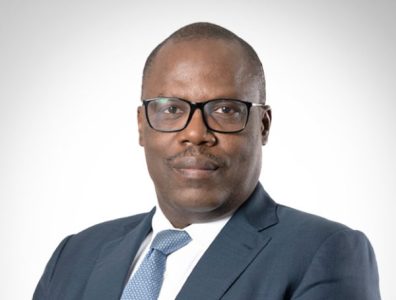
Paulino Jerónimo, president of Angola's National Oil, Gas and Biofuels Agency (ANPG), talks to The Energy Year about the institution’s key milestones since it was created five years ago and the main opportunities in the Angolan oil and gas sector. The ANPG is Angola’s national concessionaire, regulator and supervisor for the oil and gas upstream and biofuels sectors.
This interview is featured in The Energy Year Angola 2024
What have been the ANPG’s main successes in its first five years of existence?
Five years after its creation and establishment, the ANPG is thriving and has many reasons to celebrate its achievements. It has played a significant role in enhancing the business environment for Angola’s oil and gas sector, thereby contributing to the national economy and helping the country meet its internal and external commitments.
Two very important successes have been mitigating the decline in oil production and resuming the bidding for new concessions after an eight-year hiatus. Additionally, the ANPG has assisted in the development of exploration activities through the 2020-2025 exploration strategy and collaborated on efforts to decarbonise oil operations and promote renewable energy, particularly biofuels.
We have also promoted local content, implementing policies aimed at human capital development and social responsibility, while creating conditions to retain existing investors in Angola and attract new ones. Another key element is that we have established closer relationships with all partners, especially investors.
These achievements were made possible by implementing a strategic plan focused on five key areas. The plan included consolidating and operationalising the national concessionaire function and prioritising the replacement of reserves to mitigate the decline in hydrocarbon production. It also involved implementing health, safety and environmental policies and developing policies for human capital growth.
Emphasising the decarbonisation of oil operations and promoting renewable energy initiatives was also a critical component of the plan. Through this comprehensive approach, ANPG has managed to achieve significant progress and lay a solid foundation for continued success in Angola’s oil and gas sector.
How do you assess the results of the 2023 bidding round?
The 2023 Lower Congo and Kwanza Onshore Basins bidding round has been a success and is a testament to a successful five-year licensing round strategy.
The winners were announced in April 2024, and negotiations for the signature of production-sharing contracts are ongoing. The process was based on the evaluation of the requirements for acquiring the status of Associate of the National Concessionaire, namely Operator (financial, technical capacity and suitability) and Non-Operator (financial capacity and suitability). The final score resulted from the evaluation of the proposals received and the Requirements for Membership of the National Concessionaire, as described in the Competition Rules and Procedures.
Our strategy for the 2023 bidding round allows us to achieve our objectives of reassessing the existing oil potential in the Lower Congo and Kwanza Onshore Basins, leveraging technological innovation and good governance practices, relaunching the exploration and production of hydrocarbons in the onshore areas of the basins, encouraging the participation of small and medium-sized oil companies and promoting the incorporation of qualified Angolan labour, and of course mitigating the decline in production by increasing exploration activities and discovering new resources.
What have been the key recent advances in developing mature fields?
Recently, agreements have been signed with several concessions to develop additional resources in mature fields. In Block 14 an agreement was signed to drill seven wells in early 2024 – six for development and one for exploration. As of May 2024, drilling is already underway. In Block 15, plans were made to drill up to 60 wells, with 10 wells already completed and the next nine selected.
This drilling activity has significantly boosted production in the block, and it is expected that the state will generate an additional USD 2 billion-2.5 billion by 2032 thanks to this agreement. This arrangement also enabled Sonangol to acquire a 10% stake. In Block 17, an agreement was reached to extend all areas of the block first until 2035 and subsequently until 2045, with substantial investments planned to enhance production.
What are the ANPG’s key priorities in terms of the sustainability and decarbonisation of the Angolan upstream industry?
The ANPG promotes various internal initiatives and alignment strategies with operators to enhance safety, health and environmental protection in the sector. These initiatives include measures to mitigate and prevent safety risks and spills and to manage gas flaring to levels that minimise atmospheric emissions.
We are particularly focused on decarbonising our industry and finding cleaner ways to produce oil and gas. In terms of sustainability, Angola has made significant strides in the oil sector, particularly in social responsibility. Efforts have also been made to ensure that communities and the country benefit from investments in schools, healthcare and community development.
How important is the reinforcement of transparency in the Angolan oil and gas industry?
The promotion of hydrocarbons potential in Angola must go hand in hand with the development and implementation of compliance models that ensure the effectiveness and legality of the activity. To that end, the ANPG and the Angolan Financial Information Unit signed a cooperation agreement in February 2024 to combat money laundering and corruption. With this signed protocol, it is now the objective of both institutions to strengthen the economic and financial transparency of the national oil sector.
The agreement seeks to strengthen the organisational culture of the national concessionaire by emphasising collaboration and alignment between national and international entities to improve control and transparency mechanisms in the oil sector. Additionally, it serves as a tool that incorporates awareness-raising initiatives and staff training on preventing financial crimes.
What are the key exploration and production opportunities that will drive future growth in the Angolan oil and gas industry?
Investment in the Angolan oil and gas industry is key, which is why we encourage our partners to implement projects that aim to boost oil activity in the country.
Block 31 is in the final approval stage for developing three fields – Palas, Astraea and Juno – with first oil expected in 2027. Block 20 is in the final discussion phase for the development of the Cameia and Golfinho fields, with the final investment decision anticipated in 2024. Meanwhile, negotiations are ongoing for the development of the Chissonga field in Block 16.
Exploration efforts within production and development areas have included wells in the concessions of blocks 15 and 15/06. ExxonMobil is drilling several exploration wells in 2024, notably with recent discoveries made in May 2024. Similarly, TotalEnergies is planning to drill a well in Block 17 this year.
To assess the oil potential of new exploration zones, work continues in the interior basins, covering approximately 520,000 square kilometres of sedimentary basins in the provinces of Cunene, Cuando Cubango, Moxico, Malanje, Kwanza Norte, Lunda Norte, Lunda Sul and Uíge. The results are promising, with several oil and gas samples collected, confirming hydrocarbons generation in these basins. Plans are in place to divide these sedimentary basins into blocks for bidding in 2025.
What is your final message to international investors?
Angola is open for business and has an excellent investment atmosphere that offers great opportunities for sustainable growth. On top of oil production, more investment is needed to develop Angola’s gas resources and to create more renewable energy opportunities in biofuels. Angola offers very substantial advantages in terms of rule of law and the magnitude of business opportunities. It is our job to establish fruitful relationships with our partners to ensure the creation of mutually beneficial projects that will assist the development of the future of Angola.
Read our latest insights on:
-

-

Quality acquisitions over acreage
INTERVIEW -

More content from Angola

Latest Reports


The Energy Year Oman 2026
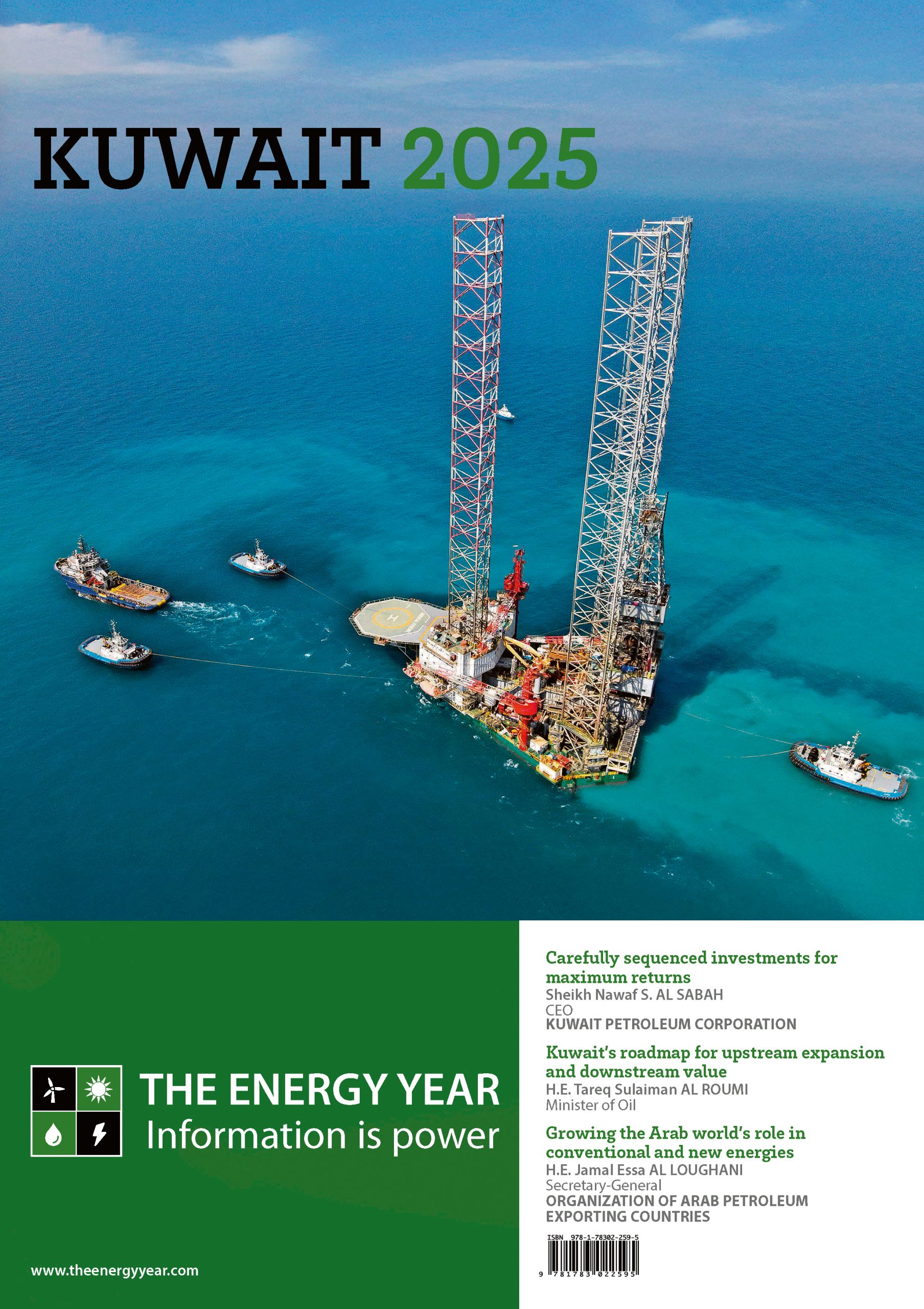
The Energy Year Kuwait 2025
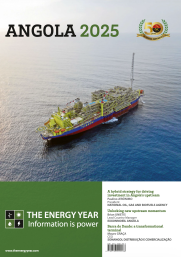
The Energy Year Angola 2025
The Energy Year Nigeria 2025
The Energy Year Saudi Arabia 2025
The Energy Year UAE 2025