

At the base of Mozambique’s industrial sectors
September 11, 2024 Mozambique


Rogério Samo Gudo, president of the board of directors of the Industrial Association of Mozambique (AIMO), talks to The Energy Year about the need for collaboration among Mozambique’s industrial sectors and how AIMO promotes training to help drive economic growth. With more than 300 members, AIMO works to streamline communication between the public and private sectors to create an enabling business environment.
What is the main challenge facing Mozambique’s industrial sector?
The main challenge facing our industry is its competitiveness. Mozambican products are more expensive compared to imports, even with import taxes and duties. We are less competitive than neighbouring countries such as South Africa and Tanzania. To understand the reasons, we need to look at the pillars of industrial competitiveness. The first is people.
Our human capital is not very competitive, and training is not aligned with the needs of the sector, requiring expensive retraining. Other countries have graduates ready to work, while ours need additional training programmes for the same task.
Tax policy is also a challenge. We need policies that balance broad economic objectives with the need to generate employment. Our tax structure makes it difficult for industries to be competitive, especially in terms of access to technical and technological skills. The oil and gas sector is one example of this. Foreign service providers are more competitive than local companies due to gaps in technical skills and we do not have tax incentives for access to technology
Industrial finance is essential, but our banking system mainly serves commercial needs rather than those of the industrial sector, and this is a challenge for industrialisation and manufacturing. Our interest rates are around 25-30%, much higher than those of neighbouring countries such as South Africa, where they are around 12-14%. Many companies that compete with us come from Europe, supported by European banks. The cost of financing is a major obstacle to local production.
Access to technology and the lack of finance for technological modernisation is another obstacle. We need tax incentives to upgrade equipment and processes. Collaboration with sectors such as construction, mining and agriculture could reduce the costs of accessing raw materials. Balancing inflation and economic stability is crucial. The temptation to rely on imports is strong, but this harms local production and job creation.
How does AIMO help industry stakeholders address these challenges?
We work with partners to address challenges in each of the pillars. For example, we have established a welding school and we are working with the government to improve training programmes, making them more aligned with industry, more efficient and more cost-effective.
We have platforms for discussion with the government on tax matters, especially labour legislation. Rigid labour policies hinder business competitiveness, leading to increased costs. Contract cancellations, losses and budget reductions create financial burdens and costs that impact the price of the product.
Flexibility in labour legislation is crucial to enable companies to adapt to changing circumstances. Unforeseen contingencies such as project changes or relocations should not result in excessive financial penalties. Balancing employee protection with business needs is essential for a competitive economy.
How can collaboration between different industrial sectors benefit Mozambique’s economy?
Our agricultural and mining sectors may not have the scale, but collaboration could unlock untapped potential. Procurement is a prime example. Suppose the LNG industry needs 1,000 pairs of boots per month, while demand in other sectors nationwide might be as high as 5,000 pairs. Establishing a local factory becomes viable if we collaborate across sectors to meet this demand.
This approach can stimulate job creation, especially for low-skilled workers. By creating jobs in industry, supply costs can be reduced and investment opportunities expanded. This strategy of combining local purchasing can be applied across a range of sectors, from oil and gas to agriculture.
By combining purchasing power with the improvement of existing skills, we can promote an industrial sector capable of absorbing a significant proportion of unemployed young people. This gradual approach will not only create jobs but will also develop a skilled workforce ready for more complex roles.
I believe that job creation could be one of the solutions for promoting industrialisation and contributing to improving the economy, taking into account the vast experience that local companies already have in various sectors of the extraction and production processing industry.
Skills and experience are of great value and could be easily repurposed for the oil and gas sector, for example in specialties such as welding and electricity. Electrical installers, mechanics and bricklayers are already being employed in other sectors and can be applied to specific LNG projects. We can increase the number of jobs just by working together and capitalising on the knowledge that local companies already have.
What steps should large energy and mining projects in the country take to improve the country’s industrial sector?
Many companies depend on imports for their daily operations. One potential solution is to combine these needs and establish local production. By sharing information and collaborating, we can identify common products and create opportunities for domestic production.
For example, safety equipment is a universal requirement across industries. By consolidating demand from companies such as Mozal, Vulcan, TotalEnergies, HCB and Kenmare Resources, we can encourage suppliers to set up local factories. This not only reduces dependence on imports but also creates employment opportunities.
The key is to leverage collective purchasing power to attract foreign suppliers, such as investors in new industries. By securing significant orders, we can negotiate favourable terms and potentially develop local production. This approach stimulates job creation and promotes economic growth.
How do you see Mozambique contributing to the regional economy in the coming years?
We see Mozambique as a key player in Africa’s economic growth. The African Free Trade Zone is a unique opportunity, a huge market for exporting Mozambican industrial products. We have abundant energy resources, but we need to define the most efficient way to use them. In my opinion, raw materials should be processed locally and exported as finished products rather than exported in bulk. This is in line with our goal of becoming a manufacturing hub in the region.
Mozambique has the essential infrastructure, including ports and a road network to connect several countries in the region. This strategic position facilitates trade with global markets. We believe that our energy resources can drive this industrial growth, creating a robust industrial sector.
To realise this potential, we must capitalise on our strengths. By establishing a strong energy industry, we can lay the foundation for industrial development. This requires strategic planning and execution to transform Mozambique into an industrial hub in Africa.
Read our latest insights on:
-

Project highlight: Mozambique LNG
PROJECT HIGHLIGHT -

-

Project highlight: Mozambique’s Central Térmica de Temane
PROJECT HIGHLIGHT
More content from Mozambique



Latest Reports


The Energy Year Oman 2026
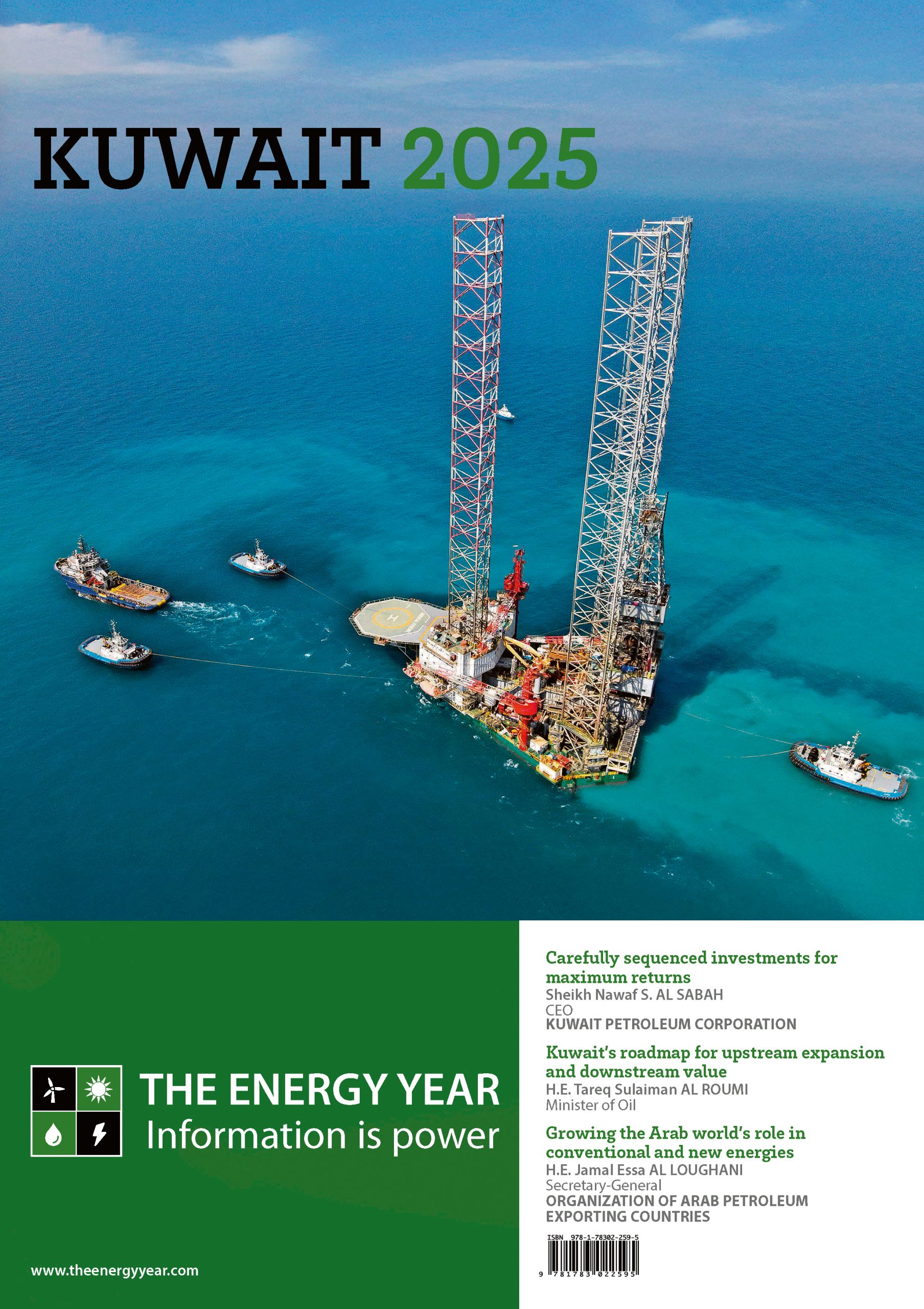
The Energy Year Kuwait 2025
The Energy Year Angola 2025
The Energy Year Nigeria 2025
The Energy Year Saudi Arabia 2025
The Energy Year UAE 2025