
bp’s continued commitment to Kuwait
August 1, 2024 Kuwait


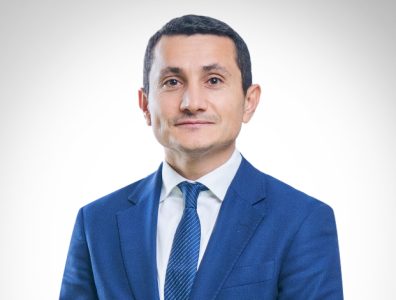
Anar Aliyev, bp’s country head for Kuwait and Qatar, talks to The Energy Year about bp’s long-standing commitment to Kuwait’s hydrocarbons sector, Kuwait’s current standing in the global oil and gas sector, and the company’s partnership schemes for knowledge transfer and sustainable development. bp is a multinational integrated energy company.
This interview is featured in The Energy Year Kuwait 2024
What is bp’s involvement in Kuwait’s key hydrocarbons undertakings?
The relationship between bp and Kuwait is long-standing and multifaceted. bp was one of the founders of the original Kuwait Oil Company (KOC), which first discovered oil at Burgan in 1938. Years later, bp was the first oil company to be invited by the Kuwaiti government to assist in the redevelopment of Kuwait’s oil industry in 1992.
Today we are entrusted with the country’s most strategic asset, the Greater Burgan field, which accounts for about 50% of the country’s total output. We participate through an enhanced technical service agreement (ETSA) with KOC, under which we provide support to sustain production, develop capabilities and deploy new technologies.
In 2018, bp signed a five-year technical services agreement with Kuwait Integrated Petroleum Industries Company (KIPIC) to develop and implement an operational readiness programme for the Al Zour complex – one of the largest capital projects in Kuwait. Now that the LNG import terminal and refinery are fully operational, we can say that it was a successful partnership, in which bp had brought experts from different refineries worldwide to deliver industry-best practices and technologies to help KIPIC achieve the equivalent of bp conformance in the areas of safe, reliable and efficient performance.
In addition, bp lubricants – represented through the bp and Castrol brands – has been long established in Kuwait with a significant market share, which is distributed by local partners. Our trading and shipping organisation also has a strategic relationship with Kuwait Petroleum Corporation (KPC), and we are a material buyer of petroleum products from Kuwait.
bp is privileged to have had a close strategic relationship with the State of Kuwait for more than 85 years, and I look forward to seeing the exciting possibilities ahead for the next 100 years.
Can you give us a brief assessment of Kuwait’s current standing in the global oil and gas sector?
Kuwait is the 10th-largest oil producer and a long-standing OPEC member that boasts vast hydrocarbon reserves and is a major reliable exporter. KPC, through its 2040 strategy, targets to achieve a crude oil production capacity of 4 million bpd in 2035 and non-associated gas production of 2 bcf per day [56.6 mcm] by 2040.
Investing in new projects, optimising existing assets and deploying new technologies will be critical, especially with fields maturing, the future reservoirs becoming more complex and activity levels significantly increasing.
bp is committed to providing its professional expertise from managing super-giant fields, proprietary technology and proven business practices to support KOC in achieving its short-, medium- and long-term production targets.
Can you walk us through bp’s strategy to become a greener player and how you can help KOC decarbonise its operations?
In 2020, we set out a strategy to transform bp from an international oil company into an integrated energy company, one that meets the needs of today’s energy system with increasingly lower emissions while helping to build tomorrow’s.
We also set the ambition to be a net-zero company by 2050 or sooner and to help the rest of the world reach net zero underpinned by sustainability aims. Over the past four years, we’ve made real progress.
As an example, between 2019 and 2023, we reduced our operational emissions by 41%. We have also completed the deployment of our methane measurement approach – a combination of technology, modelling and solutions – across bp-operated upstream oil and gas assets. This was a significant technical achievement, and it will give us more and better data to help us keep our methane intensity down.
bp has outstanding science, technology and engineering capabilities, and we want to build and strengthen these as we continue our decarbonisation journey through a continuous exchange of best practices with K-companies to help decarbonise operations, especially in the Middle East and North Africa region, given bp’s significant footprint and progress made on its sustainability roadmap.
Would you provide us with a concrete example?
Earlier this year we hosted members of KOC leadership in the Khazzan field in Oman operated by bp. The objective of the visit was to showcase bp best practices and innovative technologies, such as green completions, which support the sustainability roadmap.
Let me briefly explain what green completions are. When you bring an oil or natural gas well into production after drilling, there might be flaring or substantial venting of methane from hydraulically fractured wells. Green completion, or reduced emissions completion (REC), employs special equipment to capture greenhouse gases produced during well completions and deliver them to pipes.
RECs can eliminate or significantly reduce flaring. They also reduce emissions of methane and other pollutants during the well clean-up. This is a technology that bp has brought to the region, and following the visit, KOC is very keen on implementing green completions in its operations. This is a great example of reducing emissions and monetising the gas.
How is bp helping KOC sustain crude production?
The objective of bp under the ETSA contract is to provide KOC with a solid and integrated understanding of the opportunities and plans for maximum hydrocarbon recovery from Greater Burgan, based on an integrated subsurface framework and incorporating historical changes managed through the existing or proposed wells and facilities network.
bp has made a significant contribution to KOC’s strategic objectives and added significant value to help sustain Greater Burgan production through continuous operational and business improvements. Through 2017-2023, bp and KOC have made major steps in both fundamental reservoir understandings and development opportunities and the deployment of technologies leading to significant production delivery from new wells, workovers and rigless activity supporting the delivery of KOC’s strategic targets.
As with other giant field developments that bp has led, the Greater Burgan field is now in a period of optimised operations, and we are addressing the challenges that come with rising field and reservoir complexity and the costs from increased activity and managing increasing field water cut. The next decade is critical for the field and will require developing and sustainably embedding fit-for-purpose solutions to overcome the recognised challenges.
What is your assessment of the arrangements in place between the NOC and IOCs in Kuwait, and what could be the benefits of changing them?
Today we participate through an ETSA with KOC. KOC is looking into options that can improve international oil companies’ partnerships with KOC, with the objectives of improving the effectiveness and impact of the IOC’s role in the development of KOC’s oil and gas portfolio and supporting its strategic objectives. We stand ready to deepen the strategic relationship for mutual benefit.
What are the key focus areas in bp’s growth strategy?
bp’s new strategy has three focus areas: resilient hydrocarbons, convenience and mobility, and low-carbon energy, which together make an integrated energy company. The three strategy focus areas have five growth engines comprised of bioenergy, convenience, EV charging, renewables and hydrogen.
Since setting out the strategy in 2020, strong progress has been made across each of the three parts of the strategy and growth engines, and the company is on track to meet the targets set for 2025. bp’s acquisition of Archaea Energy, a leading US biogas producer; TravelCenters of America, a leading travel centre operator; and full ownership of Lightsource bp – one of the world’s leading developers and operators of utility-scale solar and battery-storage assets – are great examples of bp’s strategy in action.
What is bp’s current corporate status in Kuwait?
Until last year, bp did not have an investor licence and operated through a sponsorship arrangement in Kuwait. The Kuwait Direct Investment Promotion Authority (KDIPA) did not exist at the time we entered into a sponsorship agreement.
To meet KDIPA and KPC guidelines for entities in the oil sector, we engaged with KDIPA to explore the option of obtaining our investor licence and managed to successfully secure all approvals and establish a new company in August 2023. The new company is fully operational now and its establishment has resulted in greater flexibility and cost efficiency and enhanced our ability to interact with key stakeholders directly.
Establishing permanently in Kuwait and obtaining an investor licence is a great example of bp’s long-term commitment to Kuwait and its support for its development goals.
How committed is bp to the development of Kuwaiti human capital?
People development is a core component within the bp ETSA contract. We support KOC in meeting its key business objectives and strategic goals, equipping people to perform at their best.
bp supports KOC staff competency development, offering a broad range of learning tools, resources and expertise in coaching and capability development, but I would like to particularly highlight the great success story related to the secondment of KOC employees to bp hubs outside of Kuwait and the opportunities they have had to be immersed in an IOC environment.
During the secondment, each secondee receives a detailed on-job learning plan matching the individual development requirements for the whole duration of the secondment. They are designated a dedicated and experienced bp staff member who oversees the secondee’s activities and progress on deliverables, acts as coach and single point of contact and accountability and delivers a monthly and final report summarising learnings and achievements of the secondee, as well as recommendations for further development.
Since the beginning of the ETSA contract in 2016, we have placed a significant number of KOC employees in various bp locations. Just last year we had six secondments into the bp businesses in Azerbaijan, Oman and the United Kingdom from KOC operations, drilling and field development. It’s fantastic for KOC staff to have the opportunity to be immersed in an IOC environment, and upon return from the secondment, transfer the knowledge and learnings to colleagues and contribute to wider KOC strategic goals.
Read our latest insights on:
More content from Kuwait





Latest Reports


The Energy Year Oman 2026
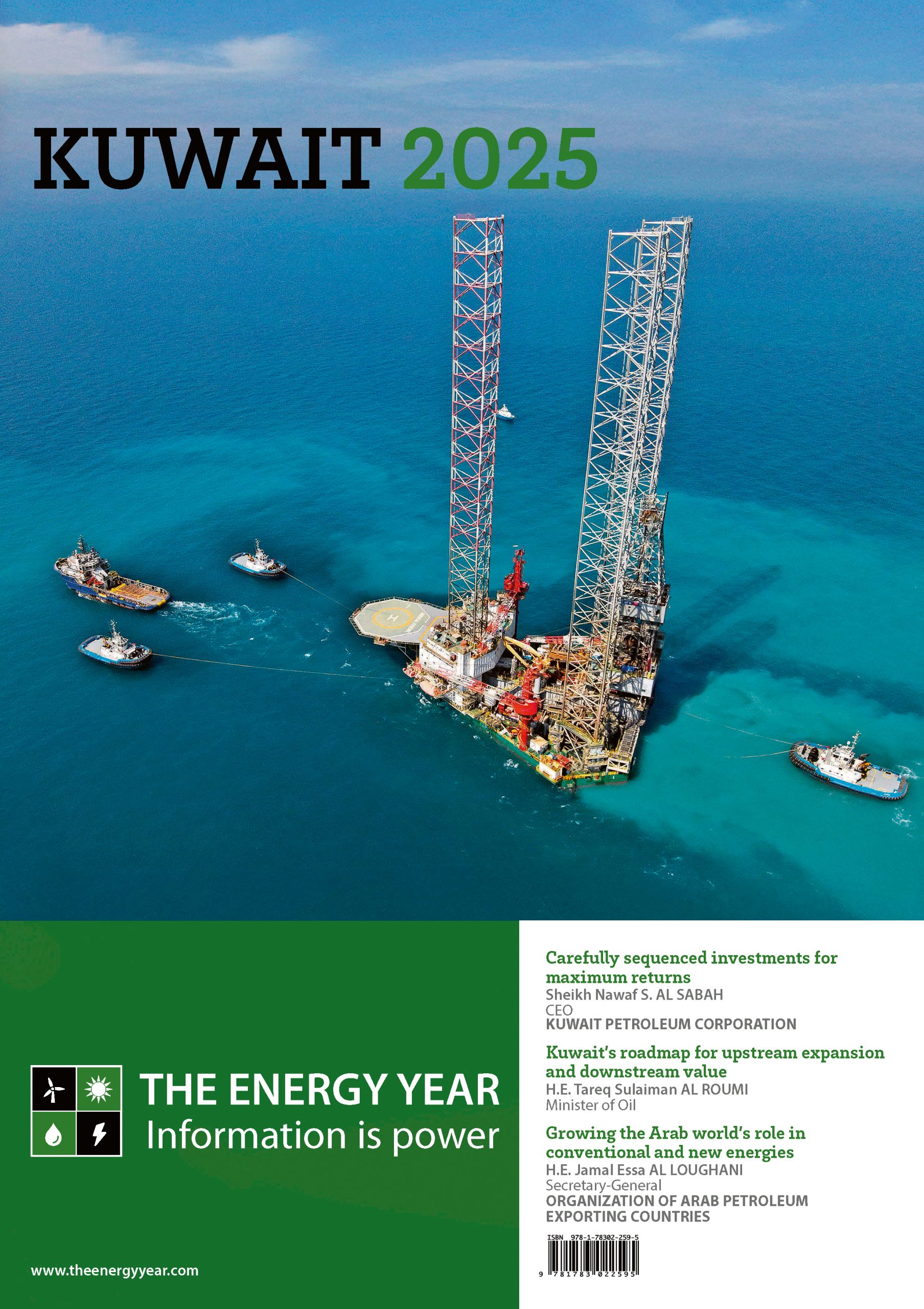
The Energy Year Kuwait 2025
The Energy Year Angola 2025
The Energy Year Nigeria 2025
The Energy Year Saudi Arabia 2025
The Energy Year UAE 2025