
Building a central hub for LPG in Nigeria
October 23, 2024 Nigeria


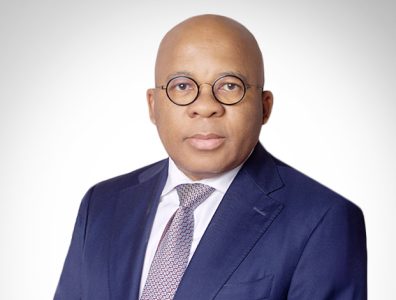
Chibuike Achigbu, CEO of Chimons Gas, talks to The Energy Year about the Triansel Gas project located in Koko, Delta State and how the company is working to adapt to current market instabilities. Chimons Gas is an indigenous oil and gas company operating in Nigeria’s upstream and downstream sectors.
Can you tell us about the status of the Koko LPG terminal?
The Koko LPG terminal is a project that involves the construction of an LPG loading and receiving terminal. It will have an estimated storage capacity of 5,500 tonnes and an output capacity of 156,000 tonnes of LPG per year and is situated in the Koko area of Delta State. The terminal is expected to run as a 24-hour operating terminal with minimum safety risk to all.
The architectural design will be a state-of-the-art LPG terminal that will be fully equipped to accommodate medium-sized vessels, facilitating the handling of an estimated 6,000 tonnes per day, 180,000 tonnes monthly and 2.16 million tonnes annually once completed.
Triansel Gas was set up as a special purpose vehicle by Chimons Gas and the Nigerian Content Development and Monitoring Board.
We commenced with the project in 2021. It is now in its final stages. The project is 90% complete and will serve as a central hub for LPG trucks arriving from inland areas for the nation and West Africa at large.
However, we have faced economic instability, which has pushed back the expected date of completion from 2024 to 2025. This has led us to cautiously manage the volumes we push into the market.
The region where we operate in Koko is like a swamp. It is difficult for vehicles to access the area. You must take a barge to the point that is accessible by vehicles.
The development of midstream infrastructure is essential, yet the IOCs have been slow to invest, citing insufficient production levels in regions such as Koko. For example, the ANOH Gas Processing Plant in Imo State, developed by AGPC [ANOH Gas Processing Company], has faced delays for over 30 years.
How is Chimons Gas adapting to current market instabilities?
Being one of the main LPG offtakers of Nigeria LNG (NLNG), we are affected by the issues of the sector. We can only distribute the amount we are given. Their production is currently experiencing a slowdown, not due to a lack of capacity but because of insufficient gas supply.
NLNG, being a processing company, can only produce based on the amount of gas they receive. So, if their gas supply decreases, their production output will inevitably drop.
This is a challenge faced by many companies in the gas sector. NLNG is actively working on developing additional gas assets, and whenever possible, they receive supplementary supplies to mitigate the impact.
NLNG is also optimising its six processing units to bolster supply. These efforts are crucial, as they directly impact our operational capacity. However, despite these initiatives, penetrating the market further remains a challenge.
In terms of boosting our volume to the market, we are exploring gas importation to supplement local demand. Considerations were made to leverage our terminals for imports, but delays have hindered our import capabilities for now.
Importing gas is not ideal for national energy security, especially for a country such as Nigeria, which holds substantial gas reserves but utilises less than 40% of its production capacity. The development of these reserves is crucial, yet the timeline for significant improvement remains long – any new initiatives would require three to four years to yield substantial results.
Could you describe the impact of gas-flare projects on your operations?
Over the years the gas sector has faced several challenges related to gas-flare projects. Many companies that received government licences to capture flared gas are encountering difficulties with the owners of the underlying assets. The success of these projects largely depends on the cooperation of the asset owners. If you do not control the assets, your operations can be significantly impacted by the decisions and actions of those who do.
Another issue is the underutilisation of government-owned assets. There is an urgent need for a more efficient distribution of these idle assets to companies that can put them to productive use. Ultimately, controlling the source of our LPG supply is crucial for our operations. As a result, we are actively investing in acquiring our own assets to ensure a stable and reliable supply chain.
What is your strategy to capitalise on the growth in LPG demand?
Our initial strategy was focused on retail marketing, which involved us setting up very large gas retailing plants located in three major cities to sell LPG and gas accessories. However, we expanded the scope, which birthed the Triansel Gas project in Koko, which provides major LPG storage facilities. Upon completion it will allow us to be a major player in the midstream sector.
From this base, we plan to venture into the midstream sector. We have considered two approaches: either securing our own gas supply or investing in midstream infrastructure, where another entity supplies the gas while we manage the midstream operations.
When you are processing gas, there are different ways to handle it. In Nigeria, we have one mini-LNG plant, which allows for some opportunities. If some of these assets can be better distributed to be productive, and we begin to convert them, it’s going to create jobs and wealth and add value to the economy.
Read our latest insights on:
-

-

A new opening for African gas
INTERVIEW -

More content from Nigeria


Latest Reports


The Energy Year Oman 2026
The Energy Year Kuwait 2025
The Energy Year Angola 2025
The Energy Year Nigeria 2025
The Energy Year Saudi Arabia 2025
The Energy Year UAE 2025