
in figures
Production capacity of NGHC's green hydrogen plant at Oxagon:600 tonnes per day
Planned on-site solar and wind generation capacity4 GW
Saudisation rate of NGHC’s hydrogen operations:60%
Total length of NEOM's smart sewage collection network:2,500 kilometres
Innovating energy: the NEOM experiment
June 6, 2025 Saudi Arabia


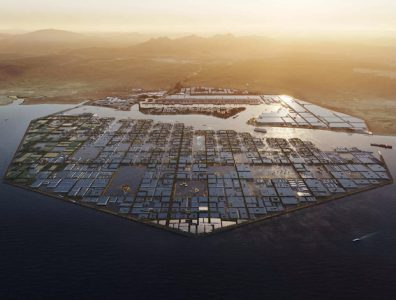
Saudi Arabia’s NEOM development has become a magnet for capital investments in clean energy infrastructure. With its planned green hydrogen mega-plant, circular consumption systems and ambitious renewables capacity targets, NEOM is poised to set a global precedent in planned urban development and clean energy investment.
Saudi Arabia’s flagship NEOM mega-city is a protagonist within the Vision 2030 development programme, the country’s roadmap for diversification away from fossil fuels and towards a leadership position for the country in green energy development. The massive project – spearheaded by Saudi Arabia’s sovereign wealth fund PIF – is also a pillar of the Saudi Green Initiative, the national sustainability programme aimed at combating climate change.
Construction of the NEOM complex began in 2021. Its first residential areas were finished in 2022, and the first university campus in 2023. The metropolis is projected to span 26,500 square kilometres along the Red Sea coastline of Saudi Arabia, Egypt and Jordan and to accommodate up to 9 million residents upon completion.
The NEOM development plan consists of 10 distinct zones, including Oxagon, an advanced industrial city and port; Trojena, a mountain ski resort that is slated to host the 2029 Asian Winter Games ; Sindalah Island, a luxury resort district; Leyja, a reimagined natural ecotourism area; and Aquellum, a subterranean tourist destination. All of NEOM’s districts are expected to run on renewable energy sources.
The giant residential and entertainment complex is also acting as a key attractor for collaboration, including with large domestic conglomerates. “We focus on Saudi Arabia’s western belt – from NEOM to Jeddah – where major multi-billion-dollar projects are underway, aligned with Vision 2030,” said Mohammed Ashif, President and CEO of Expertise Closed Joint Stock Company. “We are bringing significant value to this area of Saudi Arabia, particularly in NEOM, which is far larger than many European cities.”
NEOM’s HYDROGEN HORIZON: A cornerstone of NEOM’s sustainability agenda is a 600-tonne-per-day green hydrogen plant planned for Oxagon. Construction of the facility is being overseen by NEOM Green Hydrogen Company (NGHC), a joint venture between NEOM, ACWA Power and US-based gases and chemicals company Air Products. “At ACWA Power, we are proud to be pioneers in the hydrogen industry.” Marco Arcelli, CEO of ACWA Power, told The Energy Year. “We have invested nearly USD 5 billion with our partners, and the project is expected to begin production by the end of 2026.”
The hydrogen development reached full financial close in May 2023, securing USD 8.4 billion in investment, including USD 6.4 billion in non-recourse financing from 23 domestic and international banks and financial institutions. Upon close, Air Products signed a USD 6.7-billion agreement to serve as the facility’s lead EPC contractor. The first set of the 250 wind turbines that will be installed was delivered in November by Shanghai-based manufacturer Envision Energy, and NGHC signed a 10-year R&D agreement with Germany’s ThyssenKrupp for electrolyser technology.
The project is set to establish NGHC as the world’s largest hydrogen producer once operations begin, with a planned output of 600 tonnes per day of carbon-free hydrogen from a 2.2-GW electrolyser. Production will be powered by 4 GW of on-site solar and wind energy and is designated for export under an exclusive long-term agreement with development partner Air Products.
CLEAN POWER, NEOM-STYLE: To meet the ambitious target of having 130 GW of renewable energy capacity by 2030, Saudi Arabia grew its renewable energy capacity from 0.03 GW to 3 GW between 2015 and 2023. Major renewables developments are pushing capacity further, such as the 600-MW Al Ghat onshore wind farm in Riyadh, which is set to become the largest of its kind upon commissioning in 2026.
In 2022, NEOM launched its subsidiary company ENOWA to build sustainable energy and water systems. It is estimated that NEOM will require renewable generation capacity of up to 55 GW to meet its massive power demands, and the expectation is that the majority will be sourced from local facilities. The proposed 1.2-GW Gayal wind farm is emerging as one possible source, with Egyptian contractor Orascom and PowerChina having shown interest in developing the project.
CIRCULAR BY DESIGN: NEOM will also serve as a hub for advancing circularity principles. World-class water and wastewater treatment networks will deliver water to all residents and businesses, and the city will feature 2,500 kilometres of smart sewage collection networks as part of its strategy for 100% wastewater reuse. Additionally, NEOM plans to equip its desalination plants with systems to produce industrial-grade salt, magnesium and potassium for domestic use and export.
Beyond wastewater management, the NEOM project envisions a giant circular community, including a modern transport network to replace conventional vehicles, AI-optimised automated waste removal trucks and vertical city planning aimed at reducing urban sprawl and ecological impact. R&D towards more circular practices will be carried out at the NEOM Innovation Hub and its Center of Excellence.
SMART CHANGE, REAL IMPACT: Beyond its technological ambitions, NEOM is expected to deliver significant social and economic benefits for the population, including the creation of approximately 380,000 new jobs, of which many in clean energy, digital technology and other focus segments of Vision 2030. The project is already making a significant impact, with its development workforce expected to exceed 200,000 in 2025.
The project also aligns with Saudi Arabia’s localisation strategy. NGHC’s hydrogen operations currently maintain a Saudisation rate of 60%, a percentage that is expected to rise as the project moves beyond its commissioning phase.
Many local business leaders view NEOM as a major catalyst for heightened domestic economic activity and diversification away from hydrocarbons. As noted by Mohammed Al Naimi, CEO of industrial equipment provider ACT Group, “Partnerships can bring us opportunities to grow our footprint in Saudi Arabia in mega-projects such as NEOM, Qiddiya and The Red Sea project. By partnering with these developments, ACT can support the growing demand for logistics outside the oil and gas sector.”
Read our latest insights on:
More content from Saudi Arabia




Latest Reports


The Energy Year Oman 2026
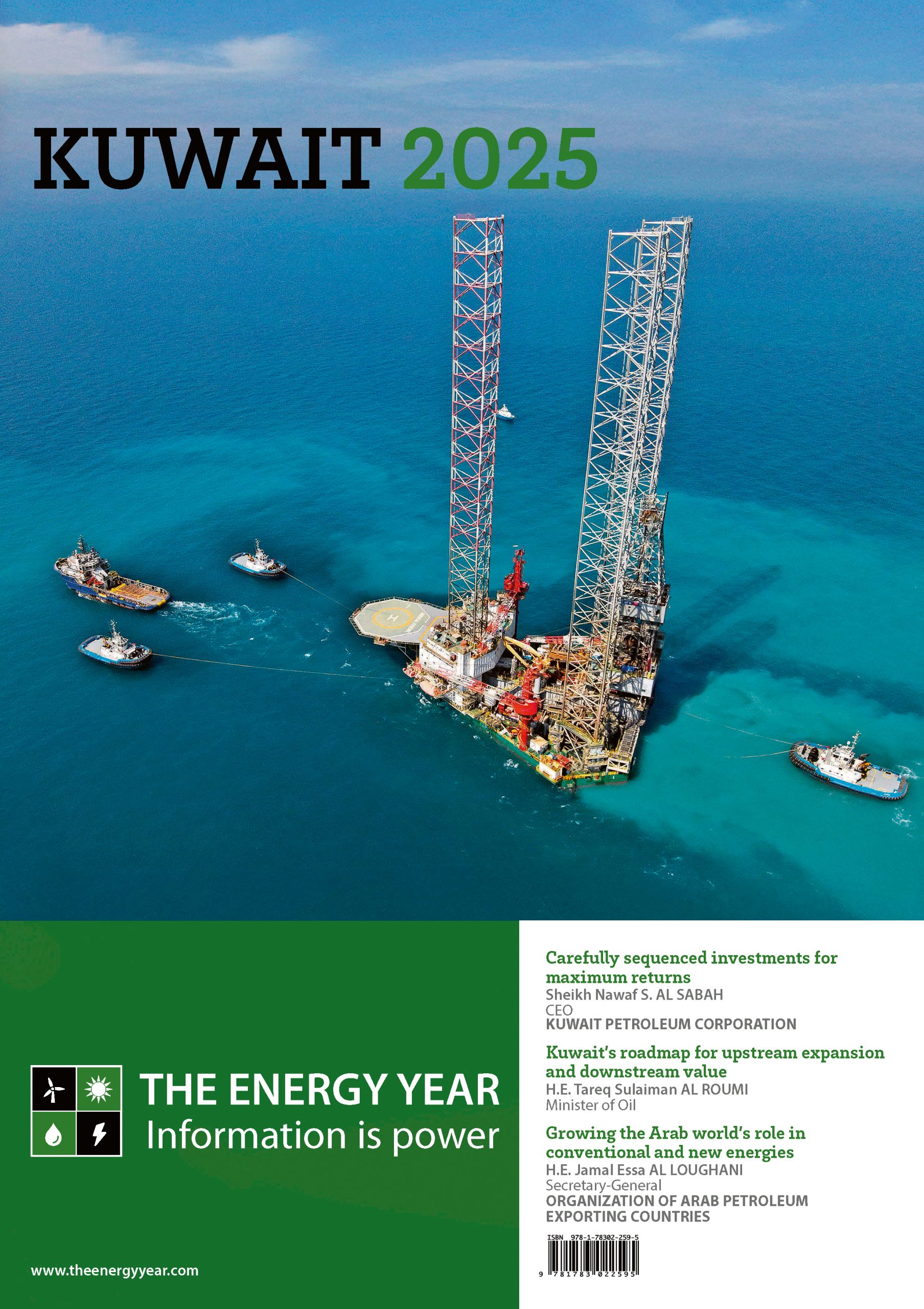
The Energy Year Kuwait 2025
The Energy Year Angola 2025
The Energy Year Nigeria 2025
The Energy Year Saudi Arabia 2025
The Energy Year UAE 2025