

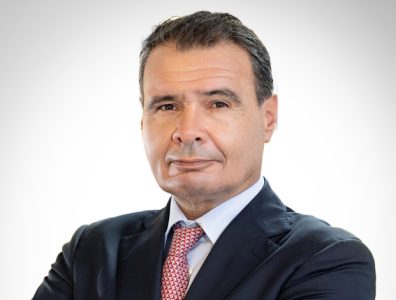
International expertise for Mozambique’s energy sectors
September 6, 2024 Mozambique


Paulo Reis, managing partner and assurance leader for EY in Mozambique, talks to The Energy Year about bringing international best practices to Mozambique and the role PPPs can play in infrastructure development. EY is a global professional network that offers a wide range of corporate services in more than 150 countries.
How do you assess the current state of the Mozambican economy?
EY sees reasons for moderate optimism in Mozambique’s growth prospects. The global forecast of around 5% growth is encouraging, and any slowdown in inflation would be a welcome development. However, some hurdles remain.
The ongoing military situation, the upcoming elections and the formation of a new government created a wait-and-see atmosphere that could temporarily slow down projects. This is a natural response during periods of change. Additionally, global uncertainties due to geopolitical conflicts influence investor sentiment in Mozambique.
The future isn’t solely dependent on energy projects. Agriculture, for example, offers substantial opportunities for investment. Nonetheless, there’s much anticipation surrounding a potential decision by TotalEnergies to resume exploration and by ExxonMobil to announce a FID, both of which would significantly boost short-term growth.
The energy sector itself holds promise, despite challenges in public access and network resilience. The country’s investments in dams have bolstered generation infrastructure. By developing its production and distribution network, Mozambique can not only address its own energy needs but also become a regional energy exporter, potentially supplying power-hungry neighbours such as South Africa.
What else would Mozambique need to become a regional energy supplier?
Mozambique’s hydropower potential is undeniable. However, for it to truly benefit the population, investments are needed in distribution and commercialisation assets. This presents a unique opportunity to integrate renewable energies and traditional sources. While the financial resources required are significant, the potential benefits are worth exploring.
The government has recognised the need for partners with strong financial capabilities and is promoting PPP schemes to attract investment. Mozambique’s high interest rates make it costly to mobilise capital domestically, so attracting partners with access to financial resources is crucial. Building partnerships takes time, but the government’s commitment is clear.
EY believes Mozambique’s true untapped wealth lies in its people. More than half of the population is under 25, and investing in education could bring huge returns. A skilled Mozambican workforce would greatly boost the domestic economy and, since developed economies with ageing populations face labour shortages, skilled labour could also be a valuable future export. Mozambique’s potential is undeniable, and EY is confident in the country’s long-term prospects.
Could you share some insights that emerged from EY’s 2024 CFO survey?
Our survey focused on the financial sector, particularly banking and insurance. Regulation was a key concern, and rightfully so. Mozambique has regulations in place to combat money laundering and terrorist financing, but our respondents expressed that more could be done in this context.
Our findings prompted the government to launch a remediation plan. Digitalisation also emerged as a major concern, as it would allow banks to offer better services and reach a wider client base.
Despite these issues, the financial sector has demonstrated positive progress. Mobile money platforms such as M-PESA have witnessed significant growth in transaction volume, and traditional banks such as BCI and BIM are expanding their ATM and branch networks across the country, making banking services accessible in remote areas and improving financial inclusion outside major cities.
How can consulting companies support Mozambique’s growth ambitions?
The consulting sector can play a vital role in supporting Mozambique’s development by bringing best practices and international expertise. EY firms across our network collaborate and share knowledge to obtain the best results.
A few years ago, we audited recoverable costs for the National Petroleum Institute leveraging the expertise of our Angolan colleagues. This collaborative approach allows international firms such as EY to help local entities capitalise on emerging opportunities.
Large and established companies are accustomed to working with consultants, and traditional services such as audits are well-established in the Mozambican market. Competition is high. However, newer services such as cybersecurity are still finding their footing.
Government and public entities in Mozambique rely heavily on donor funding from multilateral organisations such as the UN and the World Bank, and bilateral country partnerships. These arrangements are complex and generally require the participation of external consultants such as ourselves. Overall, there is a strong appreciation for the value consultants bring.
What improvements could be made to local content laws in Mozambique?
Local content is a complex balancing act. We recognise the need to protect local businesses from being overshadowed by larger, more experienced international firms. However, local participation shouldn’t come at the expense of quality.
A dogmatic approach that imposes quotas is not the best solution. Mozambican participation should be favoured when it allows firms to gain exposure to real-world dynamics that improve their ability to compete. EY believes that the best approach is an adaptive one that focuses on developing the capabilities of local businesses and strives for continuous improvement.
What will EY be focusing on in the next five years?
As a multinational firm, EY naturally aspires to be involved in Mozambique’s biggest projects. However, our strategy isn’t limited to large-scale endeavours. We maintain a diverse client portfolio and strive to dispel the notion that we only serve large companies.
We believe in supporting entities across the board, from established players to new entrepreneurs and family-owned SMEs. Budding businesses hold the potential to become tomorrow’s leaders and drivers of economic growth, and EY recognises the value of fostering their growth.
Read our latest insights on:
-

Project highlight: Mozambique LNG
PROJECT HIGHLIGHT -

-

Project highlight: Mozambique’s Central Térmica de Temane
PROJECT HIGHLIGHT
More content from Mozambique




Latest Reports


The Energy Year Oman 2026
The Energy Year Kuwait 2025
The Energy Year Angola 2025
The Energy Year Nigeria 2025
The Energy Year Saudi Arabia 2025
The Energy Year UAE 2025