

Investment for energy security, affordability and access
August 13, 2024 Kuwait


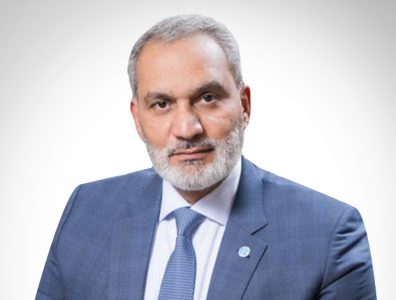
H.E. Haitham Al Ghais, secretary-general of OPEC, talks to The Energy Year about adjusting oil supply to foster stability in global markets and Kuwait’s indispensable role in OPEC’s past and present work. OPEC is an organisation of oil exporting countries that co-ordinates and unifies the petroleum policies of its members.
OPEC sees global oil demand rising to 116 million bopd by 2045. What main factors support this growth and is there enough supply?
The rise in global oil demand can be viewed in the context of increasing long-term energy demand. According to OPEC’s World Oil Outlook 2023 (WOO), global energy demand by 2045 is expected to rise by 23% and global oil demand is projected to increase by over 16%. Our research also expects that oil will remain dominant in the world’s energy mix at around 30%.
The largest incremental demand for oil is expected to come from the road transportation, petrochemical and aviation sectors, but the main factors driving demand differ between the non-OECD developing world and the OECD. While OECD oil demand declines, non-OECD oil demand growth is expected to increase significantly by almost 26 million bopd between 2022 and 2045.
Although OECD oil demand is projected to decline, it is interesting to note that projected 2045 levels in the WOO 2023 were still higher by 2.6 million bopd compared to the WOO 2022. This comes on the back of significant energy and economic developments, as populations glimpse what many initial net-zero policies and targets mean for them, and policymakers re-evaluate their approach to future energy pathways.
In the non-OECD, the expansion is driven by population growth, urbanisation, a growing middle class, robust economic growth and industrialisation, a shift from biomass to cleaner oil products, improved transport services, strong vehicle fleet growth and improved energy access. The largest contributions are set to come from India, China, Africa and the Middle East.
In terms of supply, there are clearly enough crude oil resources, with the world’s proven reserves at over 1.55 trillion barrels. The challenge is ensuring adequate levels of investment in an industry that is capital intensive and has long lead times. This is vital, as the products derived from crude oil remain essential for our daily lives.
OPEC+ has implemented multiple oil output adjustments in recent years. Can you walk us through the reasons for this and the expected outcome for producers and consumers?
OPEC+ remains fully focused on a balanced and stable oil market. This is always the goal. This is vital for producers, consumers and the global economy.
The voluntary production adjustments the group has implemented have proven beneficial in helping to achieve this goal, most vividly illustrated during the COVID-19 pandemic. The adjustments implemented during this period helped to pull the industry back from the precipice on which it stood and were rightly praised internationally.
Since then, undertaking adjustments in a spirit of co-operation has continued to contribute to the stability of the global oil market. Amidst several global economic uncertainties, OPEC+ producers have been proactive in making adjustments to help balance the market and foster stability. OPEC and its allies are routinely helping to deliver greater certainty for both producers and consumers alike, thereby positively impacting people’s lives across the globe.
This is crucial, as without market stability, investing, economic planning and budgeting become challenging. This in turn hinders countries’ ability to improve citizens’ lives, adversely affecting citizens’ economic well-being and quality of life.
The world is working on reducing emissions while ensuring energy security and affordability. How can OPEC help achieve these goals?
Fostering global energy security, delivering energy affordability, improving energy access and reducing emissions are all interconnected. Previously, many narratives focused solely on reducing emissions without addressing the need to ensure energy security and affordability. This is changing, however, with policymakers increasingly recognising the need to focus on all three elements.
In this regard, OPEC member countries are working hard to deliver further progress in all three areas. They are investing in upstream and downstream capacity, improving operational efficiencies, deploying vast expertise to reduce oil industry emissions and developing innovative technologies such as CCUS, direct air capture and carbon dioxide removal. They are also making major investments in renewables and promoting the circular carbon economy.
OPEC member countries are demonstrating through their actions that it is possible to deliver energy security, energy affordability, energy access and emissions reductions concurrently. This requires major investments in all energies and all technologies and an understanding of the needs of all peoples. This understanding will be vital in the years and decades ahead.
Is there a risk that underinvestment in hydrocarbons could bring market volatility?
This is an incredibly important issue that cannot be overstated. Talk of no new investment in oil projects has the potential to lead to energy chaos at a time when we need energy clarity, not energy chaos. Volatility would most definitely increase, causing additional negative impacts on consumers, producers and the global economy.
This clarity means understanding that underinvestment, not just in oil, but across all energies, is putting the viability of the whole energy system at stake. In the case of oil, persistent underinvestment certainly has the potential to trigger future market volatility if not adequately addressed today.
Shining a light on this worrying prospect, OPEC research sees a staggering oil market deficit of over 20 million bopd between forecasted rising global oil demand and supply by 2030 if investments into upstream activities stopped today.
For the oil industry alone, we see investment requirements of USD 14 trillion, or over USD 610 billion each year, between now and 2045. All industry policymakers and stakeholders need to work together to ensure a long-term investment-friendly climate – with sufficient finance available – that works for producers and consumers, as well as developed and developing countries.
How might the world look without crude oil and its associated products?
Crude oil is essential for the modern world, helping to meet almost one-third of global primary energy demand. It is the engine that drives the global economy and the backbone of today’s global energy supply.
Crude oil derivatives are also essential in manufacturing, agriculture and technology, to name but a few sectors, driving economic growth and job creation. In addition, many countries depend on petroleum revenues for economic stability and socioeconomic development.
It is not an exaggeration to state that without crude oil, the world would face major challenges. Transportation networks would collapse, hampering trade and mobility, while industries that are dependent on petrochemicals – including plastics, pharmaceuticals, and agriculture – would suffer severe disruptions.
Moreover, energy prices would skyrocket, straining economies and pushing millions into energy poverty, as alternative energy sources would struggle to meet even a fraction of global energy demand. For example, it is worth noting that wind and solar power today only provide around 4% of the world’s energy, while hydrocarbons still make up over 80% of the world’s energy mix.
Suffice to say, that crude oil and its associated products remain critical for humanity and will continue to be key for decades to come.
Kuwait was one of the five founding members of OPEC in 1960. What is your assessment of the role the country has played in the organisation’s history?
As one of the five founding members of OPEC, Kuwait helped to establish a collective vision for the organisation. Over the following decades, Kuwait has hosted several OPEC ministerial conferences and held the presidency on numerous occasions. All the governors and national representatives of the country have also played a proactive role in OPEC’s various technical bodies.
Furthermore, Kuwait has been central to several significant milestones in OPEC’s recent history. Notably, it chaired both the Joint OPEC-Non-OPEC Ministerial Monitoring Committee and Joint OPEC-Non-OPEC Technical Committee in the DoC’s [Declaration of Co-operation] inaugural year in 2017. These contributions have been instrumental in aiding OPEC and OPEC+ to navigate global oil market dynamics and achieve its objectives, for the benefit of producers and consumers alike.
Today, 64 years on from the Baghdad Conference, and eight years on from the signing of the DoC between OPEC and non-OPEC oil-producing countries, Kuwait’s contributions to OPEC stand as a testament to the country’s unwavering dedication to the organisation’s goals and principles.
As OPEC continues to navigate a complex energy landscape, Kuwait’s active participation in the organisation’s key decisions, negotiations and production adjustments remains indispensable. In this respect, I am certain that Kuwait will continue to be as integral to OPEC’s future as it has been to its past, under the wise and able leadership of H.H. the Emir Sheikh Mishal Al Ahmad Al Jaber Al Sabah.
Read our latest insights on:
More content from Kuwait




Latest Reports



The Energy Year Oman 2026
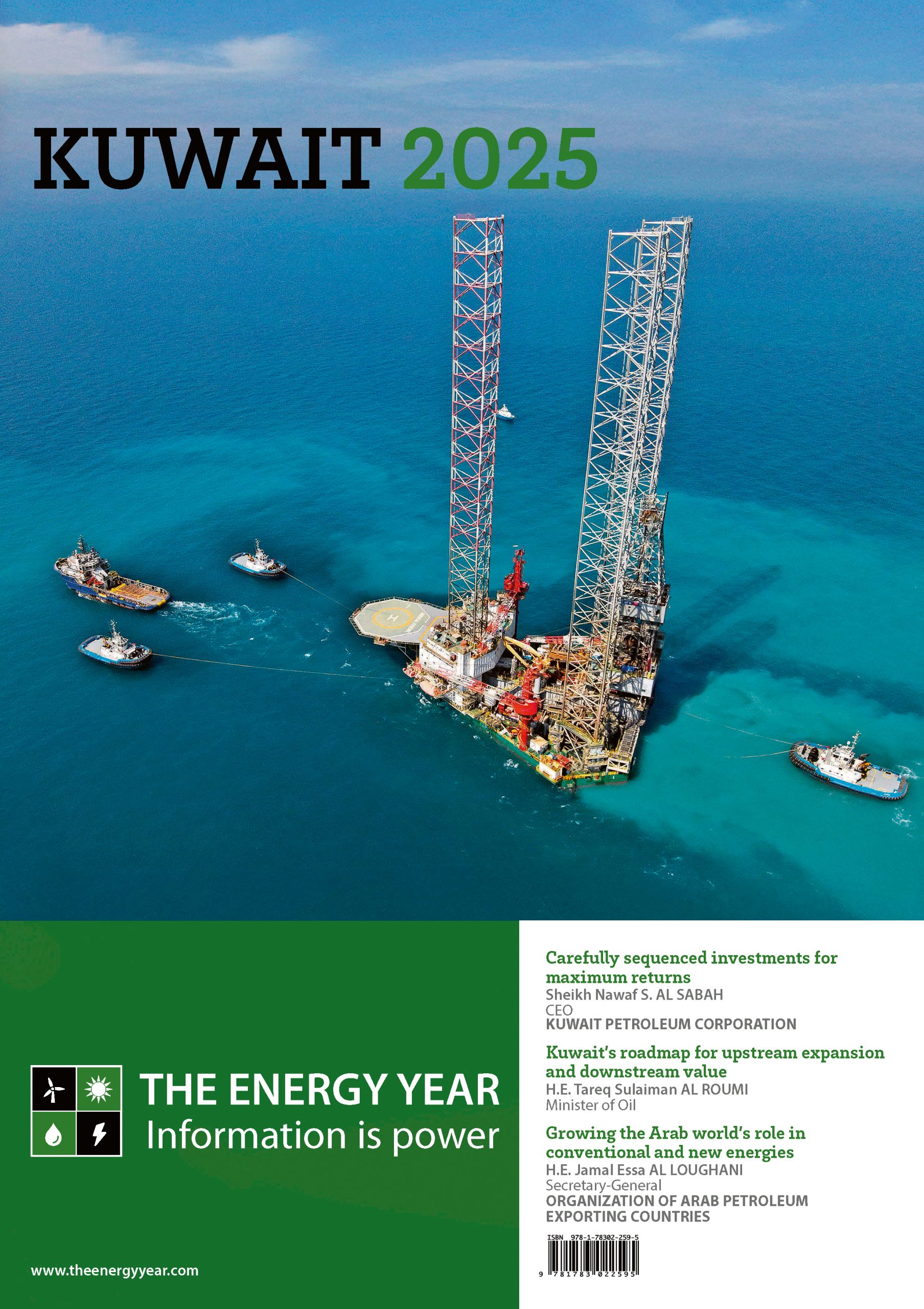
The Energy Year Kuwait 2025

The Energy Year Angola 2025

The Energy Year Nigeria 2025

The Energy Year Saudi Arabia 2025

The Energy Year UAE 2025