

Kuwait is fertile ground for green finance and PPPs
July 28, 2025 Kuwait


Ali H. Khalil, CEO of Markaz, talks to The Energy Year about how government reforms are boosting investor confidence in Kuwait and the region's growing appetite for green finance and energy transition projects. Markaz is a Kuwaiti asset management and investment banking firm.
How attractive would you say Kuwait is for foreign investors?
Kuwait has shown remarkable market resilience. So far in 2025, the stock market is up more than 15%, making it the best performer in the GCC and among emerging markets. This is a testament to institutional investor confidence. Government reforms focusing on improving security and social stability, and pursuing money laundering and corruption, are laying the foundation for a more robust investment climate in Kuwait. The country is positioning itself as a safe, institutional-grade destination for foreign investment.
While many investment opportunities are not fully realised yet, signs are promising. BlackRock recently announced plans to open an office in Kuwait. They plan to launch data centres, as are Microsoft and Google, to serve the government. Kuwait is considering special legal structures to protect international data and data centres.
KDIPA [Kuwait Direct Investment Promotion Authority] is allocating land for industry, and real estate development and mortgage laws are in the final stages and expected to be passed by Q1 2026, which will lead to a boom in housing projects and support affordability. Infrastructure development across data, housing and utilities is gaining momentum. Bank shares are rallying in anticipation, reflecting market optimism.
What is your view on the evolution of Kuwait’s oil and gas sector, and how is Markaz participating?
We offer research, advisory and direct investment support. We produce in-depth research on the domestic and GCC markets, advise foreign entities entering Kuwait and invest in companies poised to benefit from changes in the oil and gas landscape. Our integrated, 360-degree approach ensures we are not just observers but participants.
As one of Kuwait’s largest fund managers, we look for firms that will gain from the government’s upstream investments. We support them through public offerings and inclusion in funds, creating a feedback loop that strengthens the sector and benefits our clients.
What role do you envision for SMEs in Kuwait’s oil and gas sector?
Kuwait needs to promote oil and gas SMEs, and we aim to offer support, particularly to those that are capital- and know-how-intensive. These businesses often lack access to banks and institutional financing, which we can provide.
This keeps us closely tied to the sector and enables Kuwait’s long-term efficiency in executing its energy strategy. SMEs are essential for maintaining momentum in the sector and ensuring a vibrant, local ecosystem.
Most SME founders are engineers or entrepreneurs transitioning from other employment, and they tend to operate with high-risk and high-return expectations. The biggest hurdle is institutionalising them by instilling robust governance practices, financial discipline and strategic planning. Another is getting KPC to extend preferential treatment to these players, especially in pricing, which would pay off in the long run.
How do you collaborate with KPC and its subsidiaries?
Our relationship with KPC and the K-companies is strong and multifaceted. They will benefit from our research, investment banking advisory and asset management.
KPC is attentive and committed to improving efficiency. I believe we will soon see them investing directly in SMEs and possibly listing some of their subsidiaries, following the lead of Saudi Aramco. That would mark a significant shift and validate a private-sector-driven approach that has proven successful elsewhere.
What role will green finance play in Kuwait’s future, and how do you see your involvement evolving?
The momentum for green finance is growing. Kuwait aims to generate 50% of its energy from renewables by 2050, and several renewables initiatives are under way. Warba Bank’s issuance of a USD 500-million sustainable sukuk (Islamic bonds) in 2024 and the issuance of a USD 500 million green bond by National Bank of Kuwait in June 2024 were key milestones.
However, for this segment to thrive, regulatory frameworks must lead. Goodwill alone won’t drive green bonds or sukuk. Once policy frameworks solidify, the financial ecosystem, including us, can become more involved in funding Kuwait’s renewable transition.
Does Markaz participate in any of Kuwait’s growing number of PPP projects?
PPPs are central to our expansion strategy; Kuwait must adopt PPPs for financial reasons and to boost project execution speeds and efficiency. We have pre-qualified for multiple real estate PPP projects and are now eyeing renewables.
We are forming alliances with private firms to pursue capital-intensive projects in housing, infrastructure and energy. Our position as a bridge between the public and private sectors allows us to advance this agenda effectively.
What do you make of IPO trends in the region, and what opportunities can they open?
The IPO momentum is sustainable. In 2024 alone, the region saw 53 IPOs – 23% more than in 2023. Beyout Holding was Kuwait’s first IPO since 2022, and companies such as Action Energy are also exploring listings.
This surge is driven by better market organisation, improved regulation and lower capital costs. For mega PPPs, capital markets are the only viable funding source and venue for investors’ exit. Demand for diversified securities is evident, and privatisation initiatives also require a strong IPO market.
Read our latest insights on:
More content from Kuwait





Latest Reports


The Energy Year Oman 2026
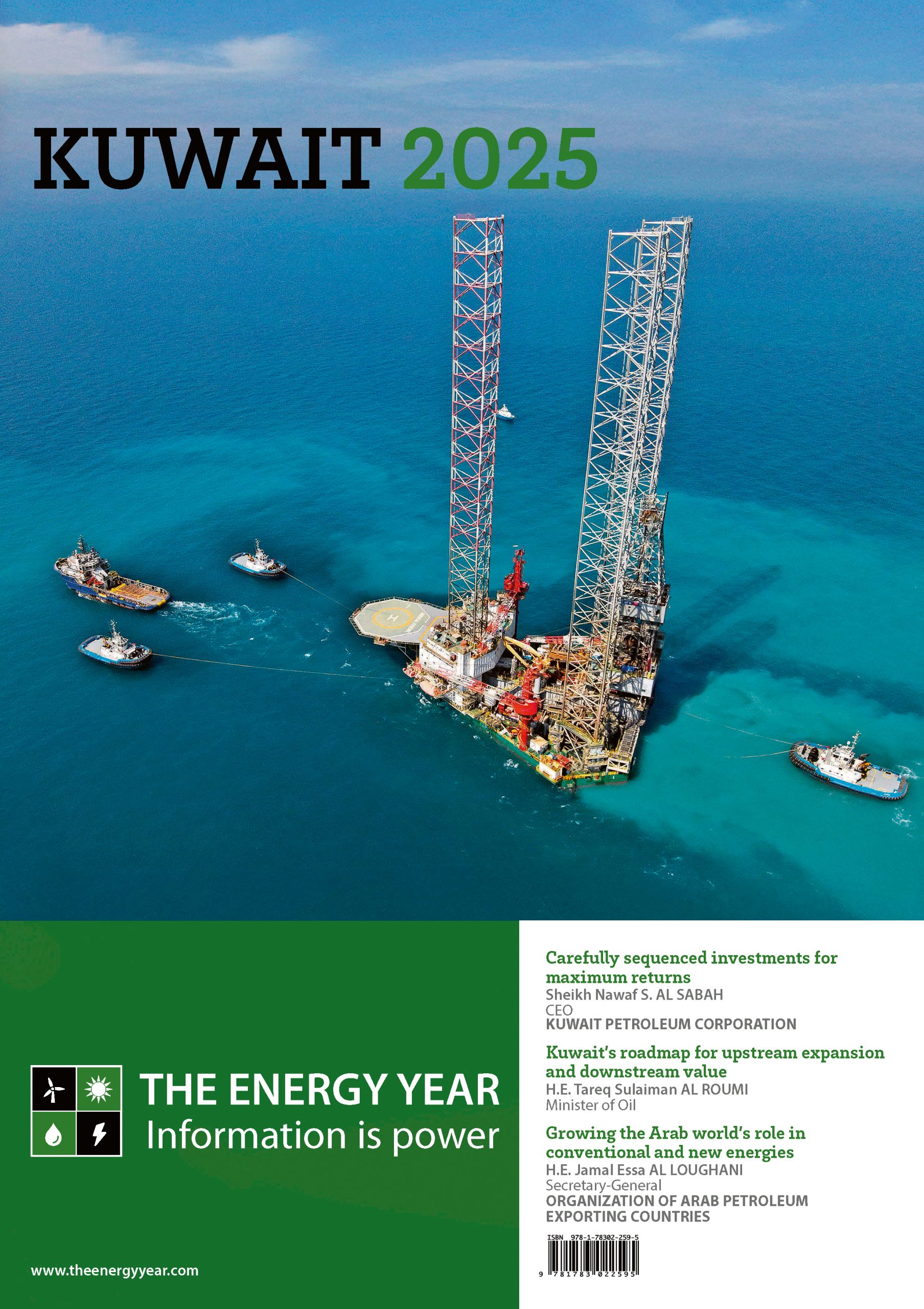
The Energy Year Kuwait 2025
The Energy Year Angola 2025
The Energy Year Nigeria 2025
The Energy Year Saudi Arabia 2025
The Energy Year UAE 2025