



Long-term career development in Mozambique
August 31, 2024 Mozambique


Sónia Silva and Nuno Rocha, managing directors of CONTACT, talk to The Energy Year about developing marketable skills among local workers in anticipation of Mozambique’s next wave of energy projects. CONTACT is a Mozambican human resources recruitment, staffing and training company.
Can you tell us about CONTACT’s evolution in the past few years?
Nuno ROCHA: It is important to note that we overcame the shock wave of the pandemic and still managed to increase our business during that time. In 2023, we gained new clients in banking and telecommunications, as well as NGOs, and we currently have international clients in the oil and gas sector.
We offer recruitment and consultancy services to the energy industry. Our engagements at the moment are small, not like in the old days. We are waiting for major projects to ramp up. Nonetheless, we’re experiencing significant growth. In 2023 we recruited more than 300 permanent employees and nearly 8,000 contractors.
These are good figures for a local company but we want to keep growing. For that, we need new investors and projects in the country because some of the services we provide are only sought by large or international companies.
What are the main HR challenges in Mozambique’s oil and gas sector?
Sónia SILVA: The main problem at the moment is that the demand for local labour is not growing. In the initial stages, oil and gas projects generally only hire international staff, so there’s no need for local recruitment and training. The moment they begin to need local workers, that’s when our business starts to run again. We need a new wave of projects and we’re optimistic it will come.
Is there a mismatch between the skills locals can supply and the skills projects demand and, if so, how can it be addressed?
SS: Mozambique has a vast untapped potential workforce. Aligning supply and demand requires attracting skilled professionals to the market and integrating the informal sector.
Only a small portion of the population currently contributes to the formal economy. For sustainable economic growth, we need significant job creation through large-scale projects that can bring unskilled labour into the job market for development and increase the number of taxpayers.
NR: We help bridge the gap between academic training and workplace requirements by equipping young graduates with essential soft skills such as communication, teamwork, problem-solving and professionalism, preparing them for success in the real world. Our targeted programmes last four or five days and teach students to navigate their workplaces effectively.
What is CONTACT’s growth strategy for the next few years?
NR: Our priority is to help the Mozambican economy regain its momentum. We can play a role, but we believe that restarting oil and gas projects is crucial for the country’s economic resurgence because the sector can act as a catalyst for development across other industries.
Our commitment extends beyond satisfying the immediate needs of the market. We’re dedicated to creating a positive legacy by empowering individuals. Through extensive campaigns, we actively fight against exploitative job placement practices so that young Mozambicans and those seeking career transitions can have access to fair opportunities.
Our ideal result is when former candidates become employers. We have had two or three cases where individuals have transitioned from our talent pool to become valued clients. That is the kind of long-term career development we aim for.
Read our latest insights on:
-

Project highlight: Mozambique LNG
PROJECT HIGHLIGHT -

-

Project highlight: Mozambique’s Central Térmica de Temane
PROJECT HIGHLIGHT
More content from Mozambique



Latest Reports


The Energy Year Oman 2026
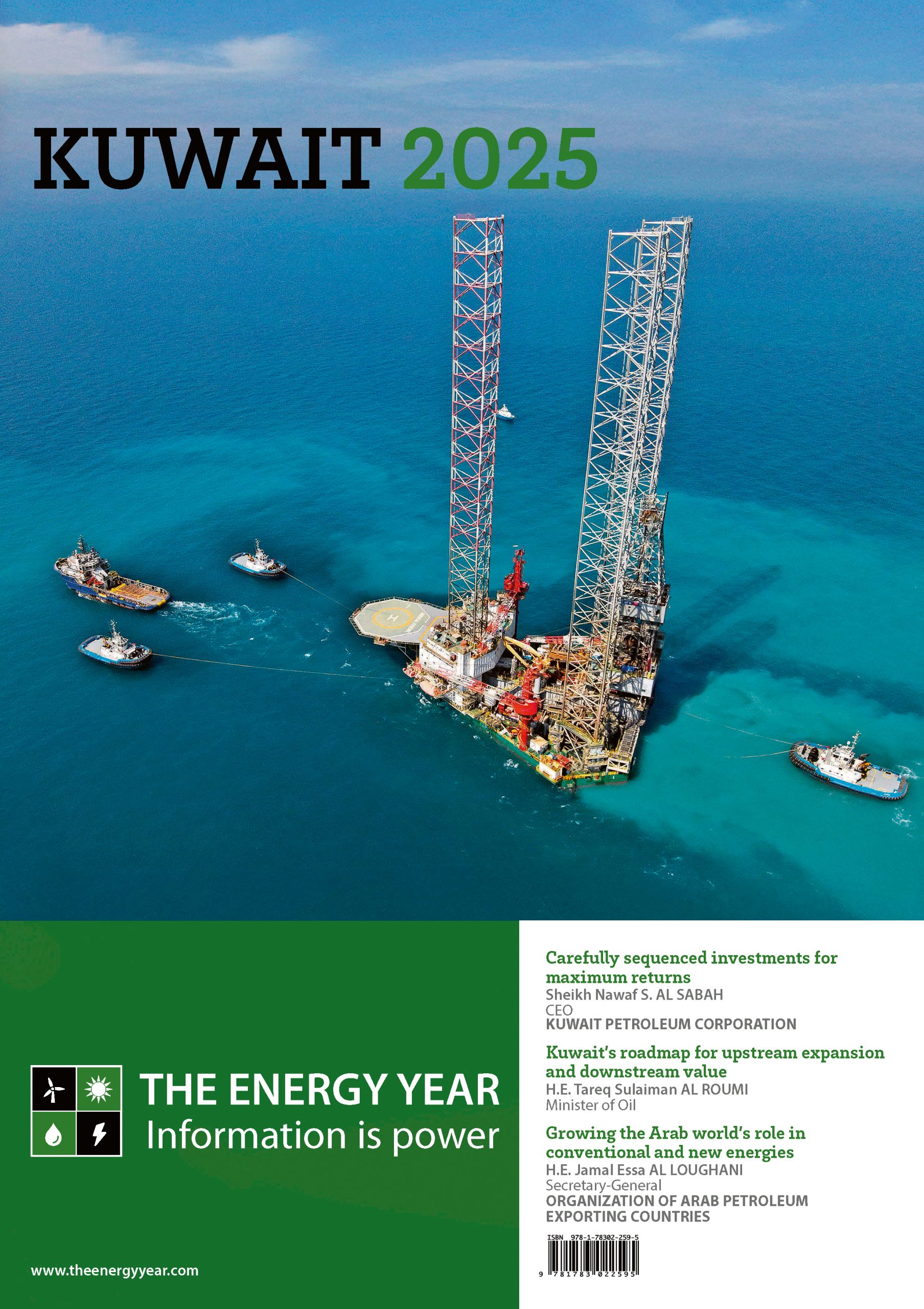
The Energy Year Kuwait 2025
The Energy Year Angola 2025
The Energy Year Nigeria 2025
The Energy Year Saudi Arabia 2025
The Energy Year UAE 2025