

Technology uptake for digital transformation in Mozambique
October 29, 2024 Mozambique


Gil Zhang, CEO of Huawei Mozambique, talks to The Energy Year about the company’s growing capabilities to deliver green energy solutions and promising developments towards the emergence of a national digital strategy for Mozambique. Huawei is a multinational provider of information communications technology (ICT) infrastructure and smart devices.
What opportunities do you see emerging from the Mozambican government’s goal to reach 100% electrification by 2030?
I’m very happy to see that the Mozambican government is encouraging more private companies to participate in green energy generation, as it opens new channels beyond traditional government partnerships. Private companies are showing strong interest, and several positive factors are coming together.
First, the cost of solar panels and lithium batteries is decreasing. Second, the government is actively promoting the green sector and FUNAE is supporting the development of off-grid power generation systems. Finally, private companies such as farmers and mine owners are being pushed by connectivity concerns to start generating their own power.
Do you find that the Mozambican market is receptive to new technologies and digital transformation tools?
Technology uptake in the Mozambican market is very positive, and government ministries actively promote it. We believe transformation requires a foundation built on the latest ICT technologies and a smart combination of information technology and communication technology, which is what Huawei can provide.
On the other hand, a national digital transformation development strategy is essential. A clearly delineated national digital transformation strategy can function as a reference point, offering a framework for decision-making, a means of prioritising national objectives and a guide to the allocation of resources towards desired outcomes. Furthermore, it can assist in navigating uncertainties, even during periods of change and challenge, and in strengthening stakeholder coordination and collaboration.
After more than 20 years in Mozambique, we are content and excited to see that this country is already on the way there, and we strongly believe that a highly defined strategy will come soon. Until now, the potential of this country has always been attractive to ICT providers, and the market will certainly be more dynamic to providers and competitors when a national strategy emerges.
How would you describe Huawei’s position within the Mozambican ICT sector?
In Mozambique’s ICT sector, Huawei serves mobile network operators such as Vodacom Mozambique, Movitel and Tmcel. This represents around 70% of our revenues. The remainder of our business is with large enterprises, co-operatives and the government.
2024 marks the 20th anniversary of Huawei in Mozambique. Our motto is “in Mozambique, for Mozambique,” and we remain committed to supporting the country’s development by providing telecommunication and network solutions that enhance connectivity for all Mozambicans.
We also promote digitisation through training programmes such as Seeds For The Future and Huawei ICT Academy, which equips university students and public sector employees with knowledge of ICT environments.
What are the main contributions the company has made to further Mozambique’s digital transformation goals?
Over the past 20 years, we have partnered with Mozambique’s major mobile network operators to establish a strong network infrastructure. We have built over 6,000 telecommunication sites nationwide, providing 4G and 5G technologies. We support the implementation of the government’s universal access plan, which aims to achieve 100% connectivity to the network.
Beyond network infrastructure, by using information and communication technologies, Huawei has established great partnerships with state-owned companies, and a safe and efficient railway communication system has been set up in several of the country’s lines. As for the electricity system, Huawei is also supplying high-speed networks to facilitate data transmission among company branches and headquarters.
In the renewables segment, we provide solar energy solutions such as solar inverters, control technology and monitoring platforms. Together with other elements that we provide, they are employed in various sectors, including energy and mining, to optimise solar power generation, distribution and consumption.
What differentiates Huawei from other digital solutions companies?
We go beyond offering products and services; we can also provide advice based on our extensive experience in other countries and can assist from the very initial stages of projects, offering reference designs for programme development.
Once a national strategy or even a sectoral programme has been established, we can provide solutions that are tailored to it and comprehensive support after their deployment. Our end-to-end reach ensures we can further Mozambique’s digital transformation both at a national scale and within specific sectors such as energy.
While we are a well-established ICT solutions provider, we also have more than 6,000 employees working specifically in digital energy from more than 12 R&D centres worldwide. We have helped global clients produce around 1,000 GWh of green energy, which is roughly equivalent to eliminating 500 million tonnes of carbon dioxide emissions or planting 680 million trees.
Under our Huawei Digital Power product line, we have supplied solar solutions for enterprises and supported data centre construction with Digital Power technology. We don’t manufacture electric vehicles, but we do supply key components such as lithium batteries, engines, control systems and charging ports.
How does Huawei promote local content and the dissemination of technical knowledge in Mozambique?
As mentioned earlier, our motto is “in Mozambique, for Mozambique.” We invest in the country’s future generations through programmes such as Seeds for the Future, which seeks to ignite an interest in science and technology among university students and foster the next wave of tech innovators. We also offer training sessions that demystify telecommunication concepts and showcase the core technologies driving digital transformation.
Additionally, we provide schools with digital educational tools such as video-conferencing systems to help modernise their learning facilities. We have entered into Huawei ICT Academy agreements with more than 15 universities, and our Smart Education initiative helps professors teach in remote areas, expanding access to quality education.
We also recognise the importance of having a skilled government workforce, and since 2021 we have trained more than 1,000 government employees in ICT.
Read our latest insights on:
-

Project highlight: Mozambique LNG
PROJECT HIGHLIGHT -

-
Project highlight: Mozambique’s Central Térmica de Temane
PROJECT HIGHLIGHT
More content from Mozambique



Latest Reports


The Energy Year Oman 2026
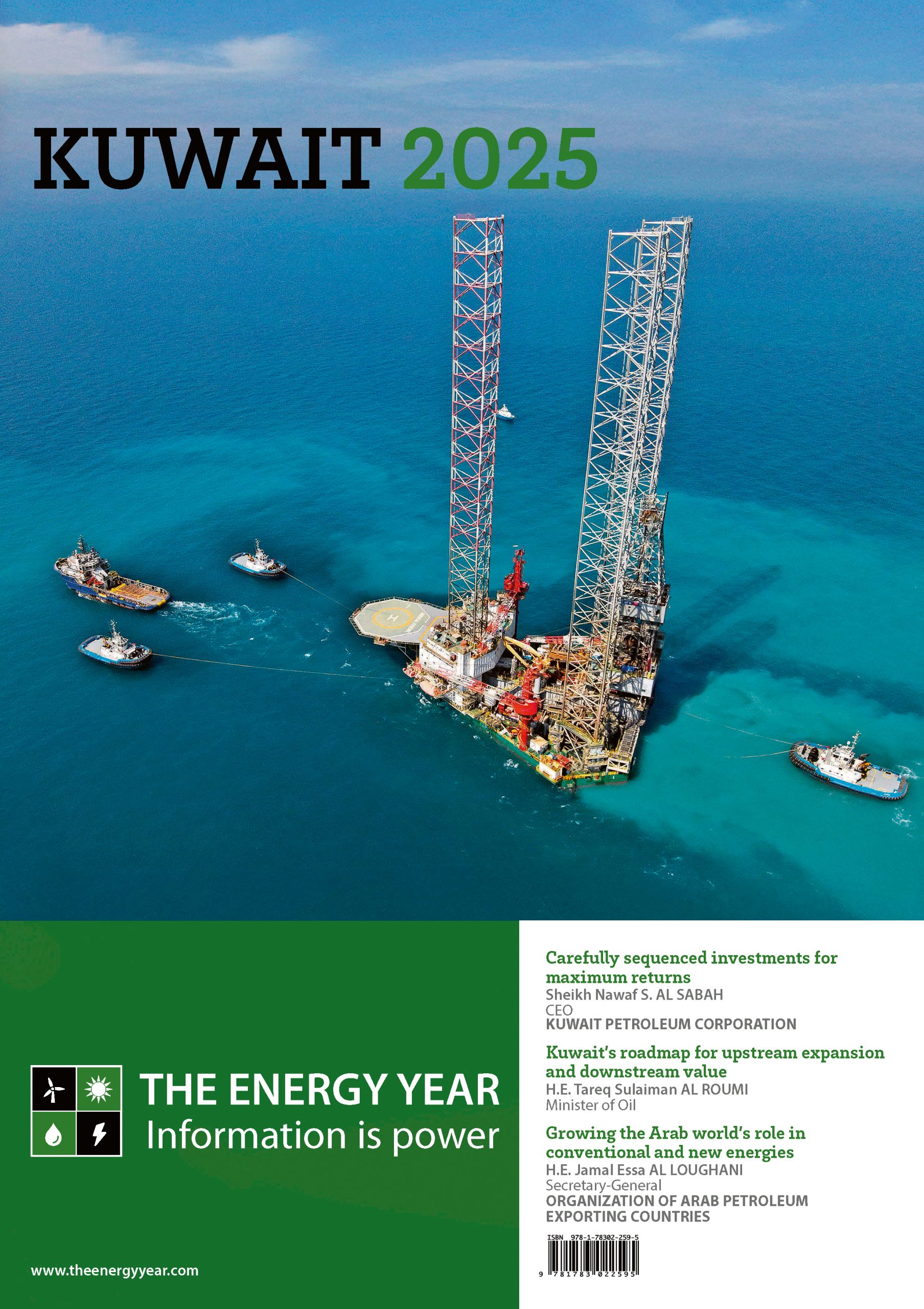
The Energy Year Kuwait 2025
The Energy Year Angola 2025
The Energy Year Nigeria 2025
The Energy Year Saudi Arabia 2025
The Energy Year UAE 2025