NEWS
Angola - May 24, 2022
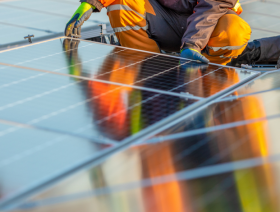
A joint venture between Eni and NOC Sonangol has begun construction of Angola’s first photovoltaic power plant in Caraculo, Angola, the Italian super-major announced…
READ MORE

Michele POGGI
Managing Director
SAIPEM MOZAMBIQUE
2024 revenue:EUR 14.5 billion
End-2024 order backlog:EUR 34 billion
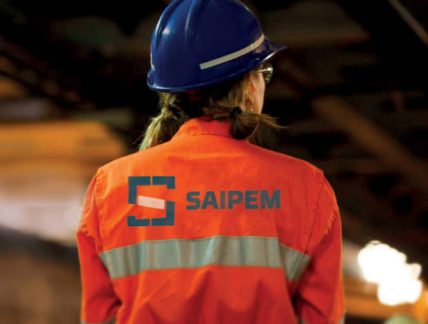
Headquartered in Milan, Saipem is a global leader in engineering, procurement, construction and installation (EPCI) services for the energy and infrastructure sectors. With operations in over 60 countries, the company delivers complex offshore and onshore projects, asset-based solutions and drilling services across upstream, midstream and increasingly renewable markets.
Saipem operates through four principal business units: Offshore Engineering & Construction, Onshore Engineering & Construction, Offshore Drilling and Asset-Based Services. Its project expertise spans subsea pipelines, FPSOs, LNG terminals, refineries and large-scale renewable infrastructure. Saipem has been instrumental in the execution of key offshore wind developments such as the Dogger Bank Wind Farm in the UK and Norway’s Hywind Tampen, establishing its capabilities in floating wind technology.
In support of its 2022–2025 strategic plan, Saipem has committed to operational efficiency, digital innovation and environmental stewardship. The company is advancing its low-carbon portfolio with investments in C)2 capture, blue and green hydrogen, and offshore electrification. It also collaborates with governments and national oil companies to develop sustainable infrastructure in emerging markets, including Mozambique, Angola and Saudi Arabia.
In 2024, Saipem posted revenues of EUR 14.6 billion and a net income of EUR 306 million, reversing several years of financial strain through stronger backlog execution and contract discipline. The company continues to focus on margin improvement, project selectivity and technological partnerships to maintain competitive advantage.
Looking ahead, under its 2025–2028 business plan, Saipem is targeting EUR 52.4 billion in new order intake, with a substantial portion allocated to decarbonisation and energy transition initiatives. Its global fleet — including ultra-deepwater drilling rigs, pipelay vessels and floating fabrication units — remains one of the most technically advanced in the sector, supporting both brownfield optimisation and greenfield development.
Through its integrated project delivery model and emphasis on local content, Saipem is not only a contractor but also a long-term industrial partner to energy-producing nations. The company’s evolving portfolio reflects a clear pivot toward sustainable growth, positioning it as a strategic enabler in the global shift to low-carbon energy systems.

François Bacci of Ponticelli Angola talks about leveraging the group’s downstream and renewables capabilities to capture…
READ MORE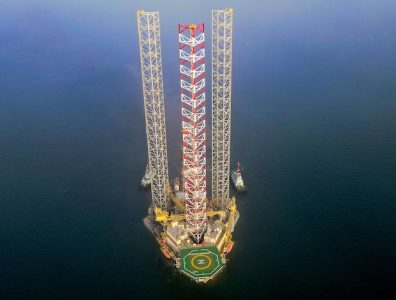
ADES Holding has acquired five premium jackup rigs from Saipem for USD 285 million to expand its regional fleet and backlog.
READ MORE

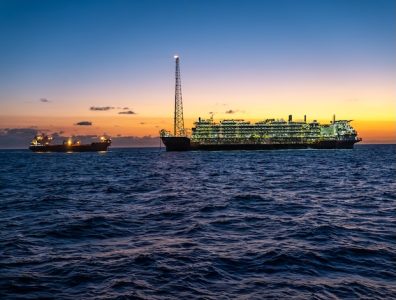
Azule Energy has kicked off the Greater PAJ development offshore Angola following a positive FID, with first oil expected in 2029.
READ MORE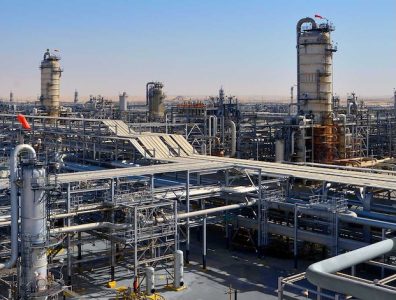
Saipem has secured an EPC contract to build a new compression system for the Uthmaniyah Gas Compression Plant in Saudi Arabia.
READ MORE
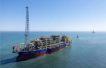
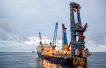
A joint venture between Eni and NOC Sonangol has begun construction of Angola’s first photovoltaic power plant in Caraculo, Angola, the Italian super-major announced…
READ MORE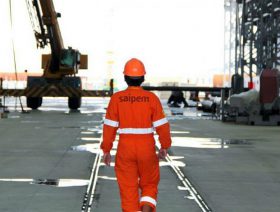
Saipem has signed two contracts for jackup rigs in the Middle East and West Africa, the Italian oilfield services and technology provider announced today.
Under the…
READ MORE
Saipem has signed a USD 325-million contract with Norwegian E&P company Aker BP for use of its rig on a drilling campaign offshore Norway, the Italian oilfield services…
READ MORE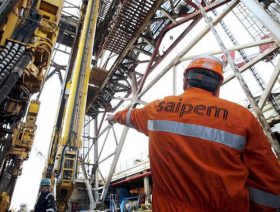
Saipem has signed two agreements worth USD 1.1 billion for offshore works in Guyana and Australia, the Italian oilfield services company announced on Tuesday.
The…
READ MORE
Saipem has signed an EPCI contract with Petrobras for its offshore Buzios 7 project in Brazil, the Italian technology and engineering services company announced on…
READ MORE
Saipem has signed contracts worth USD 600 million for offshore transportation and installation works in Australia and Turkey, the Italian contractor announced today.
…
Saipem and TechnipFMC have entered into a global commercial agreement to identify subsea umbilicals, risers and flowlines (SURF) projects that could be jointly executed…
READ MORE
Abu Dhabi National Oil Company has signed concept and FEED contracts to the amount of USD 204.4 million with 15 international engineering companies, the state-owned oil…
READ MORE
Nigeria’s refining sector is being revamped to meet increased demand and curtail the large amounts the country spends on importing refined products. To do this, the…
READ MORE