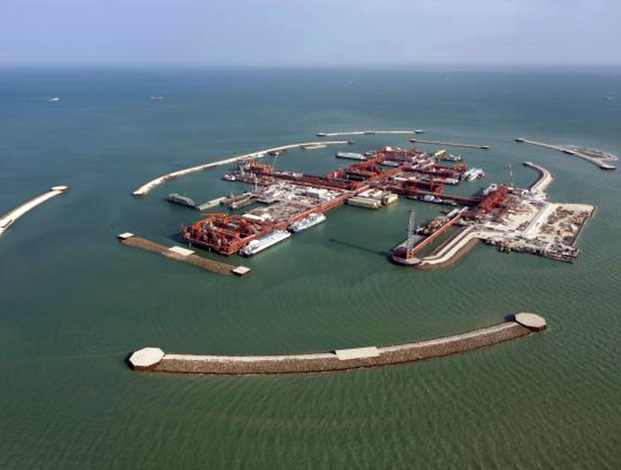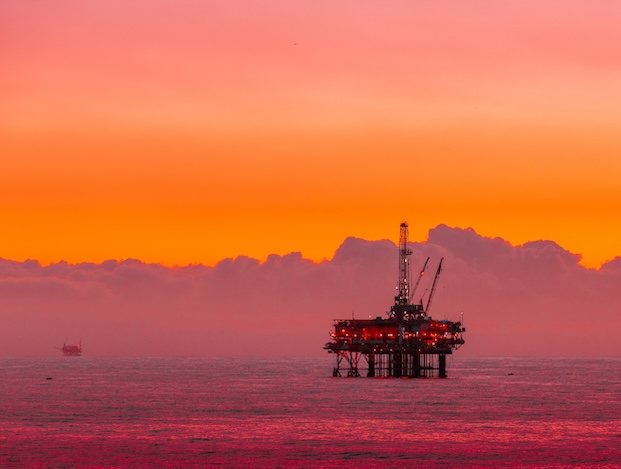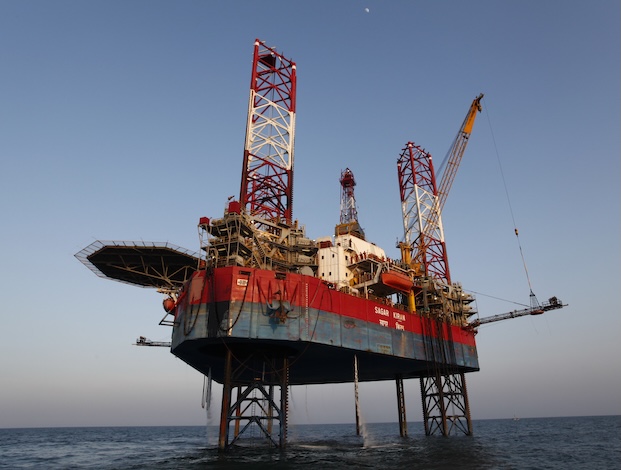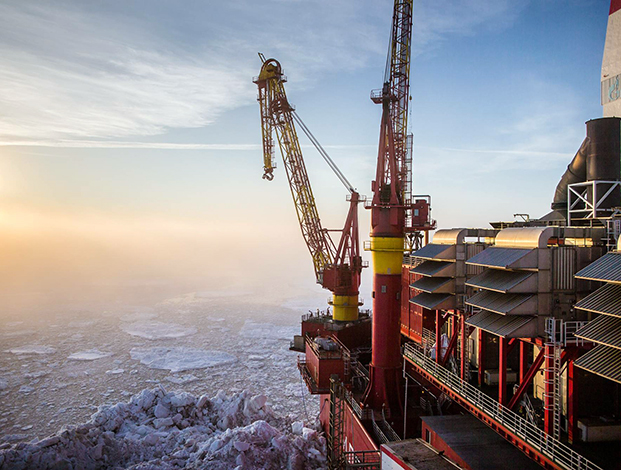

Malaysia is one of Southeast Asia’s largest hydrocarbons producers and ranks among the world’s leading LNG exporters. In recent years, new technologies have opened opportunities in more technically demanding offshore plays across the country’s main producing basins, and the government has long prioritised the development of maturing and marginal fields alongside continued exploration to address declining output.
The sector is led by Petronas, which holds exclusive ownership rights to all E&P activities. The Petroleum Management Unit acts as the upstream regulator, awarding and overseeing production sharing licences. Malaysia has also attracted international upstream players, including ExxonMobil, Shell, ConocoPhillips, Repsol and JX Nippon Oil & Gas.
Malaysia is one of the world’s major gas producers and exporters. Petronas dominates gas production, while Shell is a significant producer alongside ExxonMobil, Thailand’s PTTEP and Indonesia’s Pertamina. Domestically produced gas is consumed mainly by the industrial sector and power generation, which together account for nearly all demand.
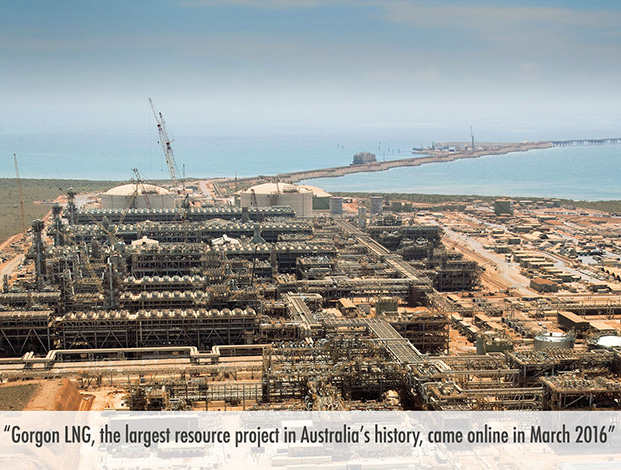
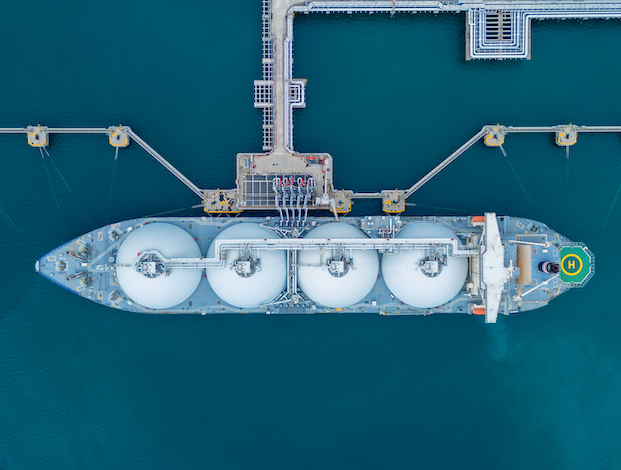
Malaysia has an extensive gas pipeline system. LNG exports come primarily from the country’s liquefaction facilities, while regasification terminals support imports and domestic supply balancing. Most LNG exports go to the Asia-Pacific region, with Japan and China among the main buyers, and Malaysia also supplies Singapore through pipeline-linked infrastructure.
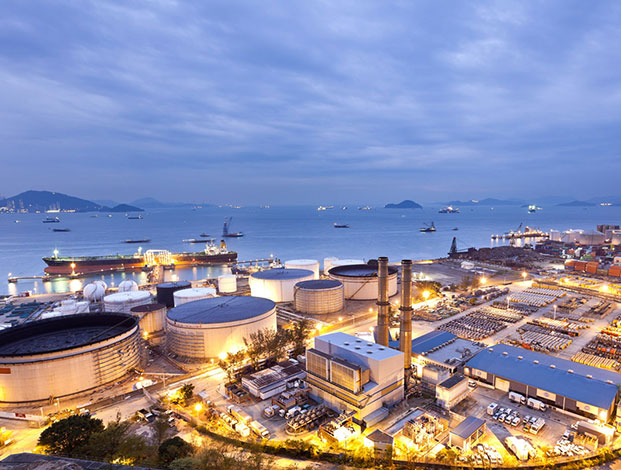
Malaysia’s oil pipeline network is limited, and crude and products are transported mainly by tankers and road. The country has launched projects to expand oil storage capacity, positioning itself as a regional alternative amid storage constraints in Southeast Asia, particularly Singapore. Continued investment in refining has enabled Malaysia to generally meet domestic demand, and the country is now looking to expand refining capacity further to serve regional markets and strengthen export potential.
Malaysia has set ambitious renewables targets under its National Energy Transition Roadmap, aiming for 31% renewable capacity by 2025 and 40% by 2035. The country is also targeting 70% renewable capacity by 2050, supported by large-scale solar programmes and wider power sector reforms.