

The state of Colombia’s extractive sectors
November 13, 2024 Colombia


Luis Miguel Lopez, energy partner at EY Colombia, talks to The Energy Year about the current state of Colombia’s energy sector, how the country can meet its decarbonisation goals and the current status of its mining sector. EY is a multinational professional firm powered by data and technology.
How do you view the current state of Colombia’s energy sector, particularly regarding oil and gas reserves?
Colombia’s energy sector is at a pivotal moment, facing significant challenges but also presenting notable opportunities. The country’s oil and gas reserves are a particular concern, with the reserves-to-production ratio for these resources having fallen to 6.1 years for gas and 7.1 years for oil. This has contributed to the decrease in the country’s energy security rating over the last seven years, as evaluated by the World Energy Trilemma Index.
In gas, there is substantial potential for reserves growth through the development of offshore gas reservoirs, which can increase current reserves by more than three times. These promising prospects are located mainly in the Caribbean region and have yielded several successful exploratory wells, which have been announced in the past two years (Sirius, Gorgon-2 ST2 and Glaucus-1).
Through this process, the Caribbean city of Barranquilla is positioning itself as Colombia’s offshore hub.
To capitalise on this potential, Colombia needs to address several key areas. It needs to refine its regulatory frameworks, develop adequate transport infrastructure, establish clear pricing structures and streamline licensing processes for new projects.
In the short term, however, Colombia is facing a growing supply-demand gap and will need to increase its reliance on gas imports, up from the circa 11% of domestic consumption supplied from LNG imports in 2023. This will require scaling new sources of supply and expanding transportation infrastructure. There are several alternatives under discussion.
The first is to import gas from Venezuela, gas from the Permian Basin and LPG arriving via the Caribbean (Cartagena and La Guajira) and the Pacific (Buenaventura) coasts. This implies developing new commercial routes and investing in regasification infrastructure.
The second is to expand the national gas pipeline network though different connexions, such as the connexion of the VIM [Lower Magdalena Valley] to interior connections in Magdalena Medio, the connexion of Bogota to SNT [National Transport System] Magdalena Medio, the connexion of Cucuta to SNT Magdalena Medio, the connexion of Buenaventura to SNT Yumbo, the connexion of Cartagena to SNT and the connexion of La Guajira to SNT in the Permian.
How can Colombia meet its decarbonisation goals for the following years?
The country has set ambitious decarbonisation targets: A 50% emissions reduction by 2030 and net-zero emissions by 2050. Colombia has a unique carbon emissions profile, where around 60% of emissions come from land use and land-use changes, primarily deforestation and agriculture, with the remaining 40% coming from the way energy is generated and consumed. Therefore, Colombia’s decarbonisation strategy should focus on three main areas.
The first is “cost beneficial” electrification, which includes all the economically positive abatement opportunities, through technologies and levers that are “in the money” now (or will increasingly get there by 2050 through technology evolution). This includes areas such as energy efficiency, electric or hydrogen-based mobility, residential electrification and the increased use of public transport.
To power its electrification journey, Colombia will have no shortage of renewable resources (given abundant wind and solar potential), although a higher pace of project development will be required.
The second is leveraging Colombia’s natural capital to its full potential, which is significant. The country possesses about 3% of the global CO2 sequestration potential from nature-based solutions in its forests. Halting deforestation and accelerating reforestation efforts across millions of hectares would significantly contribute to domestic and global climate goals, with added biodiversity and social benefits for rural communities.
Lastly, there will be a minor share of future emissions with no economical abatement solution by 2050 (under current technology perspectives). Abating these emissions will be possible but costly. The adoption of the required abatement and sequestration technologies will depend on the regulatory framework and long-term carbon price evolution.
Executing this strategy – through a well-orchestrated roadmap that protects energy security, equity and the significant socioeconomic contribution of the existing hydrocarbon industries along the journey – is a significant challenge. Among multiple requirements, an attractive and stable private investment framework will be required.
What is the current status of the mining sector in Colombia, and what is its role in the country’s energy transition strategy?
Colombia is a relevant coal and gold producer, and mining is an important sector in Colombia’s economy, accounting for 1.1% of GDP and 24.3% of exports during the first semester of 2024. In some of the mining regions, the dependence on this sector is much higher, as it accounts for more than 40% of regional GDP in some areas. This is an industry with significant growth potential, but it is facing multiple headwinds today.
There is significant untapped geological potential. The country sits in a geological corridor that is known to host vast mineral deposits in neighbouring countries. Colombia could further develop its mining industry, elevating its relevance as a precious and base metals producer, including copper.
However, Colombia has experienced a significant deterioration in its mining investment attractiveness index in recent years. In the latest report from the Fraser Institute, Colombia ranked 71st out of 86 evaluated jurisdictions, with a score of 36.9, down from 70 two years ago.
The mining sector is currently navigating concerns around proposed policy and regulatory changes, such as tax increases and resource nationalisation initiatives. The constitutional court recently declared Article 19 of Law 2277 of 2022 unconstitutional. This provision aimed to prevent royalty deductions for income tax purposes. The ruling is of critical importance for the future tax framework of the oil and mining sectors in Colombia.
We believe that developing an environmentally sustainable and socially beneficial mining industry is possible. It can be a growth engine for the country and a relevant contributor to its energy transition journey.
A closer dialogue between the public and private sectors is needed to define the country’s roadmap in this regard, and this roadmap should be well informed by technical criteria and international lessons from other jurisdictions.
How is EY helping energy companies navigate the complex Colombian regulatory landscape?
We offer a very complete range of services to Colombia’s energy and mining industries, as they navigate the current context.
Our consulting teams are supporting industry players on their energy diversification strategies; performance and cost-optimisation agendas (largely leveraging the growing value-creating opportunities from AI adoption); sustainability efforts; and capital allocation and execution challenges.
Our tax teams are playing a critical role in helping local and international clients navigate the complex tax framework in the country, which has significantly evolved for the energy industry in recent years through multiple reforms (such as Law 2277 of 2022 and Law 2099 of 2021).
Our transactions teams support clients on their inorganic growth agenda through end-to-end M&A services (including buy-and-sell-side due diligence, valuation and strategic advisory). Lastly, our assurance services provide market confidence, as we are auditors of several energy players.
Our distinctiveness lies in the integration of our deep local knowledge, technical expertise and global scale, which enable us to deliver comprehensive solutions. As a team of around 2,000 professionals in Colombia, and almost 400,000 globally, we’ve grown significantly over the past decade and will continue on this path going forward.
How important is the concept of sustainability becoming among your clients?
It is a top priority. In our yearly analysis of the “Top 10 global risks and opportunities in Mining & Metals,” which integrates insights from over 400 mining executives globally, sustainability has ranked first for three consecutive years.
The breadth of material environmental and social topics that the industry manages grows every year and so does the scrutiny and expectations of multiple stakeholders (communities, investors and regulators) around how players manage them.
Beyond risk management and compliance challenges to protect social license, this context presents significant value-creation opportunities on multiple fronts, such as economic decarbonisation, diversification into less carbon-intensive products, circularity and biodiversity.
Our Sustainability practice is uniquely positioned to help players navigate these risks and capitalise on these opportunities.
Read our latest insights on:
-

-

-

O&M leadership in mining and energy
INTERVIEW
More content from Colombia



Latest Reports


The Energy Year Oman 2026
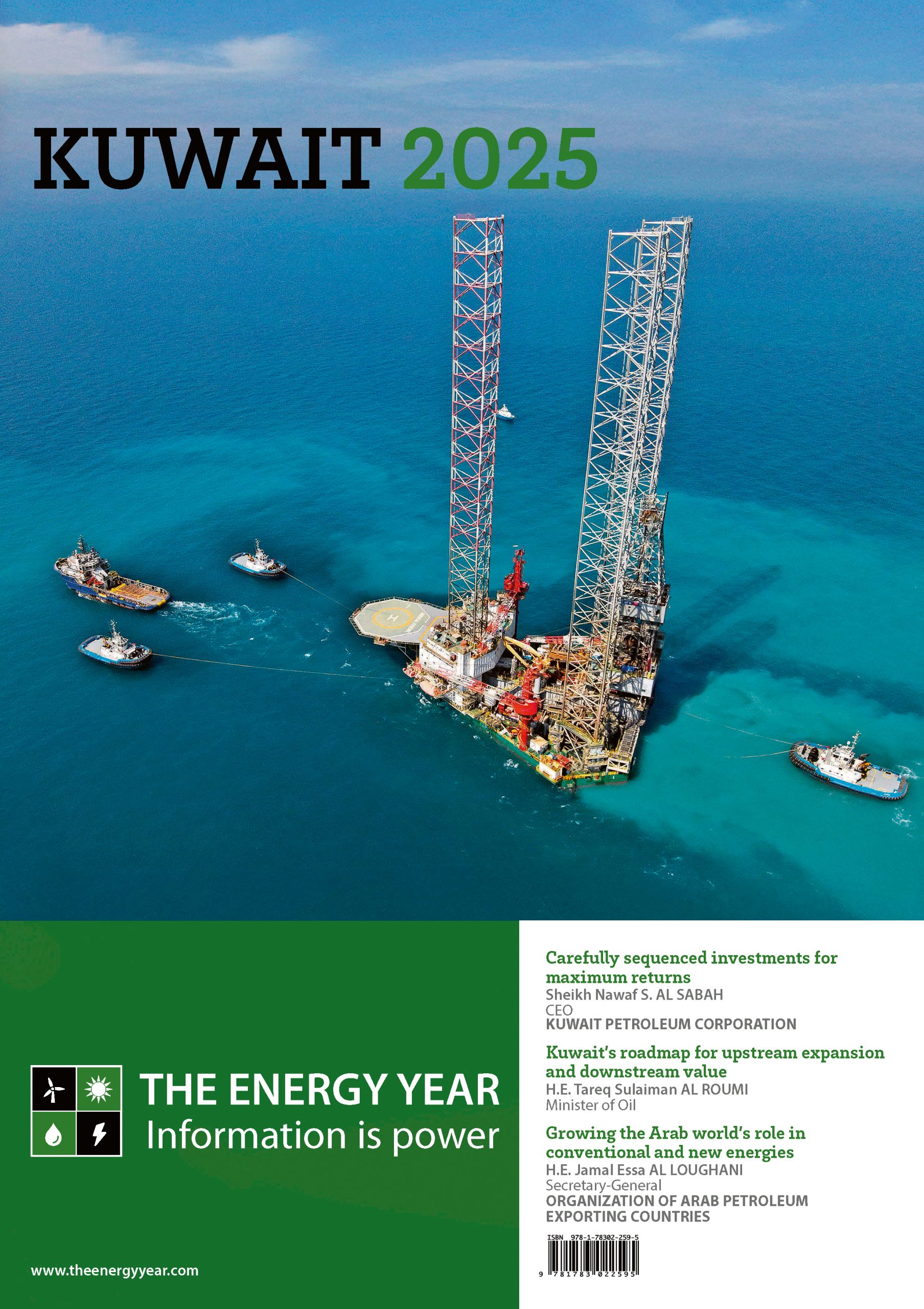
The Energy Year Kuwait 2025
The Energy Year Angola 2025
The Energy Year Nigeria 2025
The Energy Year Saudi Arabia 2025

The Energy Year UAE 2025