

Working to realise renewables projects in Colombia
February 4, 2025 Colombia


Alexandra Hernandez, director of the Colombian Renewable Energy Association, talks to The Energy Year about the state of renewable energy in Colombia. The Colombian Renewable Energy Association brings together more than 90 companies which are committed to the implementation and development of non-conventional renewable energies in Colombia.
What is the state of renewable energy in Colombia, and what opportunities are emerging in the sector?
Colombia is facing an energy crisis, but renewables offer significant opportunities for diversification and growth. The country needs to increase its energy supply to meet growing demand, which is rising twice as fast as supply. Renewables can complement existing energy sources, contributing to a diverse energy matrix that can meet the needs of Colombia’s growing population and developing economy.
Renewable energy presents several key advantages. It contributes to Colombia’s emissions reduction targets; offers competitive pricing with lower costs, thus improving the country’s economic competitiveness; and helps provide energy access to remote regions where traditional grid infrastructure is not feasible and currently is unable to reach about 1.5 million citizens.
As of June 2024, there were around 1.8 GW of installed capacity in medium- and large-scale renewable energy projects, with 1.2 GW already in commercial operation. This represents a significant jump, now accounting for about 9% of all electricity generation in Colombia.
A few more megawatts were added in the second half of 2024, and we have 44 more projects under development, which are expected to start construction by early 2025. That could double the 2 GW we have today.
Additionally, there are around 450 MW in distributed generation and self-generation projects, with over 8,800 small-scale projects implemented. This decentralised approach can reduce energy losses in the system and provide immediate cost reductions for users. The sector sees potential for further growth, potentially increasing the contribution of these smaller projects to 35% of what is delivered to the wholesale energy market.
What are the main challenges when it comes to the implementation of renewable energy projects?
The development timeline for larger renewable energy projects in Colombia is one of the main pain points we encounter, as the process can last from three to six years. Within this time, actual construction usually takes about one year, while 70% of the time is spent on permit processing. This lengthy process is one of the main challenges facing renewable energy development in Colombia, with over 50 permits required before construction can begin.
Social acceptance and environmental licensing, particularly for wind projects in La Guajira, have been significant hurdles. The process of prior consultation with indigenous communities, especially the Wayuu in La Guajira, has led to delays and complications.
The development of transmission infrastructure is another crucial challenge. For instance, the Colectora line, which is meant to connect wind projects in La Guajira to the national grid, has faced delays. Many wind projects are conditional on the completion of this line, as it makes little sense to build a park that cannot be connected to the national system.
These challenges have unfortunately led to some project cancellations. Out of the initially mapped 17 wind projects in La Guajira, around 10 remain committed. Some have withdrawn, and a handful are seriously considering not continuing. This sends a concerning message to potential investors and highlights the need for more streamlined processes.
How do renewable energy projects access financing mechanisms in the country?
Renewable energy projects in Colombia have relied on balance sheet financing, which requires long-term power purchase agreements to assure income and secure bank disbursements. However, new financing mechanisms are emerging as the sector grows and evolves.
Some projects are experimenting with bond issues, complementing traditional financing methods. There’s also growing interest in creating financing platforms that allow individual investors to participate in project financing with minimum shares, potentially democratising investment in renewable energy.
Banks are increasingly seeing renewables as an opportunity for various financing structures beyond traditional balance sheet financing. Leasing arrangements are becoming more common, with banks acquiring equipment to lease it to project developers. This approach can offer advantages over traditional financing methods.
Other alternative financing methods being explored include green carbon bonds, although these are developing more slowly. The sector sees potential in developing securitisation further in Colombia, both for large projects and smaller ones, as a way to access capital.
These evolving financing mechanisms reflect the maturing of the renewable energy sector in Colombia and the increasing recognition of its potential by financial institutions. As the sector continues to grow, it’s likely that even more innovative financing solutions will emerge to support project development.
Read our latest insights on:
-
-

-

O&M leadership in mining and energy
INTERVIEW
More content from Colombia



Latest Reports


The Energy Year Oman 2026
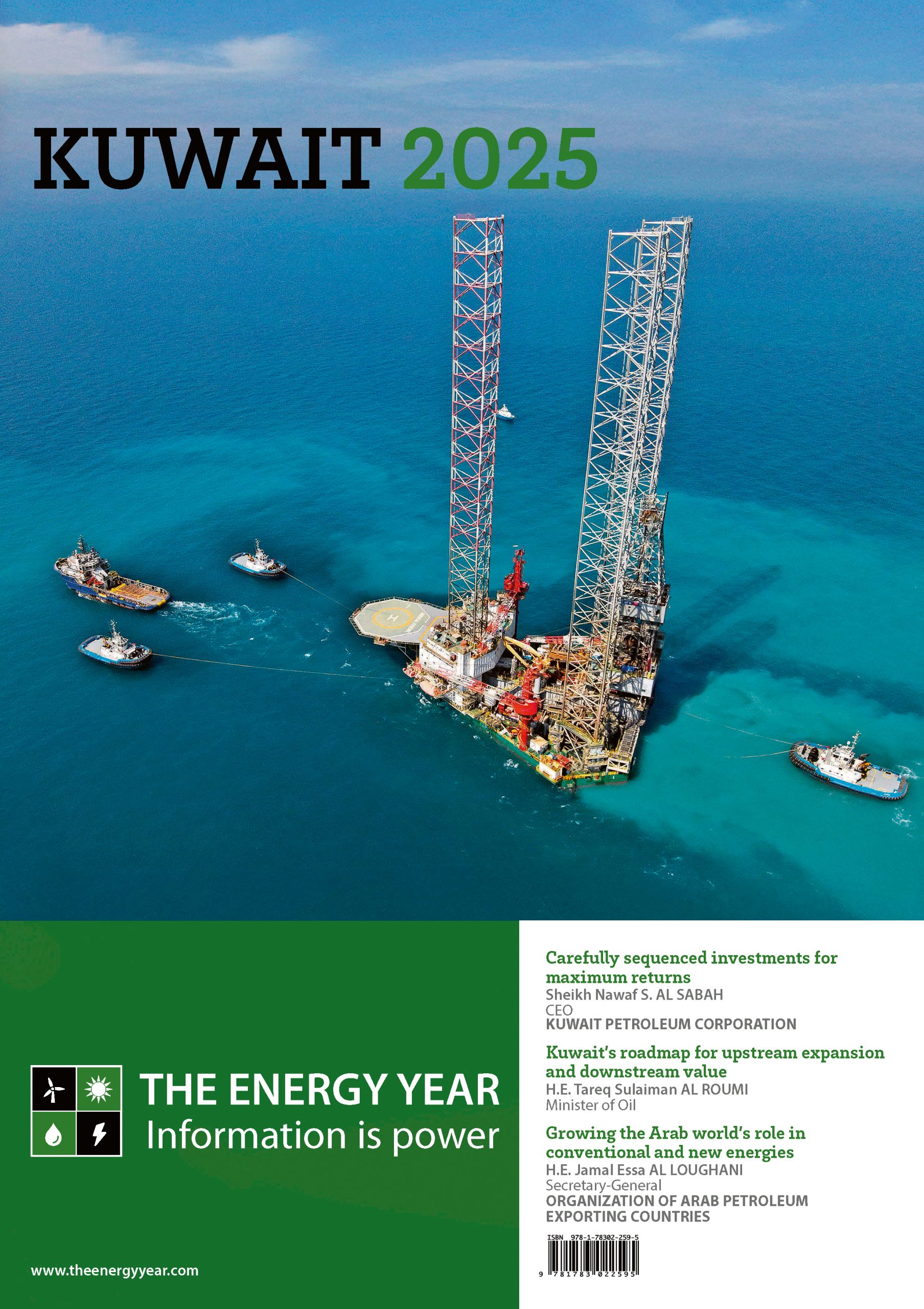
The Energy Year Kuwait 2025
The Energy Year Angola 2025
The Energy Year Nigeria 2025
The Energy Year Saudi Arabia 2025
The Energy Year UAE 2025