Ghana’s oil and gas sector rose into significance upon the discovery of massive deposits in its offshore Jubilee field, which began production in 2010. Since then, satellite discoveries have been made in the country’s five sedimentary basins, significantly increasing its importance among the continent’s oil and gas producers. However, Ghana remains less reliant on its hydrocarbons production than its sub-Saharan African neighbours such as Nigeria, Angola and Gabon, with gold as its largest export and its services sector representing around half of national GDP.
The hydrocarbons sector is supervised by the Petroleum Commission, which oversees upstream bid rounds and enforces state guidelines surrounding oil and gas production. The sector is dominated by state-run Ghana National Petroleum Corporation, created in 1983 to champion activities in the upstream sector. International E&P companies have joined the country in developing its upstream assets, including Tullow Oil, ExxonMobil and Aker Energy. The market is seen as attractive due to low lifting prices and a stable political environment.
The government set up the privately run Ghana Gas Company in 2011 to build, own and operate infrastructure required for gathering, processing, transporting and marketing the nation’s gas resources. The company has actively developed Ghana’s successful downstream sector, which now looks to supply gas to rural areas, lower the use of diesel and heavy fuel oils in power generation and electrify the entire country. Ghana aims to become a gas trading hub for West Africa through its LNG terminal in Tenma and related infrastructure but is met with stiff competition from the region.
Ghana’s power sector is steadily expanding, driven by a strong mix of thermal, hydro, and growing renewable energy sources. Natural gas remains the main fuel for electricity generation, supported by both local production and imports, while hydropower continues to anchor the system. Renewable energy, particularly solar, is gaining ground through new public and private projects under the government’s Energy Transition Framework. With rising investment and broader grid coverage, Ghana is advancing toward near-universal electrification and a cleaner energy mix. Although power reliability challenges persist, increased gas use and diversification are strengthening the country’s long-term energy security.
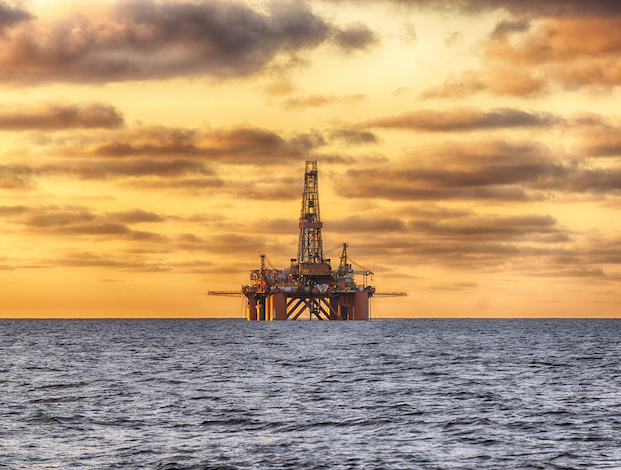
Gabon’s oil and gas sector is older than the country itself. Oil was first discovered near Libreville in 1931 when the country was still a French colony. During the 1960s Gabon saw a flurry of exploration and production activity, which led to a dramatic increase in production. In 1996, the country saw record production of 365,000 bopd. However, maturing fields and lack of major new finds has led to a significant decrease in output. Nevertheless, Gabon remains in the top 10 oil producers in sub-Saharan Africa and is a member of OPEC.
The sector is overseen by the Ministry of Petroleum and Hydrocarbons, which runs its upstream bid rounds and enforces state policies. IOCs – including TotalEnergies, Petronas, Perenco and Vaalco Energy – have been particularly active in offshore E&P activities. In 2011, the country created an NOC, Gabon Oil Company (GOC), to increase state participation in equity stakes, production earnings and downstream activities. Today, GOC has evolved into a national upstream leader, acquiring major assets from Tullow Oil and Assala Energy to boost output to around 50,000 bopd and gain key infrastructure. Focused on self-financing, efficiency, and international standards, the company combines near-term production gains with long-term exploration.
Gabon’s government is seeking to attract new investment in oil and gas exploration to help stabilise the economy. The sector, vital to the country’s fiscal health, currently accounts for around one-third of GDP but contributes around 75% of export earnings. Gabon’s deep offshore region has geological formations reminiscent of Brazil’s successful deepwater pre-salt plays. The government harbours hopes of sparking a similar pre-salt boom in Gabon.
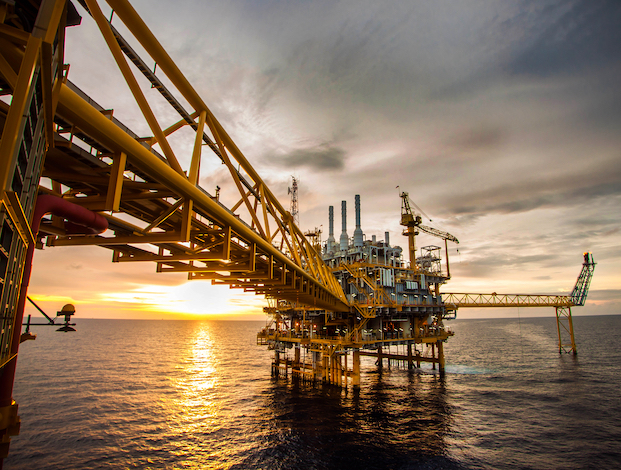
Equatorial Guinea’s oil and gas industry gained rapid importance after major discoveries were made in 1996. Since then, hydrocarbons development has accelerated and it continues to underpin the economy, accounting for a large share of GDP and export revenues. Despite a land area of just 28,000 square kilometres, the country holds sizeable oil and gas reserves for its size, a resource base that supported its accession to OPEC in 2017. Exploration and production activities are overseen by the Ministry of Mines and Hydrocarbons, which awards production sharing contracts and regulates sector activity.
Most of Equatorial Guinea’s oil output and export revenues have historically come from the offshore Zafiro complex, which was operated by ExxonMobil until the block’s operatorship transferred to the national oil company GEPetrol in 2024. Production from Zafiro began in 1996 and has relied on floating production systems that have been redeployed and reconfigured over the field’s life. With national output and reserves in decline, sustaining production will require continued investment in redevelopment, infill drilling and new exploration.
Alongside efforts to slow upstream decline, Equatorial Guinea is positioning gas as the cornerstone of its next phase of energy development. The government is seeking foreign investment to turn the country into a regional gas processing and trading hub, leveraging existing LNG and onshore infrastructure while exploring opportunities to monetise stranded gas resources across neighbouring basins. Its Gas Mega Hub initiative centres on expanding processing capacity at Punta Europa and developing additional hubs and tie-backs that could unlock gas from fields near the country’s maritime borders, including through cooperation with regional producers.
Although Equatorial Guinea has made repeated efforts to diversify the economy beyond hydrocarbons, commercialisation challenges, financing constraints and the need to sustain investor confidence remain key hurdles as the country navigates declining legacy production and a shifting regional gas landscape.