
Ethiopia
Namibia
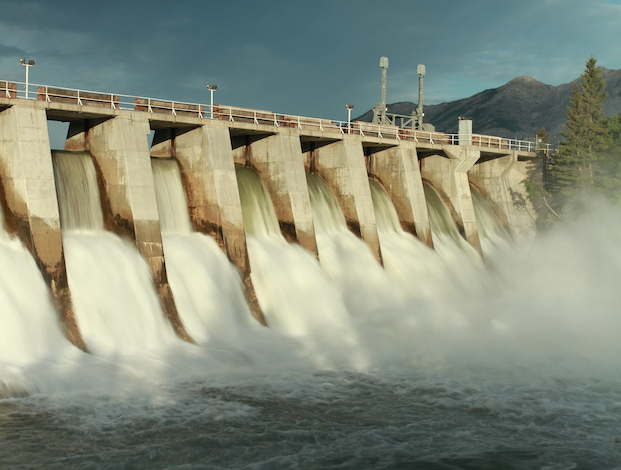
Namibia’s electricity generation mix is dominated by hydropower. Its chief asset is the 347-MW Ruacana hydropower plant, and a second plant, the Baynes Hydropower Project on the Kunene River, is under evaluation.
A majority of the country’s electricity supply is imported from neighbouring South Africa. In order to improve self-sufficiency, the government in recent years has taken steps to make the power generation sector more attractive for independent producers, including the horizontal integration of over 70 players into five regional distribution companies.
As of end-2024, Namibia’s installed solar PV capacity stood at 239 MW.
Namibia’s oil and gas sector is attracting worldwide attention following discoveries in the offshore Orange Basin in 2022 and 2023. The basin is estimated to hold 11 billion barrels of light oil and 62.3 bcm (2.2 tcf) of natural gas. Global heavyweights such as TotalEnergies, Chevron, Shell and ExxonMobil are present in the country.
The country’s national integrated oil and gas company is NAMCOR, whose mission is to attract investment by providing world-class data and value for stakeholders. In 2024, the US International Trade Administration projected that Namibia’s hydrocarbons developments could double its GDP by 2040.
Policymakers in Namibia have expressed an interest in developing nuclear power generation. The country’s uranium reserves rank among the world’s top 10.
Cameroon
Kenya
São Tomé and Príncipe
South Africa

Uganda
Uganda’s oil and gas industry is attempting to quickly build up its infrastructure to take advantage of opportunities found in recent hydrocarbons discoveries before the world transitions away from fossil fuels towards more sustainable energy sources. Since oil was first discovered in 2006, the government has put comprehensive measures in place to ensure the efficient and value-added development of the nation’s petroleum resources, most of which are found alongside its western border with the Democratic Republic of the Congo. More than 20% of Uganda’s impressive oil and gas reserves are thought to be recoverable.
Uganda’s petroleum industry is regulated by the Petroleum Authority of Uganda in tandem with the state-run Uganda National Oil Company, which heads its upstream operations. The Ministry of Energy and Mineral Development is the government entity responsible for developing and managing the nation’s energy resources. The country has successfully attracted international players such as TotalEnergies and China National Offshore Oil Corporation in developing the country’s upstream, midstream and downstream potential.
While being East Africa’s third-largest economy, more than 60% of Ugandan citizens lack adequate energy supply. Greenfield investments in the upstream industry have the potential to halt the country’s reliance on energy imports and add to its economic development through exports to the region. The country has significant renewable energy potential, including hydropower, biomass, solar, geothermal, wind and peat. Uganda National Renewable Energy Efficiency Alliance cites the country’s overall renewable energy potential as 5.3 GW.
“The energy industry is crucial, especially because of associated industries like infrastructure, processing and fabrication. Activity will not happen if there is no electricity. Electricity and other forms of energy are essential,” Ugandan President Yoweri Kaguta Museveni told the Energy Year. “Oil is finite and exhaustible, so we should use the oil money to create durable capacity. This capacity will be for modernising our railways, our energy and our transportation. That will attract the business that needs this infrastructure, especially manufacturing.”